ESP32 CYD Aquarium
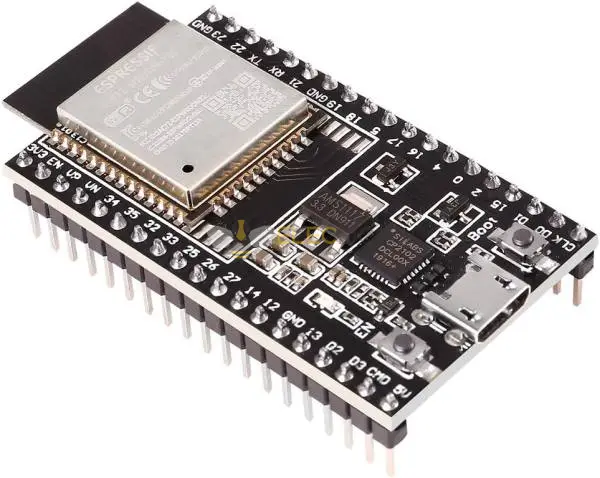
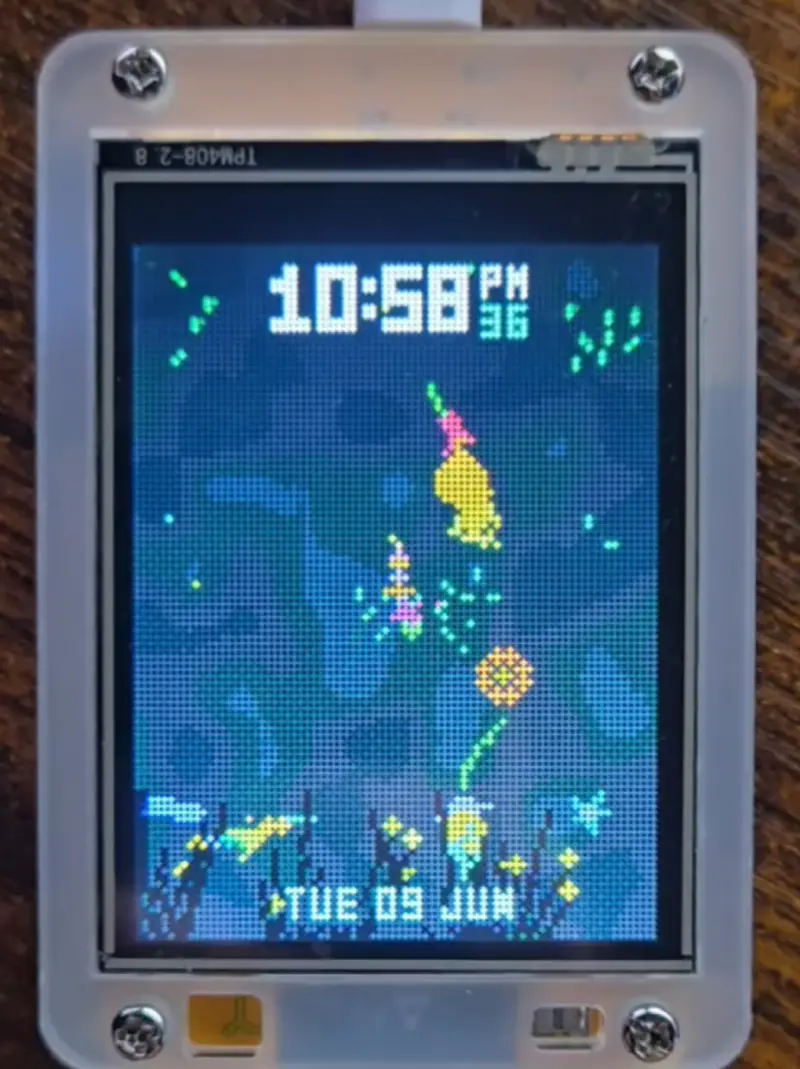
An autonomous virtual aquarium firmware designed for the ESP32-2432S028R 'Cheap Yellow Display'. It features a stylized dot-grid renderer, simulated aquatic life, and automatic backlight adjustment using onboard sensors.
194 projects using littlefs
littlefs is a fail-safe filesystem specifically designed for microcontrollers with limited resources, featuring power-loss resilience and dynamic wear leveling. It employs a unique two-layer architecture combining metadata logs and copy-on-write structures to ensure data integrity and minimize flash wear while maintaining a strictly bounded memory footprint.
An autonomous virtual aquarium firmware designed for the ESP32-2432S028R 'Cheap Yellow Display'. It features a stylized dot-grid renderer, simulated aquatic life, and automatic backlight adjustment using onboard sensors.
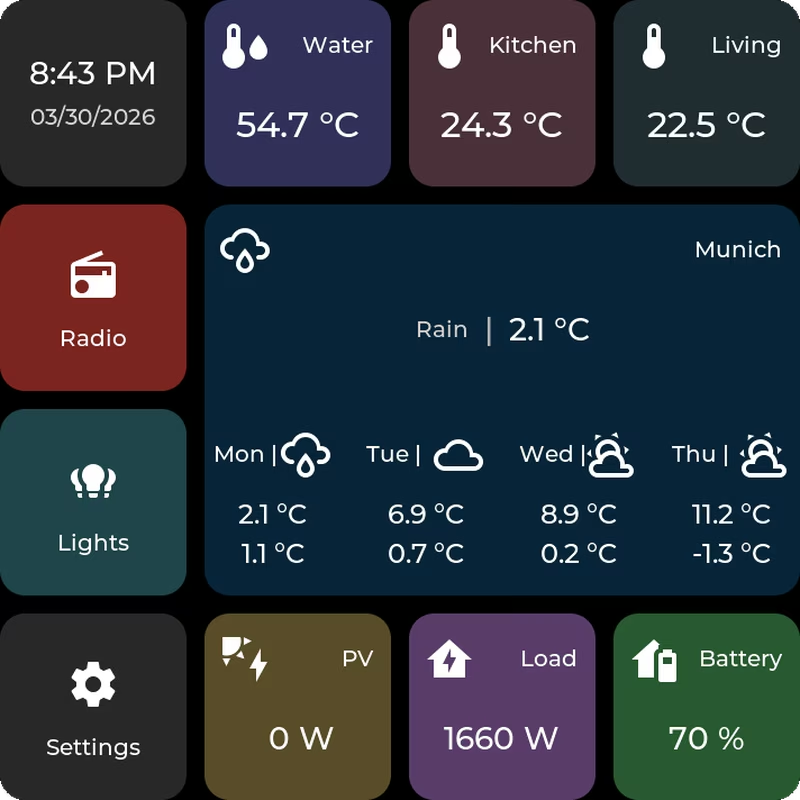
HomeTiles is a tile-based firmware for ESP32-P4 touch displays designed to function as a highly configurable Home Assistant dashboard. It utilizes LVGL for its touch-first UI and FreeRTOS for task management, providing features like MQTT integration, web-based drag-and-drop configuration, and on-device OTA updates. The project targets high-performance hardware including the M5Stack Tab5 and various Waveshare MIPI-DSI displays.
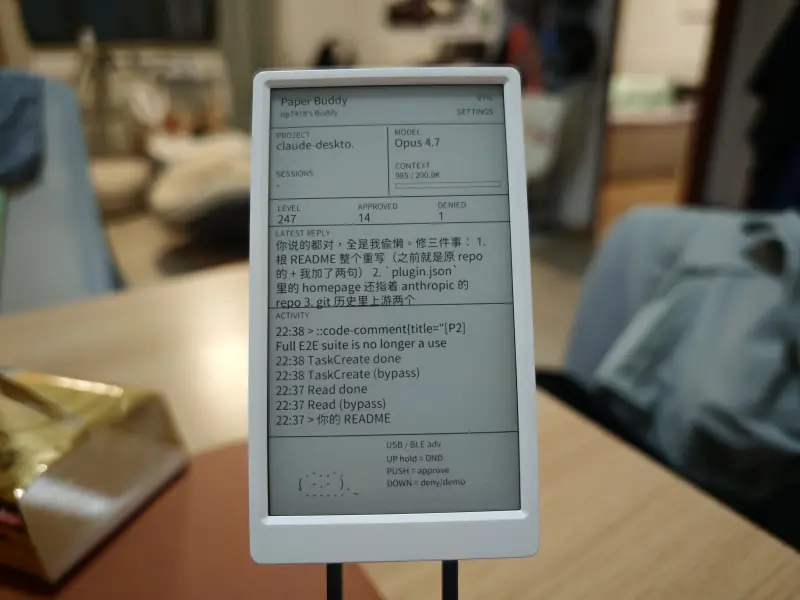
A secondary e-ink desk display designed for AI Agents like Claude Code and Codex, utilizing the M5Paper V1.1 hardware. The project features a Python-based daemon for server-side rendering and an ESP32 firmware that supports Wi-Fi, BLE, and USB communication.
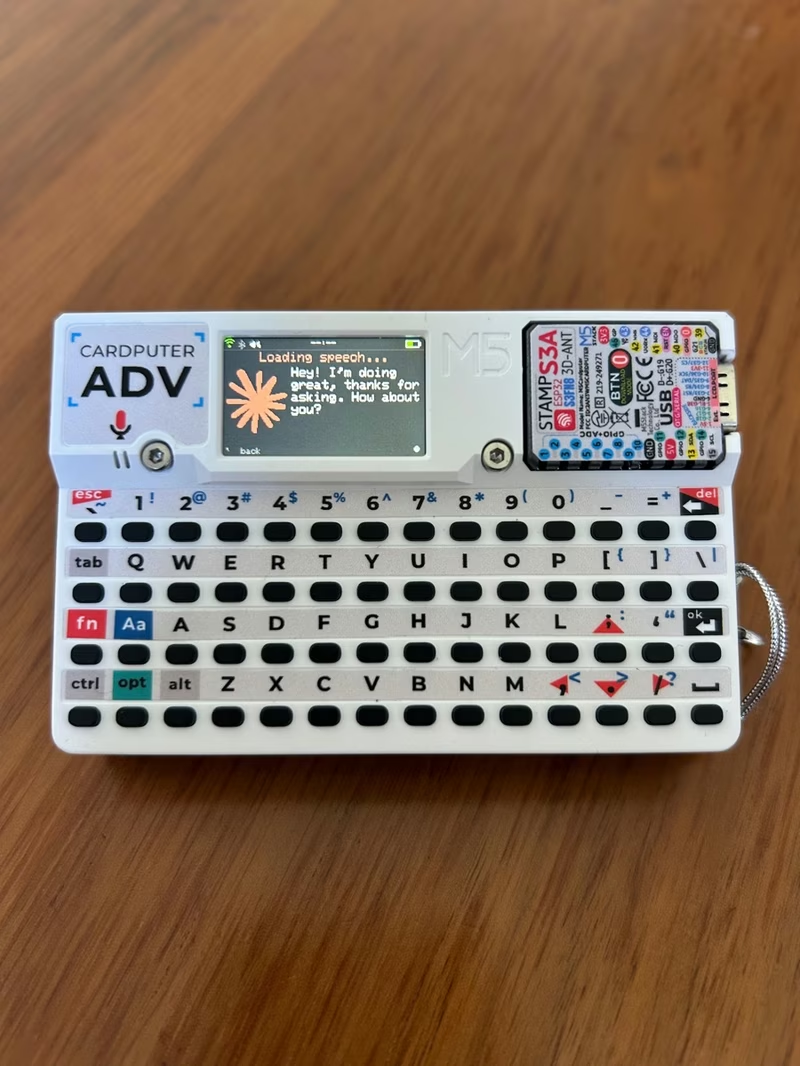
Claude Pocket is a voice-activated AI assistant firmware for the M5Stack Cardputer ADV, powered by Anthropic's Claude and OpenAI's Whisper and TTS APIs. It features a custom C++ implementation that handles voice activity detection, streaming transcription, and real-time audio playback on hardware without external PSRAM.
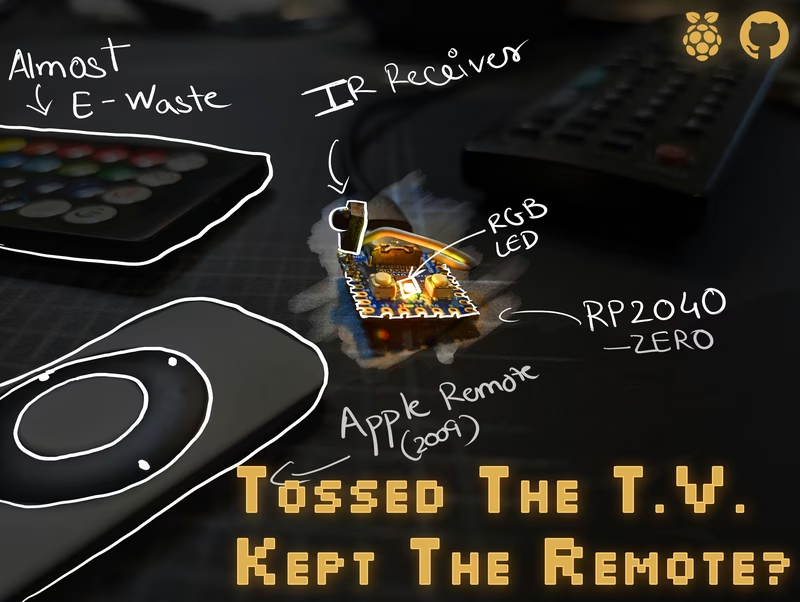
An RP2040-based project that repurposes old infrared TV remotes into programmable USB HID devices like presentation clickers or custom keyboards. It utilizes the Arduino framework with TinyUSB for HID communication and LittleFS for storing button mappings in JSON format, configured via a Web Serial browser application.
A passive RF scanner for the M5Cardputer ADV that detects Flock Safety ALPR cameras and Raven surveillance devices. It utilizes WiFi promiscuous mode and BLE scanning on the ESP32-S3, running entirely locally without cloud connectivity. Detections are logged to an SD card with GPS coordinates and signal strength visualizations.
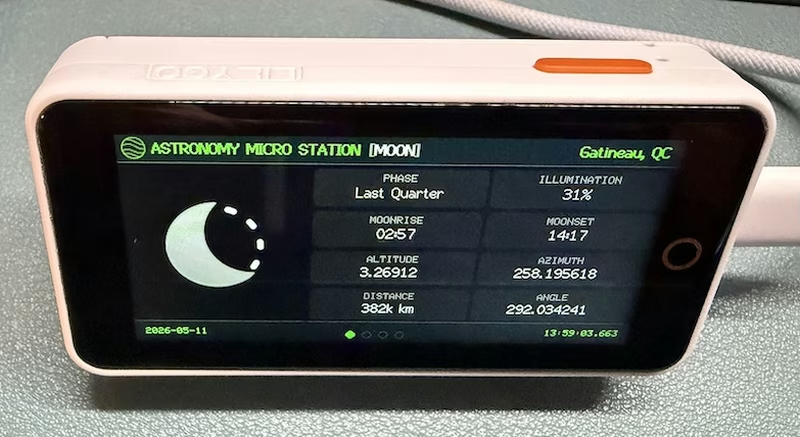
A standalone astronomy display for the LILYGO T-Display S3 Pro powered by an ESP32-S3. It tracks solar and lunar conditions using the ipgeolocation.io API, featuring a touch-enabled interface, LittleFS caching for offline use, and seamless Home Assistant integration via MQTT.
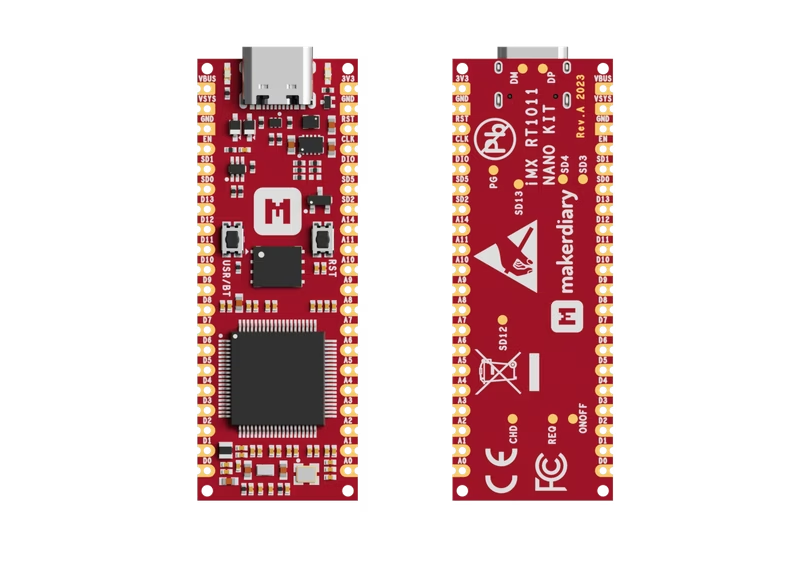
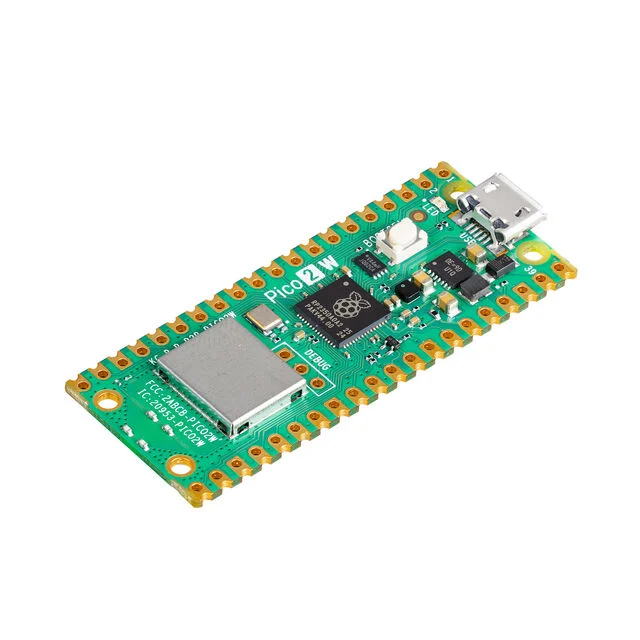
A high-performance development board featuring the NXP iMX RT1011 Crossover MCU with an ARM Cortex-M7 core running at 500MHz. It supports the Zephyr RTOS and Python environments, offering 128 KB RAM, 128 Mb QSPI Flash, and a compact USB-C form factor for rapid prototyping.
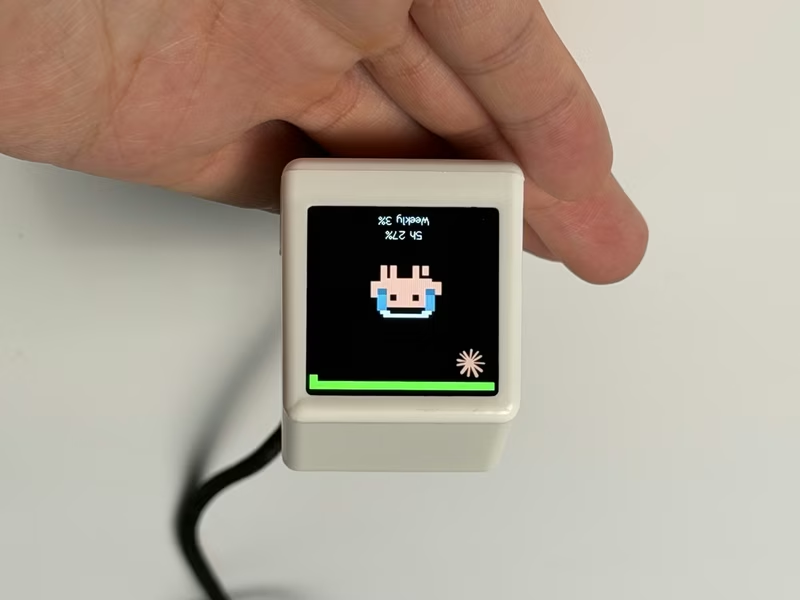
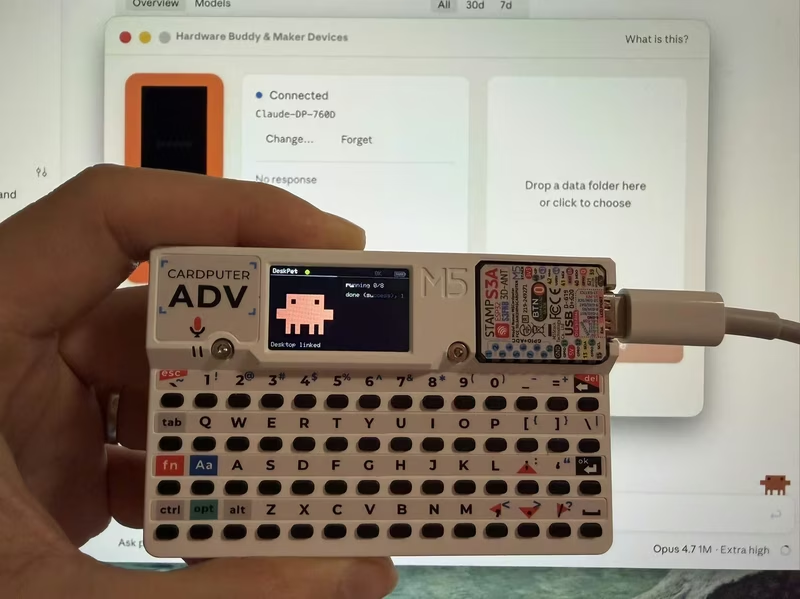
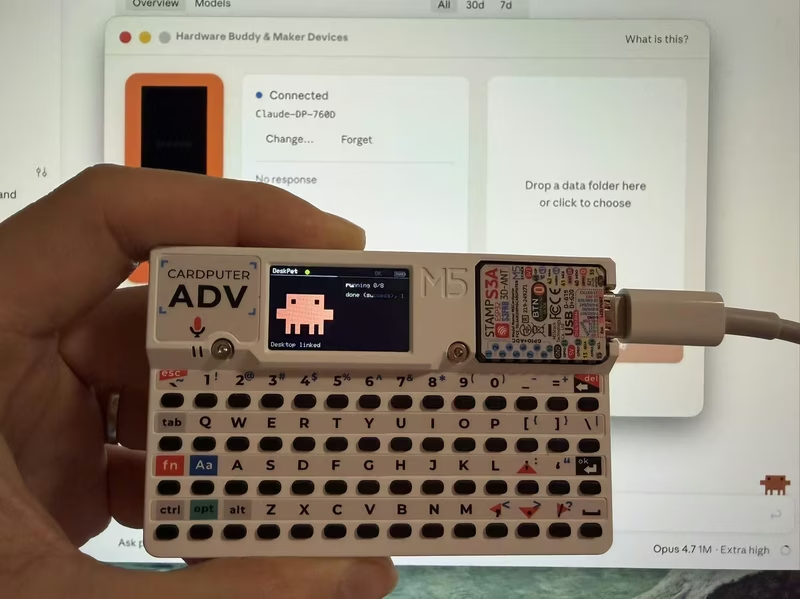
DeskPet is a pixel-art companion for the M5Stack Cardputer that synchronizes with Claude Code sessions via Bluetooth Low Energy. Built on the ESP32-S3 using the Arduino framework and NimBLE, it provides real-time visual feedback on AI agent states, including task progress, token usage, and permission approvals directly from the device's keyboard.
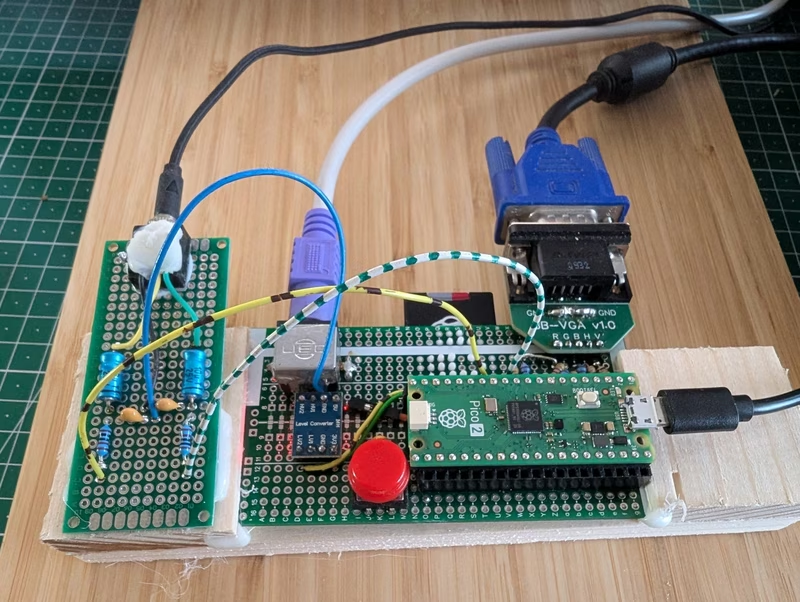
Japi Base is a hackable retro computer platform for the Raspberry Pi Pico 2 (RP2350) that provides integrated VGA, PS/2 keyboard, SD storage, and audio capabilities. It utilizes a dual-core architecture where I/O management is isolated to one core and a single PIO block, leaving the second core and remaining peripherals entirely available for user applications. The system features a unified file API using littlefs for internal flash and FatFs for external SD cards.
A comprehensive IoT development framework for Realtek Ameba series SoCs, providing a robust environment for building connected applications. It primarily leverages the FreeRTOS kernel and integrates essential networking stacks like lwIP, Wi-Fi, and Bluetooth. The SDK supports a wide range of Realtek chips, including the RTL8730E and RTL8721Dx, with tools for both CLI and VS Code-based development.
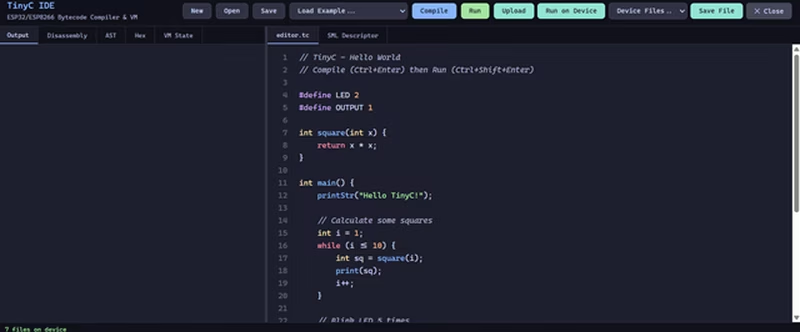
This project provides pre-compiled Tasmota firmware binaries specifically optimized for smart meter reading via SML and advanced scripting on ESP32 and ESP8266 platforms. It features a dual-track approach offering both the classic Tasmota Scripter and the high-performance TinyC VM, utilizing FreeRTOS for background processing and LittleFS for filesystem management. The firmware supports energy monitoring, Google Charts visualization, and emulation of smart battery interfaces like Shelly Pro 3EM.
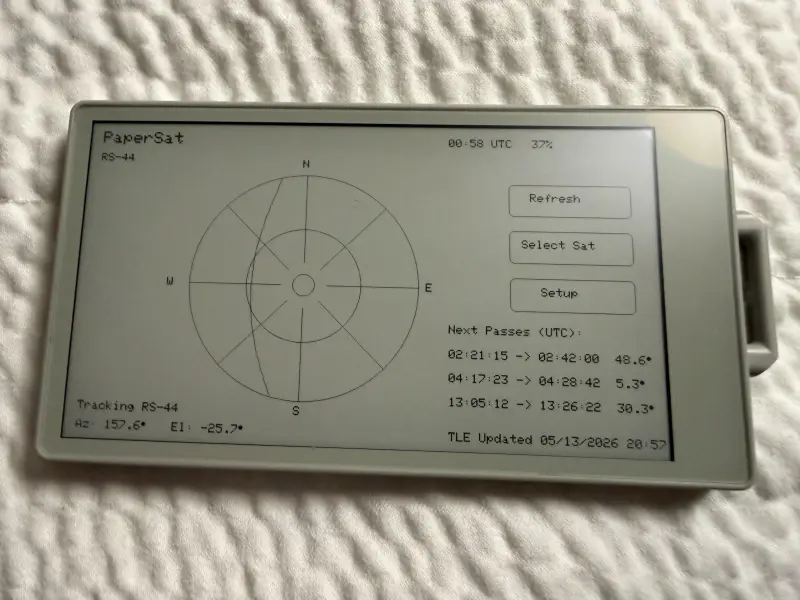
PaperSat is a standalone satellite tracking application for the M5Paper S3 e-ink tablet, providing real-time orbital predictions and polar sky plots. It utilizes SGP4 propagation for high-accuracy tracking and features an offline-first design with LittleFS for TLE data caching. The project is designed for amateur radio operators and observers, offering on-device configuration for location and time.
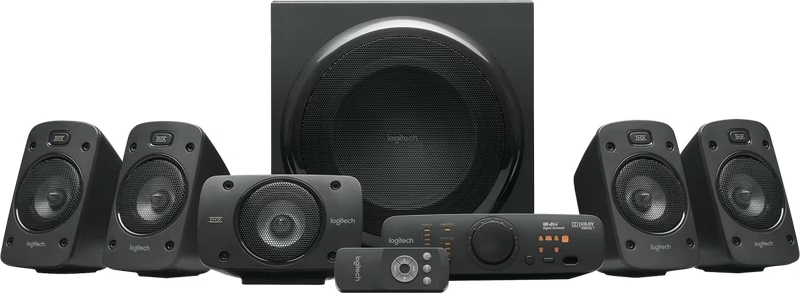
An ESP8266-based IoT solution for remote management of the Logitech Z906 5.1 surround sound system. It provides a web interface and MQTT integration for volume control, input switching, and status monitoring via the system's DE-15 console port.
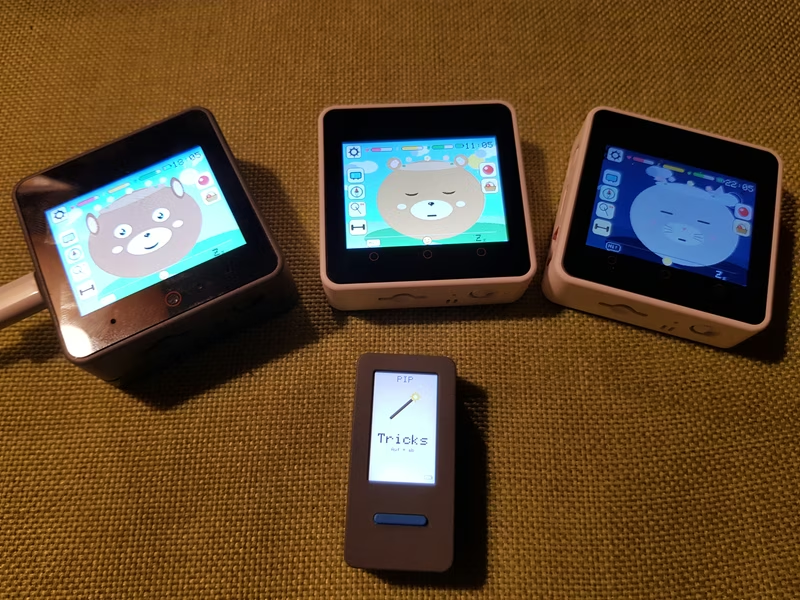
Pixel Pets is an open-source virtual pet ecosystem built for the M5Stack hardware family, featuring interactive digital companions with adaptive behaviors. It utilizes FreeRTOS for task management and the M5Unified library for hardware abstraction, supporting advanced features like ESP-NOW inter-device communication, offline LLM-based voice control, and real-time environment syncing. The project targets various ESP32 platforms including the CoreS3, Core2, and M5StickC PLUS2.
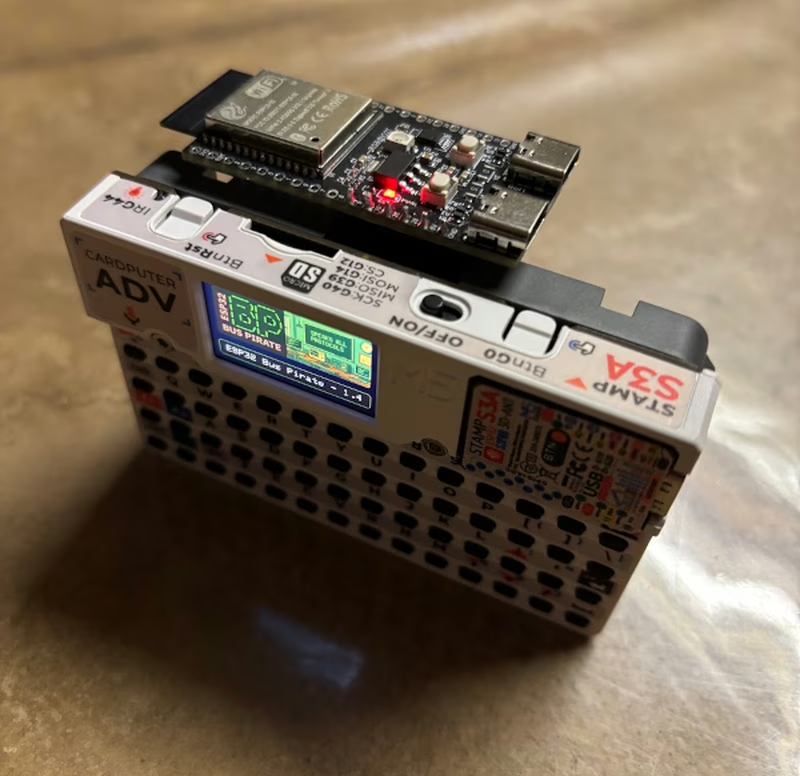
ESP32 Bit Pirate is an open-source firmware that transforms ESP32-S3 development boards into multi-protocol hardware hacking tools. It provides extensive support for digital protocols like I2C, SPI, and UART, as well as radio communications including Wi-Fi, Bluetooth, and Sub-GHz, utilizing FreeRTOS and LittleFS for robust device interaction.
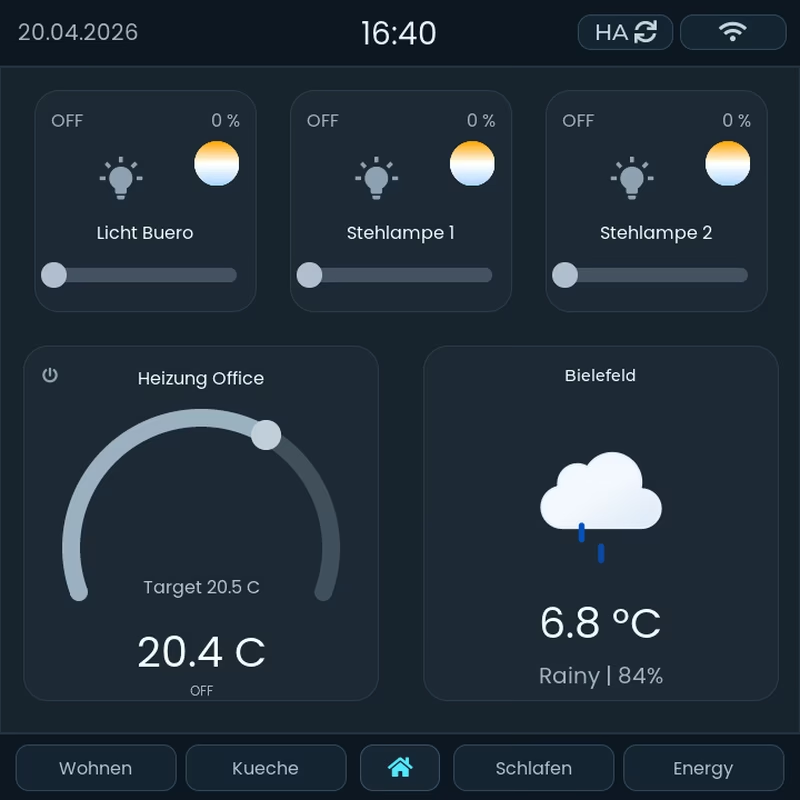
BETTA HA Panel is a runtime-configurable Home Assistant dashboard firmware for ESP32-P4 and ESP32-S3 touchscreen devices. Built on the ESP-IDF framework using LVGL and LittleFS, it allows users to design complex, multi-page layouts via a web-based drag-and-drop editor without requiring YAML configuration or firmware rebuilds.
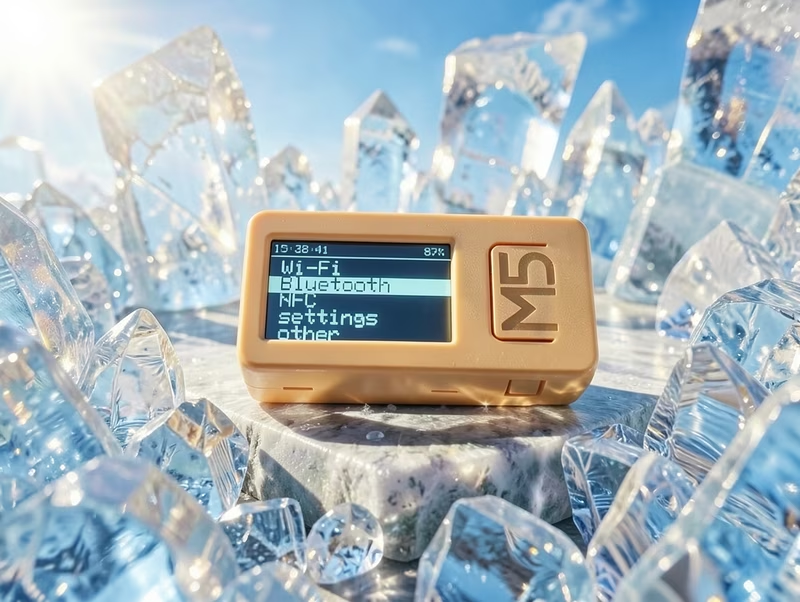
M5_Crystal is a modular firmware for M5Stack devices like the M5StickCPlus2 and Cardputer, providing a suite of tools for Wi-Fi, NFC, and Bluetooth interaction. It utilizes the M5Unified and M5GFX libraries for hardware abstraction and is built on a custom wrapper system designed for rapid feature development.
The SW32 is a modern 4-channel E-Stim box powered by a dual-processor architecture featuring an RP2040 and an ESP32. It provides isolated outputs, a color display, and versatile control via USB, Bluetooth, or Wi-Fi, utilizing FreeRTOS through the ESP-IDF framework alongside the SPIFFS and littlefs filesystems.
A physical companion device for the Claude Code AI assistant, utilizing the M5Paper V1.1 e-ink display. It features real-time session mirroring, hardware-based tool approval, and touch-screen interactions powered by ESP32 and a Python-based daemon.
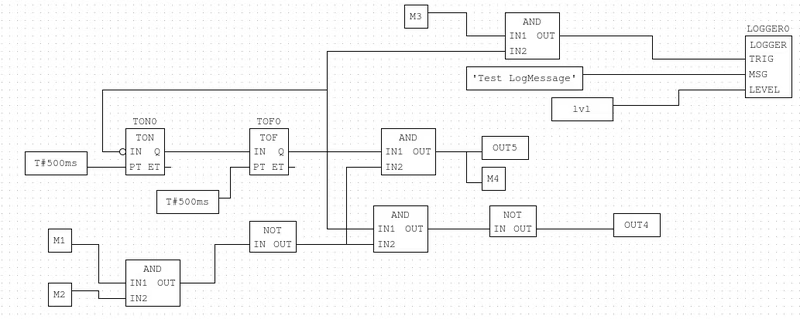
Beremiz4uC is a real-time runtime environment that executes Beremiz IDE PLC programs on STM32F4 microcontrollers using Zephyr RTOS. It features dynamic code loading via udynlink, eRPC-based communication, and flexible I/O management for industrial control applications.
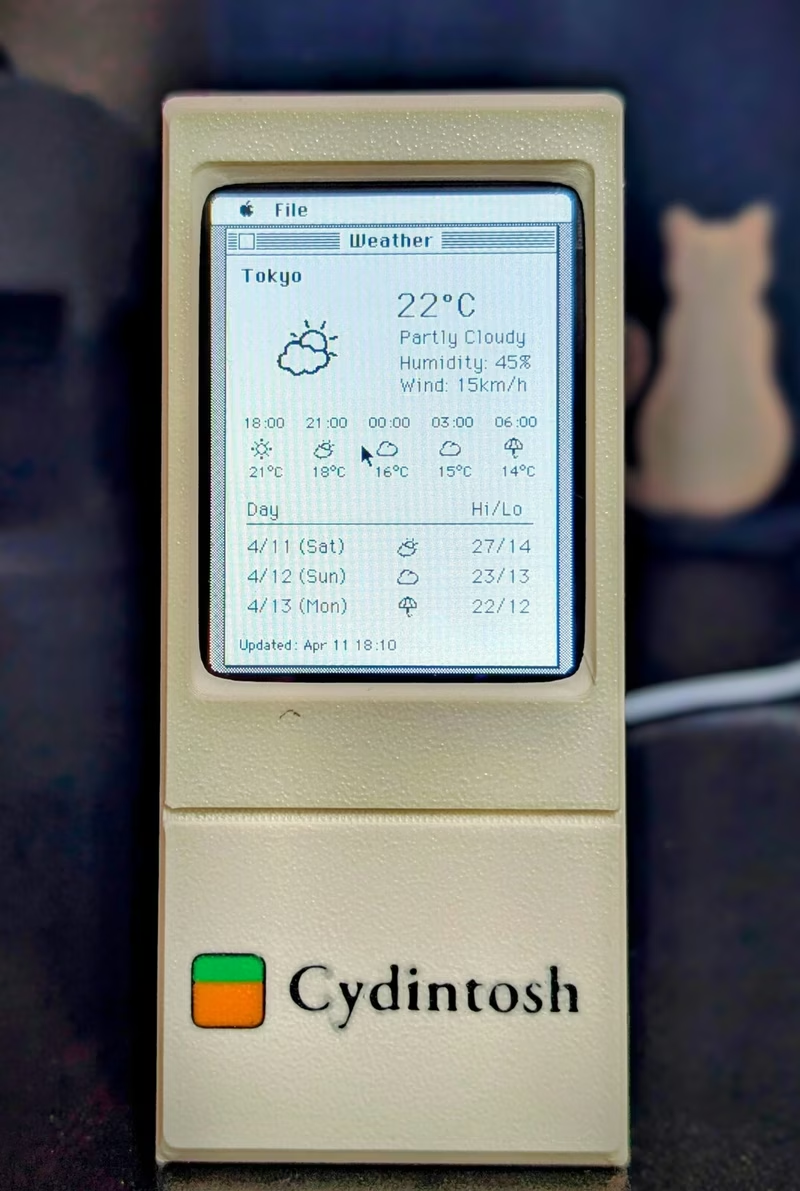
Cydintosh is a Macintosh Plus emulator designed for the ESP32-based Cheap-Yellow-Display (CYD). It utilizes the Musashi 68k emulator core and umac to run classic Macintosh software alongside modern ESP32 features like WiFi, MQTT, and Home Assistant integration.
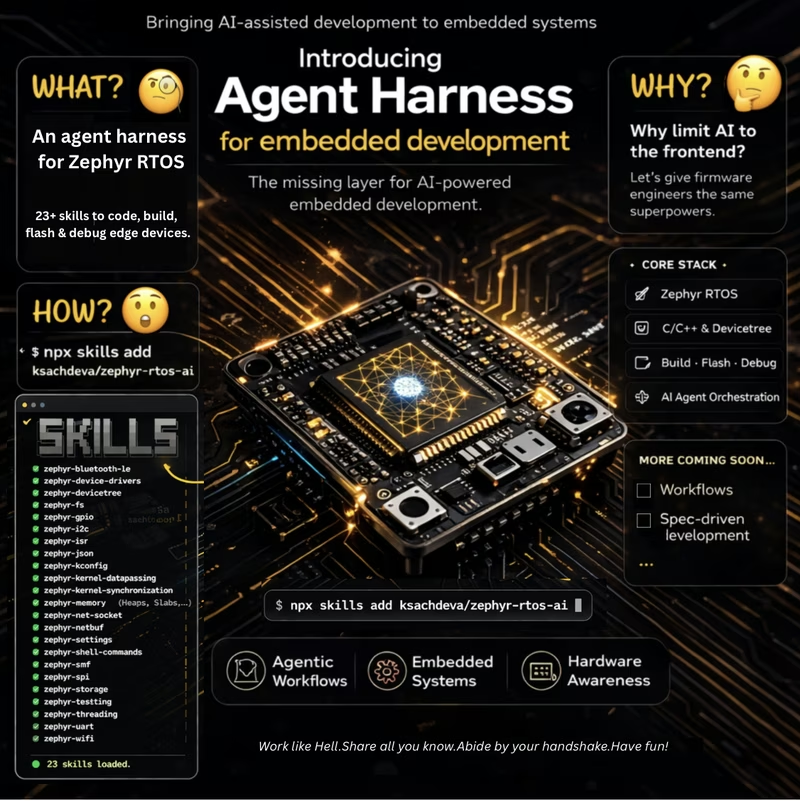
A specialized harness designed for AI-assisted embedded firmware development using the Zephyr RTOS. It provides a comprehensive set of 'Agent Skills' covering core Zephyr subsystems like BLE, device drivers, and kernel primitives to help AI agents generate, understand, and manage firmware code efficiently.
An optimized Arduino library for background audio playback and speech synthesis on Raspberry Pi Pico (RP2040/RP2350) and ESP32. It uses an interrupt-driven architecture to support MP3, AAC, WAV, and text-to-speech while keeping the main application loop responsive and dropout-free.
DeskPet is a pixel-art companion for the M5Stack Cardputer that synchronizes with Claude Code sessions via Bluetooth Low Energy (BLE). Built on the ESP32-S3 using the NimBLE stack and ArduinoJson, it provides real-time visual feedback and hardware-based command approval for AI agent workflows.
A premium Bluetooth audio receiver firmware for ESP32-WROVER modules that enables high-resolution streaming via LDAC and aptX codecs. It features a custom DSP pipeline for 3D audio enhancement, real-time LED matrix visualization, and a secure OTA recovery system built on FreeRTOS.
An internet radio project for the WT32-SC01-PLUS (ESP32-S3) module featuring a sophisticated LVGL-based touchscreen interface. It utilizes ESP32-audioI2S for streaming and LittleFS for configuration storage.
Flock-Detector 3.0 is a specialized surveillance detection system designed for the Seeed Studio XIAO ESP32-S3 to identify and log WiFi and BLE signatures from ALPR cameras and gunshot detectors. The firmware utilizes FreeRTOS for dual-core task management, pairing WiFi promiscuous mode and NimBLE-based BLE scanning with real-time GPS tagging. It features a weighted confidence scoring engine, persistent session storage via LittleFS, and an OLED-based interface for field use.
SVITRIX is an open-source, AI-developed firmware for the Ulanzi Smart Pixel Clock TC001 and custom ESP32-based LED matrices. It features a robust MQTT and HTTP API for integration with home automation systems like HomeAssistant, supporting dynamic custom apps, visual effects, and real-time environmental sensor data.
UniGeek is a comprehensive multi-tool firmware for ESP32-based handheld devices, offering a suite of tools for WiFi security, Bluetooth analysis, and hardware module interfacing. Built on the Arduino framework and FreeRTOS, it supports a wide variety of hardware including M5Stack, LilyGO, and custom DIY builds.
A high-performance wavetable synthesizer firmware for ESP32-S3 and ESP32-P4 microcontrollers that plays SoundFont 2 (SF2) samples. It utilizes PSRAM for large sample banks, supports USB MIDI for plug-and-play connectivity, and features real-time audio effects like reverb and chorus.
Hyperk is a minimalist, high-performance WiFi LED driver for ESP8266, ESP32, and Raspberry Pi Pico W microcontrollers. It provides low-latency control for addressable LEDs like WS2812B and SK6812, featuring native integration with HyperHDR and Home Assistant. The firmware utilizes FreeRTOS and the lwIP stack to manage high-speed UDP streaming and a responsive web-based configuration interface.
TNY-360 is an open-source, 12-DOF quadruped robot designed for research and interaction, powered by the ESP32-S3 microcontroller. It utilizes the ESP-IDF framework and FreeRTOS to manage complex tasks like inverse kinematics, computer vision via an OV2640 camera, and human-robot interaction. The project features a fully 3D-printable chassis and integrated sensors including Lidar, IMU, and I2S audio.
An ESP32-based IoT power monitoring system that tracks electricity outages and notifies users via a Telegram bot. The device features a battery backup system for seamless operation during blackouts and utilizes a captive portal for easy configuration of network and bot credentials.
QBIT is an open-source desktop companion robot and personal IoT avatar based on the ESP32-C3. It features a custom monochrome animation system, integrated Wi-Fi management via NetWizard, and seamless Home Assistant integration through MQTT. The project includes a full-stack web platform for remote interaction, device claiming, and community animation sharing.
Breeze is a modular embedded software framework based on Zephyr RTOS, specifically designed for RoboMaster competition robots. It provides specialized drivers for DJI motors and CAN bus management, along with integrated logging and system monitoring. The framework utilizes the West meta-tool for workspace management and incorporates libraries like littlefs to provide a robust environment for complex robotic systems.