Zephyr RTOS AI Harness
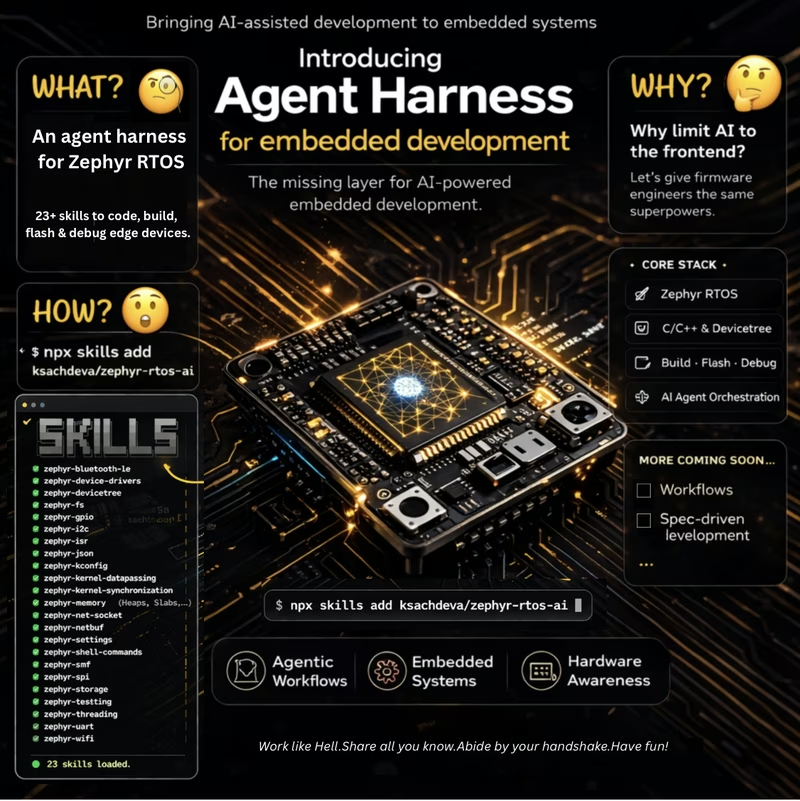
A specialized harness designed for AI-assisted embedded firmware development using the Zephyr RTOS. It provides a comprehensive set of 'Agent Skills' covering core Zephyr subsystems like BLE, device drivers, and kernel primitives to help AI agents generate, understand, and manage firmware code efficiently.
Bridging AI and Embedded Development
As Artificial Intelligence continues to transform software engineering, the embedded systems domain presents unique challenges due to its hardware-specific constraints and complex real-time requirements. The Zephyr RTOS AI project addresses these challenges by providing a dedicated harness for AI-assisted firmware development. By organizing the vast capabilities of the Zephyr RTOS into discrete, manageable “Agent Skills,” this project enables AI agents to provide more accurate, context-aware assistance throughout the development lifecycle.
Comprehensive Subsystem Coverage
The core of the project is its extensive library of skills. These are not just documentation snippets; they represent structured knowledge areas that an AI agent can leverage to perform specific tasks. For instance, the zephyr-bluetooth-le skill covers the entire BLE stack, from GAP roles and GATT services to pairing and bonding. Similarly, the zephyr-devicetree skill provides the necessary context for handling overlays, bindings, and the complex DT_* C macros that are central to Zephyr development.
Beyond hardware abstraction, the harness covers critical kernel functions including:
- Synchronization & Data Passing: Context for using Semaphores, Mutexes, FIFOs, Message Queues, and the ZBus.
- Memory Management: Knowledge of heaps, slabs, memory domains, and virtual memory.
- Storage & File Systems: Integration with LittleFS, FAT, and persistent settings using NVS or FCB backends.
- Connectivity: Support for BSD sockets, TLS/DTLS, and Wi-Fi station/AP modes.
Optimized Development Workflow
While these agent skills can work with any Zephyr project layout, the repository encourages a modern development workflow. It suggests using a template powered by uv and poe, which allows AI agents to execute build tasks without consuming excessive context or computational resources. This structure ensures that the AI stays focused on the logic of the firmware rather than the overhead of environment configuration.
One of the standout features is the inclusion of an AGENTS.md file. This serves as a specialized instruction set that developers can tailor to their project’s specific needs, further refining how the AI interacts with the codebase.
Technical Implementation and Tooling
The harness is built to support modern Zephyr standards, referencing the latest manifest versions (such as Zephyr v4.3.0). It emphasizes descriptor-based patterns, such as the zephyr-json skill for serialization without dynamic memory allocation, and the State Machine Framework (zephyr-smf) for managing complex application logic through flat or hierarchical state machines.
By providing a bridge between high-level AI capabilities and low-level embedded constraints, Zephyr RTOS AI makes it possible to perform spec-driven development and automated testing using the Ztest framework and Twister runner. This approach not only speeds up the prototyping phase but also improves the reliability of the resulting firmware by ensuring the AI follows Zephyr’s best practices for interrupt management, power management, and driver initialization.
Related Projects
Tenstorrent System Firmware
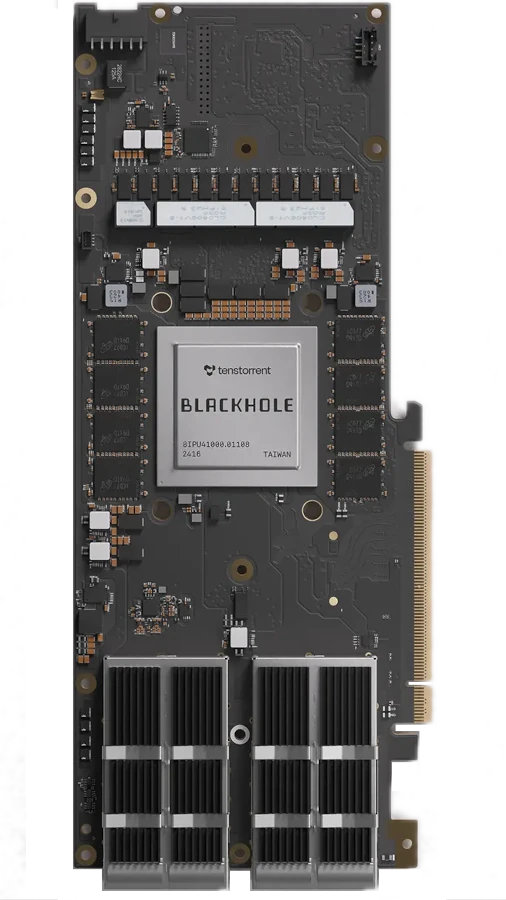
Tenstorrent System Firmware is a Zephyr RTOS-based firmware stack designed for Tenstorrent AI hardware controllers. It manages the System Management Controller (SMC) and Device Management Controller (DMC) for platforms like Blackhole and Grendel, providing custom drivers for AI accelerators and supporting secure updates via MCUboot.
zbot
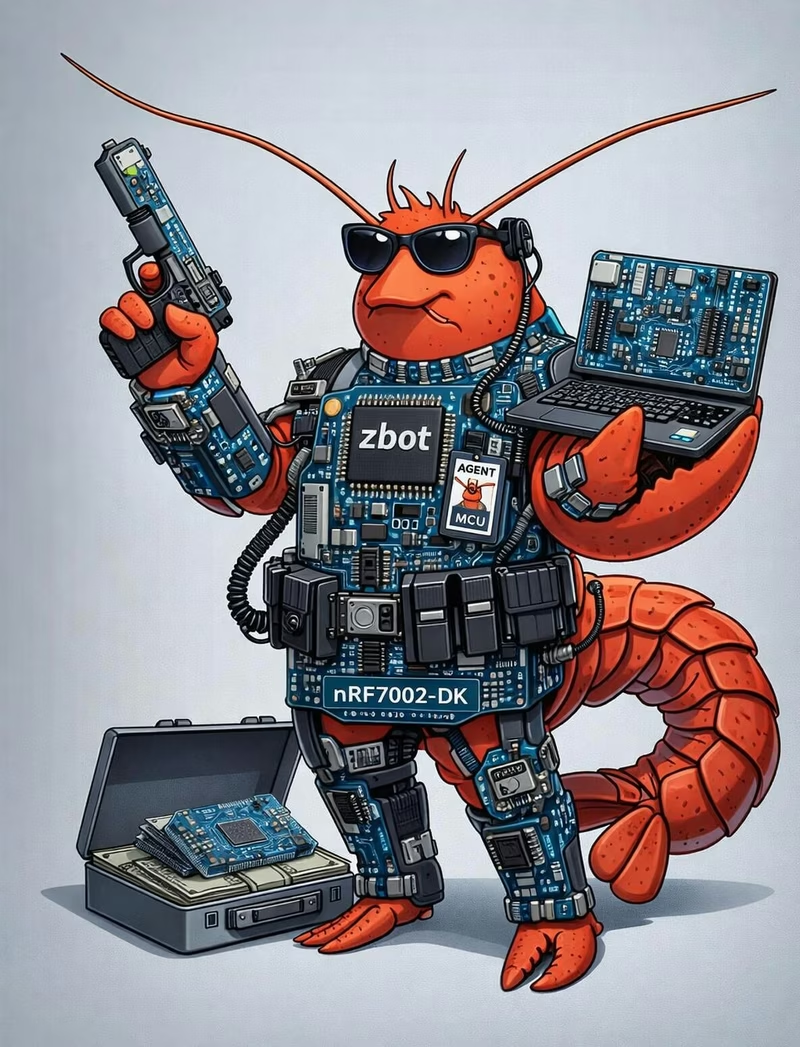
zbot is an open-source embedded AI agent powered by Zephyr RTOS that implements a ReAct (Reason + Act) loop. It enables hardware control, persistent memory, and multi-step skills by connecting to OpenAI-compatible LLM APIs, targeting the nRF7002-DK and Linux simulation.