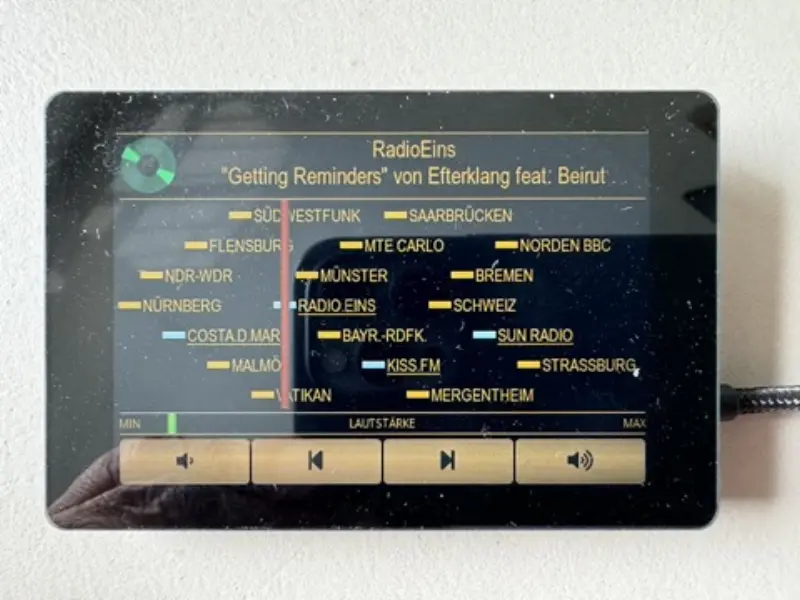
TINYRadio9 for WT32-SC01-PLUS
An internet radio project for the WT32-SC01-PLUS (ESP32-S3) module featuring a sophisticated LVGL-based touchscreen interface. It utilizes ESP32-audioI2S for streaming and LittleFS for configuration storage.
204 projects using littlefs
littlefs is a fail-safe filesystem specifically designed for microcontrollers with limited resources, featuring power-loss resilience and dynamic wear leveling. It employs a unique two-layer architecture combining metadata logs and copy-on-write structures to ensure data integrity and minimize flash wear while maintaining a strictly bounded memory footprint.
An internet radio project for the WT32-SC01-PLUS (ESP32-S3) module featuring a sophisticated LVGL-based touchscreen interface. It utilizes ESP32-audioI2S for streaming and LittleFS for configuration storage.
Flock-Detector 3.0 is a specialized surveillance detection system designed for the Seeed Studio XIAO ESP32-S3 to identify and log WiFi and BLE signatures from ALPR cameras and gunshot detectors. The firmware utilizes FreeRTOS for dual-core task management, pairing WiFi promiscuous mode and NimBLE-based BLE scanning with real-time GPS tagging. It features a weighted confidence scoring engine, persistent session storage via LittleFS, and an OLED-based interface for field use.
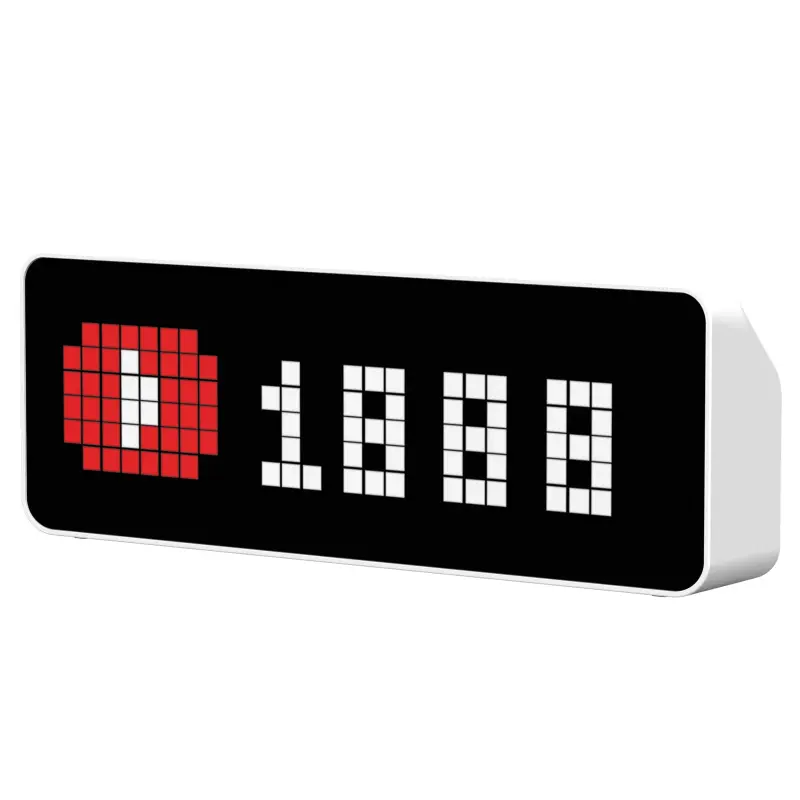
SVITRIX is an open-source, AI-developed firmware for the Ulanzi Smart Pixel Clock TC001 and custom ESP32-based LED matrices. It features a robust MQTT and HTTP API for integration with home automation systems like HomeAssistant, supporting dynamic custom apps, visual effects, and real-time environmental sensor data.
UniGeek is a comprehensive multi-tool firmware for ESP32-based handheld devices, offering a suite of tools for WiFi security, Bluetooth analysis, and hardware module interfacing. Built on the Arduino framework and FreeRTOS, it supports a wide variety of hardware including M5Stack, LilyGO, and custom DIY builds.
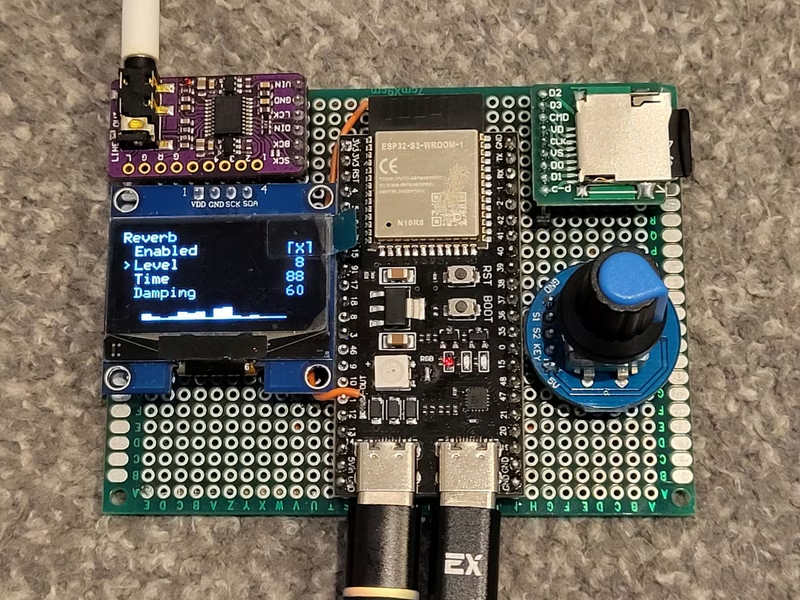
A high-performance wavetable synthesizer firmware for ESP32-S3 and ESP32-P4 microcontrollers that plays SoundFont 2 (SF2) samples. It utilizes PSRAM for large sample banks, supports USB MIDI for plug-and-play connectivity, and features real-time audio effects like reverb and chorus.
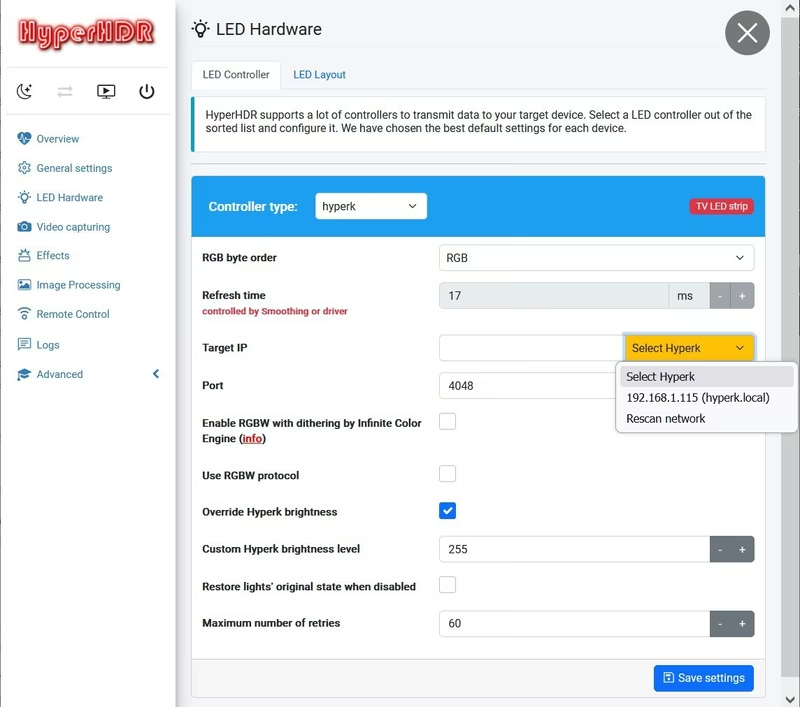
Hyperk is a minimalist, high-performance WiFi LED driver for ESP8266, ESP32, and Raspberry Pi Pico W microcontrollers. It provides low-latency control for addressable LEDs like WS2812B and SK6812, featuring native integration with HyperHDR and Home Assistant. The firmware utilizes FreeRTOS and the lwIP stack to manage high-speed UDP streaming and a responsive web-based configuration interface.
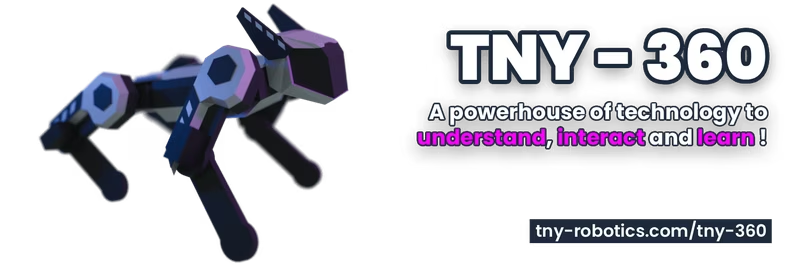
TNY-360 is an open-source, 12-DOF quadruped robot designed for research and interaction, powered by the ESP32-S3 microcontroller. It utilizes the ESP-IDF framework and FreeRTOS to manage complex tasks like inverse kinematics, computer vision via an OV2640 camera, and human-robot interaction. The project features a fully 3D-printable chassis and integrated sensors including Lidar, IMU, and I2S audio.
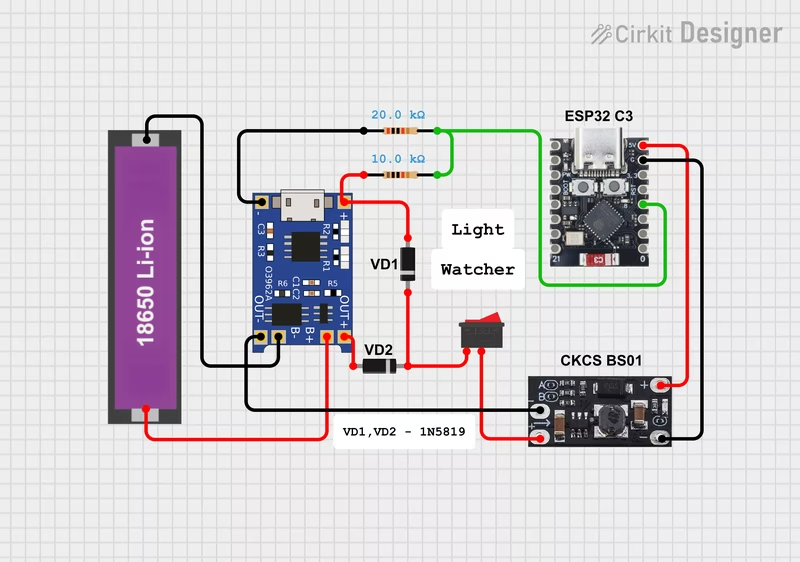
An ESP32-based IoT power monitoring system that tracks electricity outages and notifies users via a Telegram bot. The device features a battery backup system for seamless operation during blackouts and utilizes a captive portal for easy configuration of network and bot credentials.
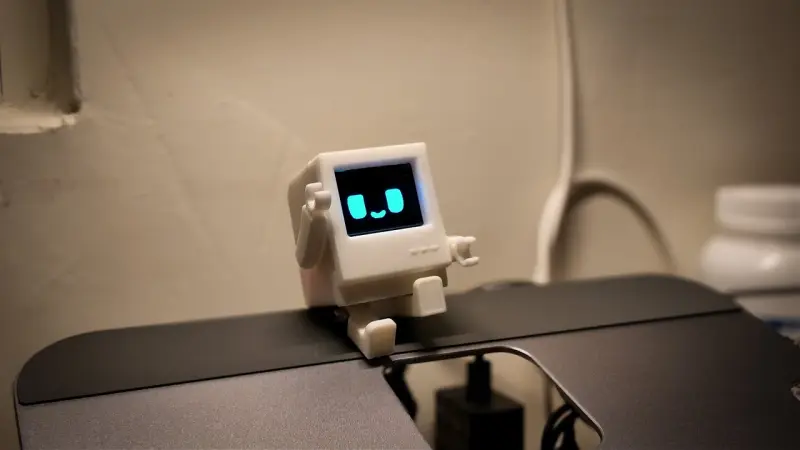
QBIT is an open-source desktop companion robot and personal IoT avatar based on the ESP32-C3. It features a custom monochrome animation system, integrated Wi-Fi management via NetWizard, and seamless Home Assistant integration through MQTT. The project includes a full-stack web platform for remote interaction, device claiming, and community animation sharing.
Breeze is a modular embedded software framework based on Zephyr RTOS, specifically designed for RoboMaster competition robots. It provides specialized drivers for DJI motors and CAN bus management, along with integrated logging and system monitoring. The framework utilizes the West meta-tool for workspace management and incorporates libraries like littlefs to provide a robust environment for complex robotic systems.
An AI-powered automation agent for ESP32 microcontrollers that translates natural language commands into local, persistent hardware rules. It features a dual-loop architecture for cloud-independent execution and integrates with Telegram, NATS, and serial devices.
PicoSound is a dual-core audio engine for the Raspberry Pi Pico (RP2040) that offloads audio processing to Core1 to ensure glitch-free playback. It supports an 8-channel mixer, synthesized waveforms, and WAV file streaming via LittleFS or PROGMEM, targeting both Arduino IDE and PlatformIO environments.
A system information and logging utility for ESP32 and ESP8266 that provides a Neofetch-style ASCII dashboard. It features a Python-inspired logger with thread-safe operations on FreeRTOS and supports detailed hardware diagnostics including memory, network, and chip status.
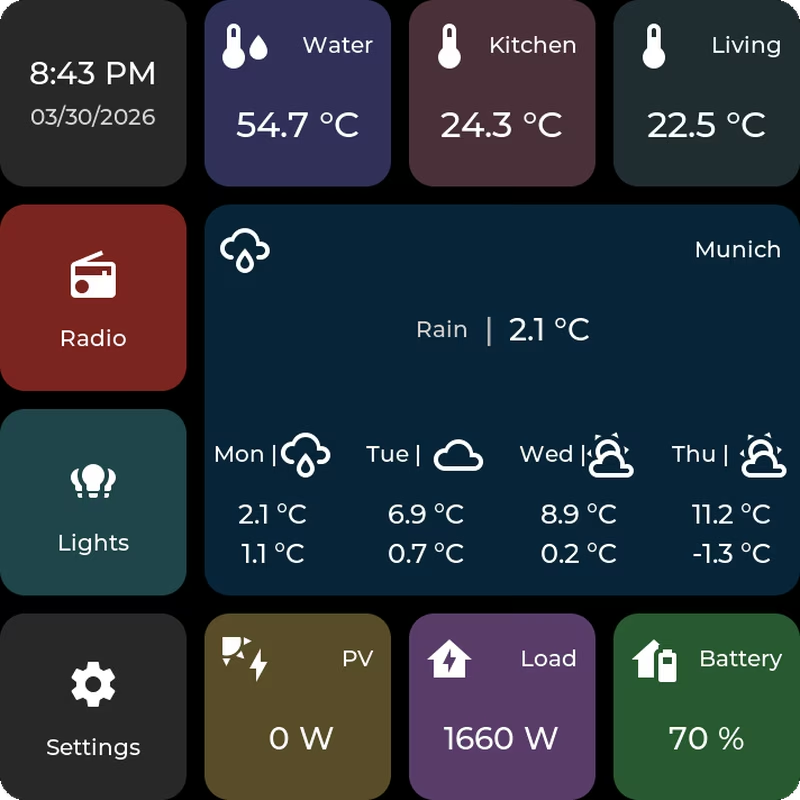
A tile-based firmware for ESP32-P4 devices that creates a touch-first Home Assistant dashboard. It utilizes FreeRTOS and LVGL for the user interface, supporting MQTT integration and web-based configuration. The system targets ESP32-P4 hardware like the Waveshare B4 and M5Stack Tab5, featuring OTA updates and internal storage management via LittleFS.
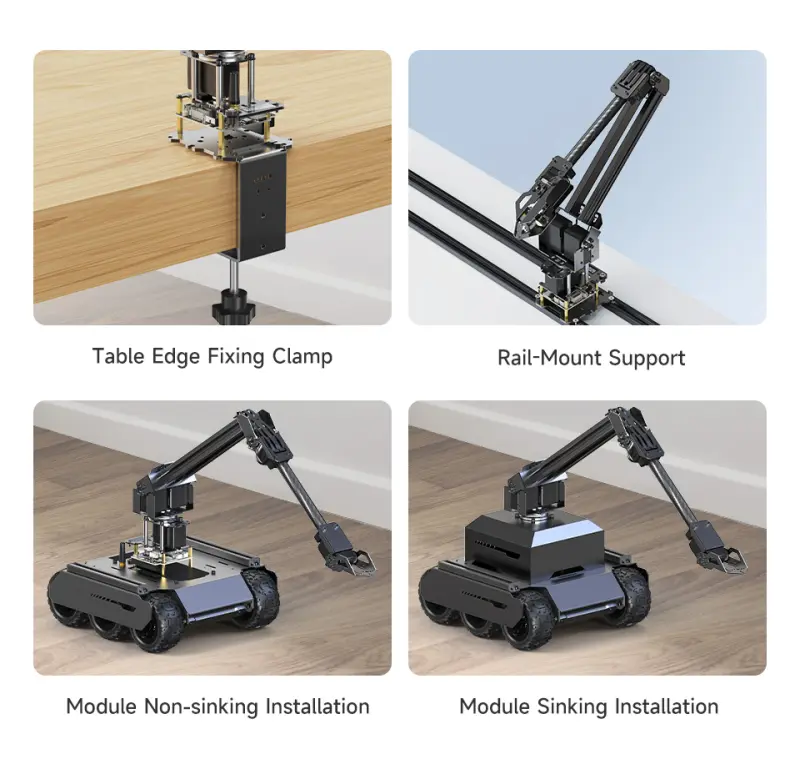
A comprehensive ESP32-based control firmware for the Waveshare RoArm-M2, a 4DOF robotic arm. It features high-precision servo management, pneumatic control, and an OLED status display while utilizing LittleFS for data storage and supporting remote operation via Web interface, UART, and ESP-NOW.
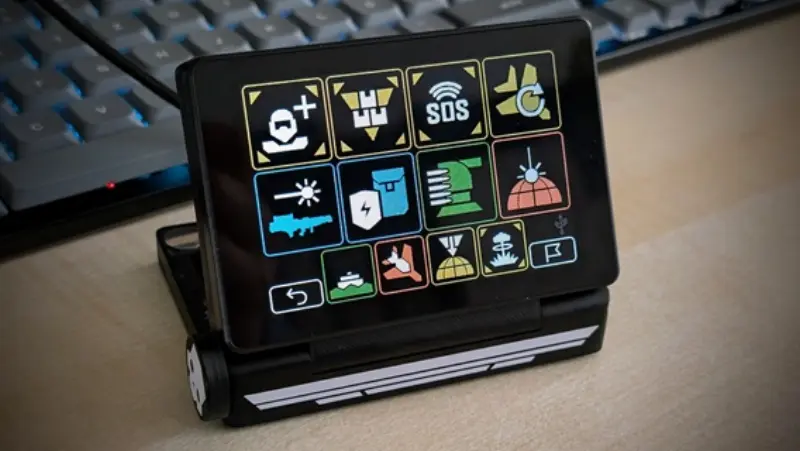
An ESP32-S3 based touchscreen macropad designed for Helldivers 2, providing live stratagem configuration and loadout management. It utilizes FreeRTOS, LVGL, and the TinyUSB stack to function as a versatile HID keyboard interface for PC and PlayStation.
A comprehensive hardware emulator for the NEC PC-6001mkII and PC-6601 series running on the Raspberry Pi Pico. It utilizes custom PIO state machines for VGA and audio generation, supports LittleFS for storage, and offers high-fidelity sound emulation via the fmgen library.
A versatile MIDI hub firmware for the Raspberry Pi Pico that interconnects USB MIDI hosts, serial MIDI devices, and USB MIDI controllers. It leverages the RP2040's PIO to implement a software USB host port and supports Bluetooth MIDI on the Pico W.
A comprehensive development resource for the Seeed Studio XIAO ESP32 family, including the C3, S3, and C6 modules. It provides over thirty modular projects demonstrating hardware-specific features like LiPo battery monitoring, deep sleep optimization, and advanced wireless implementations such as BLE HID keyboards and WebSocket camera servers.
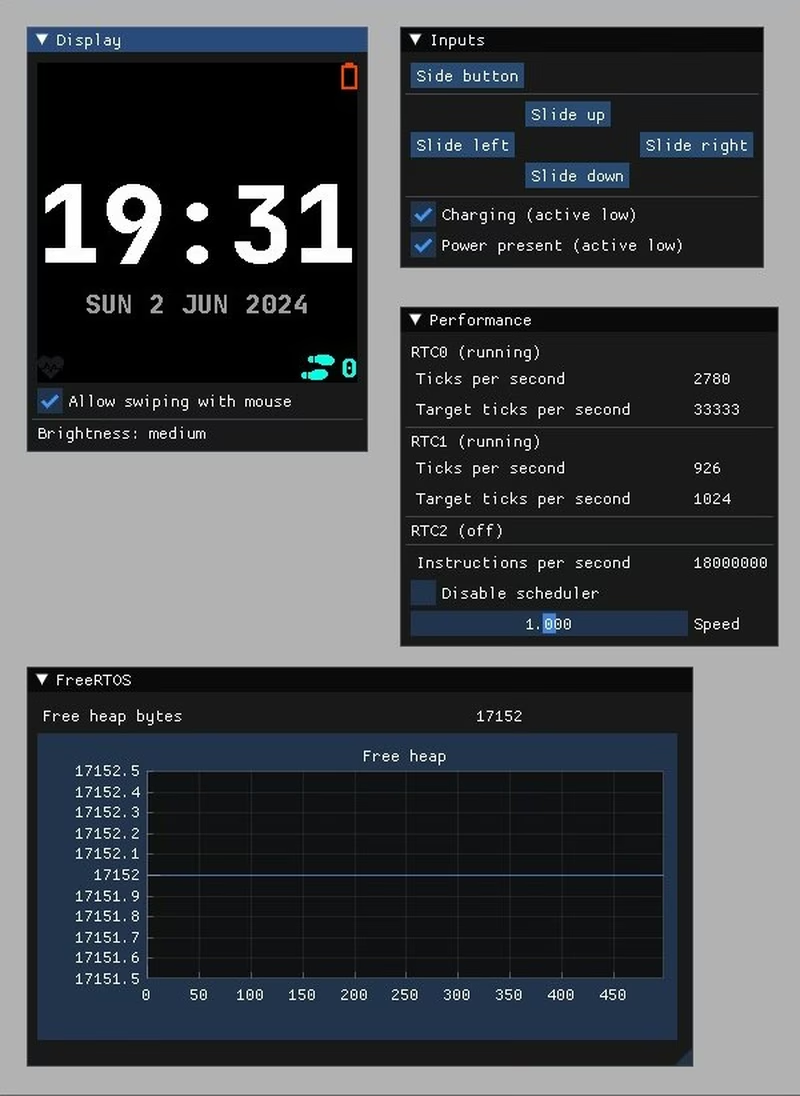
InfiniEmu is a high-fidelity emulator for the PineTime smartwatch, simulating the nRF52832 SoC and its complete peripheral suite including I2C sensors and SPI displays. It enables developers to run production firmware like InfiniTime in both native desktop environments and web browsers using WebAssembly, featuring integrated support for FreeRTOS debugging and LittleFS storage.
pico-vfs is a modular virtual file system designed for the Raspberry Pi Pico that provides a unified POSIX-compliant API for various storage media. It allows developers to mount multiple file systems, such as littlefs and FatFs, across physical storage like onboard flash and SD cards. The project streamlines embedded development by abstracting hardware differences and supporting standard C file operations.
A port of the SQLite3 database engine for the Raspberry Pi Pico, enabling structured data storage on microcontrollers. It leverages littlefs for flash persistence and pico-vfs for flexible filesystem support, providing both a C/C++ library and an interactive shell.
This project implements a USB Mass Storage Class device for the Raspberry Pi Pico that exposes a LittleFS filesystem as a standard FAT12 volume. It allows users to read, write, and manage files stored on a microcontroller's flash memory from any PC without needing specialized software or drivers.
A port of the SQLite3 relational database engine for ESP32 microcontrollers using the ESP-IDF framework. It supports ESP-IDF V5.x, offers specialized PSRAM memory management, and integrates with various filesystems including SPIFFS, LittleFS, and FATFS.
BreadboardOS is a firmware platform for the Raspberry Pi RP2xxx family designed for rapid prototyping with a focus on a command-line interface. Built on FreeRTOS, it integrates the LittleFS filesystem and microshell to provide a POSIX-like environment for interacting with hardware peripherals and managing system tasks.
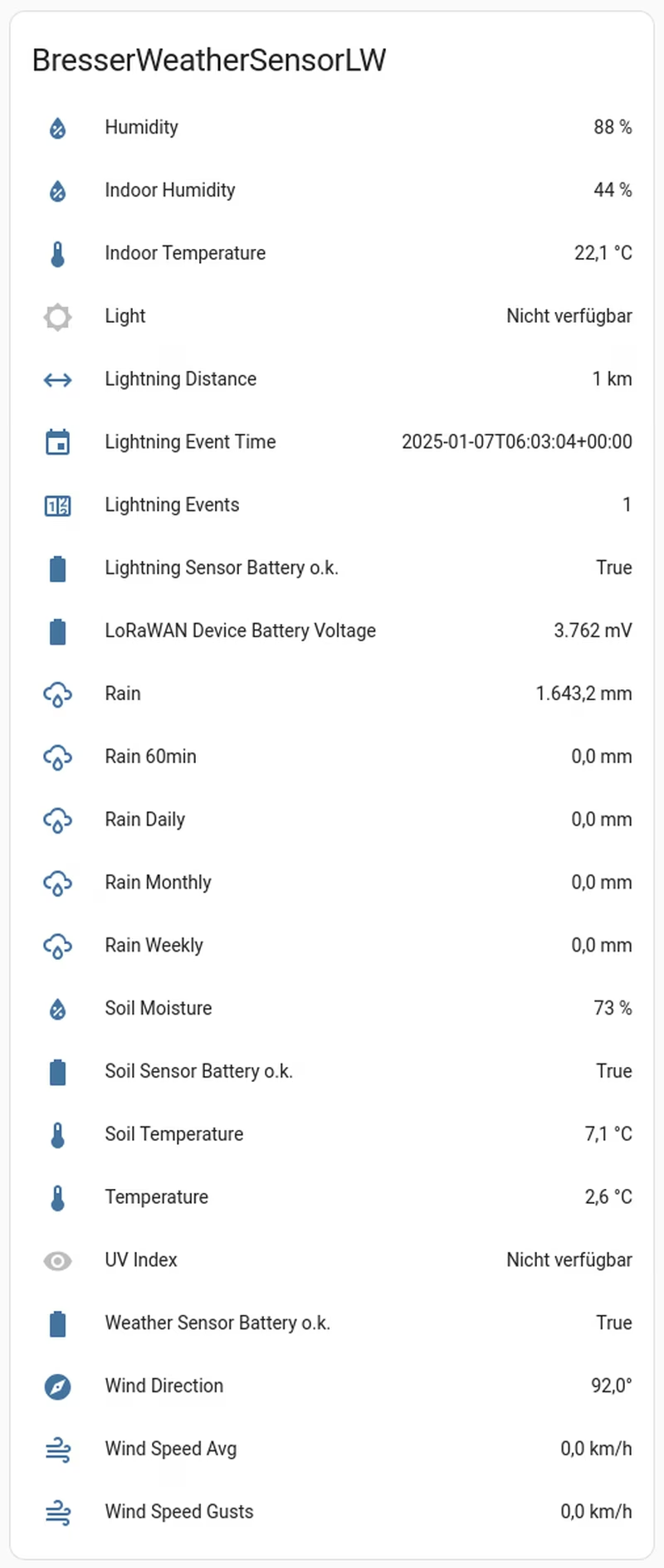
A LoRaWAN-enabled bridge for Bresser 868 MHz weather sensors based on ESP32 and RP2040 microcontrollers. It utilizes the RadioLib library to receive sensor data via FSK and transmit it to LoRaWAN networks like The Things Network, ChirpStack, or Helium, while focusing on low-power operation and extensive sensor support.
An implementation of a Reed-Solomon based error-correcting block device backed by RAM, designed for use with the littlefs file system. It provides a robust mechanism for detecting and correcting a configurable number of byte errors, serving as both a functional driver and an educational resource on finite-field mathematics.
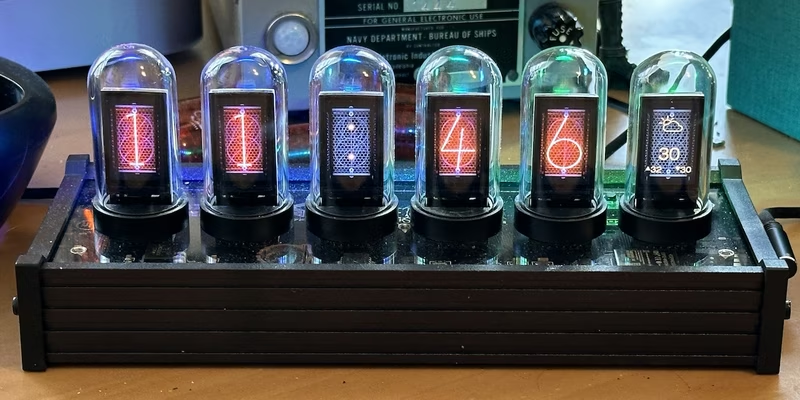
This project provides a feature-rich custom firmware for ESP32-based EleksTube IPS digital clocks, enabling internet time synchronization and weather updates. It utilizes the TFT_eSPI library for high-quality display management and LittleFS for asset storage, while offering a web-based configuration portal and MQTT integration for smart home ecosystems.
This project transforms ESP32-S2 and ESP32-S3 microcontrollers into hardware security tokens supporting FIDO2/U2F, OpenPGP, PIV, and OATH protocols. It leverages the ESP-IDF framework, FreeRTOS, and the LittleFS file system to provide a secure authentication solution using native USB-OTG capabilities.
An open-source energy monitoring system built on the ESP32-S3 and ADE7953 IC, capable of tracking up to 17 circuits. It features a task-based FreeRTOS architecture and supports multiple integration protocols including MQTT, Modbus TCP, and InfluxDB.
A library for ESP32 that enables firmware and filesystem (SPIFFS/LittleFS) updates over Bluetooth Low Energy. It supports both BlueDroid and NimBLE stacks, offering features like data compression, secure RSA-based signature verification, and customizable callbacks for update monitoring.
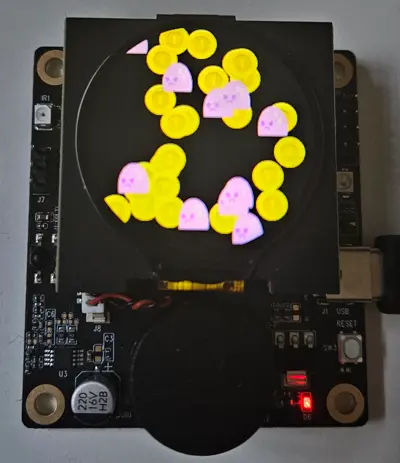
A graphical application example for ESP32 microcontrollers using the Swift 6.1 programming language and SDL3. It supports various Espressif SoCs including ESP32-C3, ESP32-C6, and ESP32-P4, utilizing ESP-IDF 5.4 and LittleFS for asset management.
A non-IP communication protocol designed for resource-constrained devices to interact with cloud services through gateways. Implemented as a Zephyr module, it supports various transports like BLE GATT and provides built-in support for Golioth services including logging, OTA updates, and data streaming.
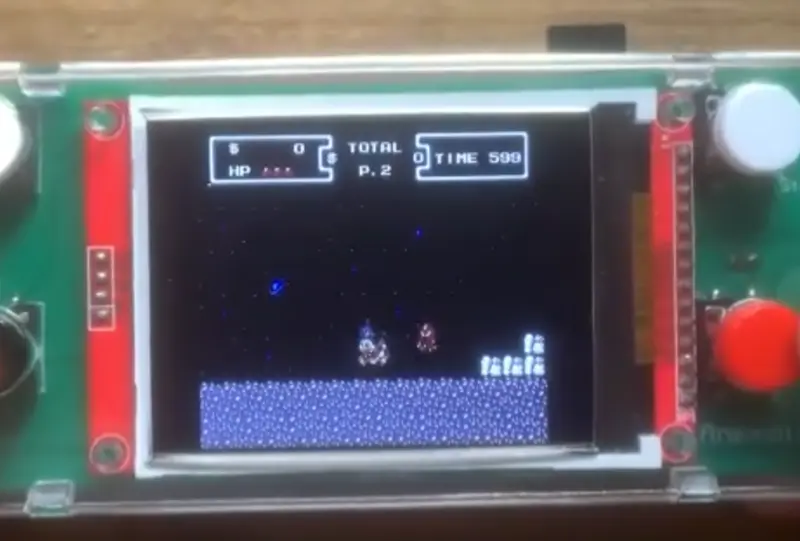
An optimized Nintendo Entertainment System (NES) emulator rewritten for the ESP32 platform. It supports full audio emulation and achieves native speeds on dual-core ESP32 hardware using the Arduino framework and TFT_eSPI library.
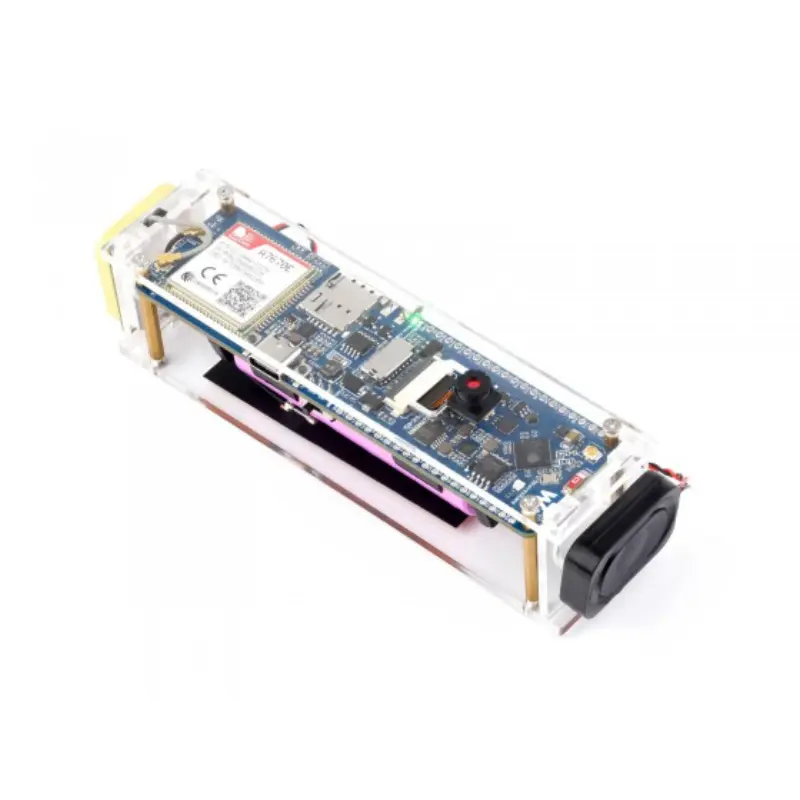
An ESP32-based firmware that extracts vehicle data via an ELM327 OBD2 adapter and transmits it to an MQTT broker over cellular networks. Designed for Home Assistant integration, it supports a wide range of LilyGO T-Call and Waveshare modules with integrated GSM/LTE and GPS capabilities.
OpenFIRE is an advanced open-source firmware for RP2040 and RP2350 microcontrollers, providing high-performance IR light gun tracking with perspective adjustment. It features dual-core optimization to separate input polling from camera processing, ensuring low latency and high responsiveness. The system supports a wide range of peripherals including solenoids, rumble motors, and OLED displays, all configurable via a dedicated desktop application.