Pico Claw Machine
A DIY claw machine project built using a Raspberry Pi Pico W and MicroPython. It features three-axis movement control using DC motor controllers and interfaces with a standard replacement claw mechanism and arcade-style controls.
140 projects using MicroPython
MicroPython is a lean and efficient implementation of the Python 3 programming language specifically optimized to run on microcontrollers and constrained embedded environments. It provides a complete Python compiler and runtime, a cross-compiler for bytecode, and a robust set of hardware-abstraction modules, allowing developers to write high-level code for hardware with as little as 16kiB of RAM.
A DIY claw machine project built using a Raspberry Pi Pico W and MicroPython. It features three-axis movement control using DC motor controllers and interfaces with a standard replacement claw mechanism and arcade-style controls.
An IoT weather visualization project developed for the HackConRD 2025 badge using an ESP32C3 microcontroller and MicroPython. The system fetches real-time meteorological data from the OpenWeatherMap API to drive a 31-LED matrix representing the provinces of the Dominican Republic, mapping temperature and rain conditions to specific LED colors.
A MicroPython binding for the ESP-DL deep learning library, enabling computer vision tasks on ESP32 devices. It supports face detection, recognition, human and cat detection, and image classification using ESP-IDF 5.4.2 and MicroPython 1.26.0 or later.
An external C module that integrates Tencent's ncnn high-performance neural network inference framework into MicroPython. It enables object-oriented AI model execution on resource-constrained microcontrollers such as ESP32 and STM32, providing a Pythonic interface for embedded AI.
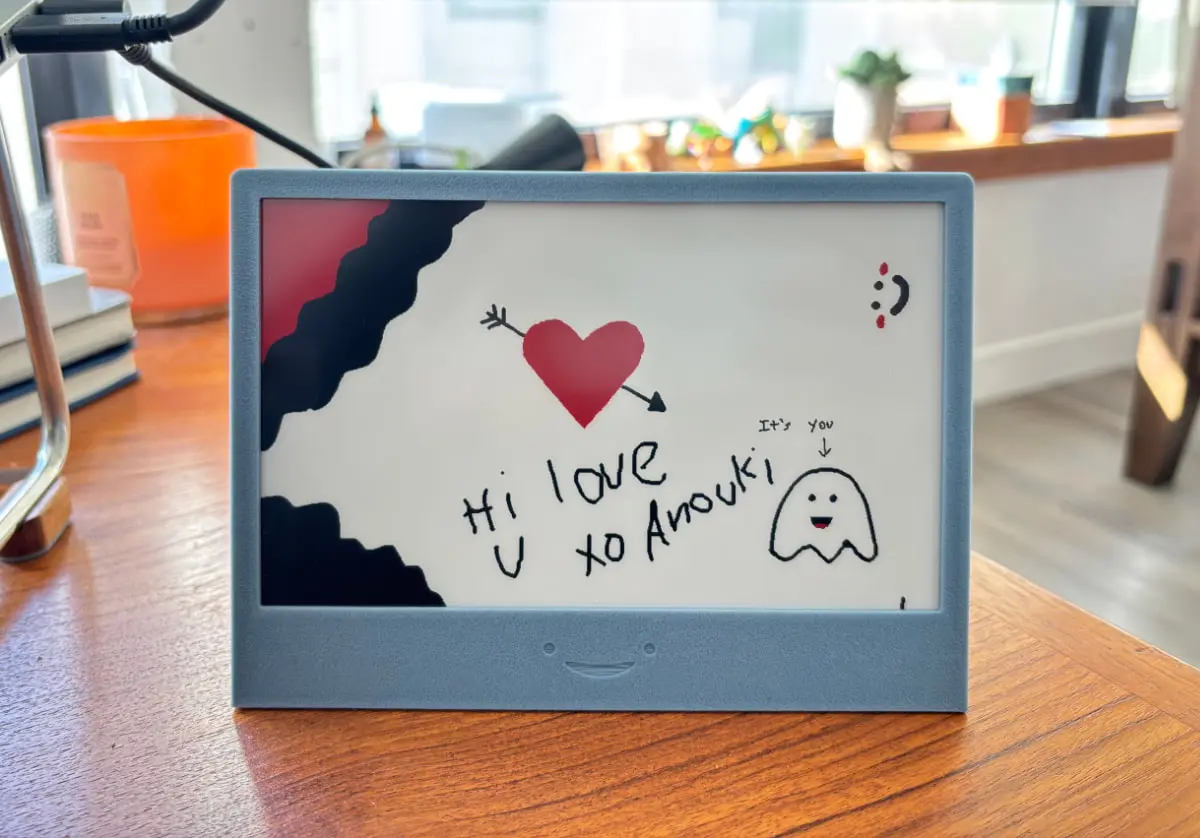
A real-time collaborative drawing system that synchronizes a web-based canvas to a 7.5-inch tri-color e-paper display. The project uses an ESP32 microcontroller running CircuitPython to fetch and render drawings from a central server via WebSockets and BMP processing.
MaixFace is an AI-powered face recognition and access control system designed for the Maixduino (K210) platform. It supports persistent face feature storage on SD cards, remote enrollment via network interfaces, and HTTP-based event triggering for IoT automation. The project is built using MaixPy and is compatible with ESP32 or PC-based servers for remote management.
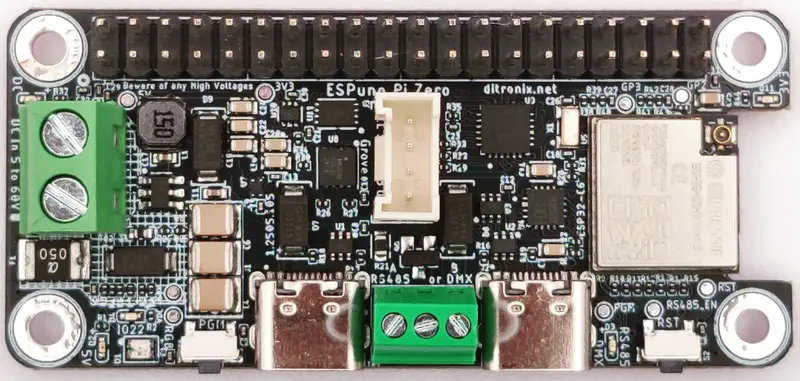
An ESP32-C6 based development board in the Raspberry Pi Zero form factor, designed for high-voltage industrial and IoT applications. It features integrated support for Wi-Fi 6, Bluetooth, Zigbee, and Thread, alongside RS-485/DMX interfaces and a wide 5-60V DC power input range.
A modular framework for deploying smart home nodes using MicroPython and MQTT. It provides standardized base classes for sensors and switches, supports Home Assistant MQTT discovery, and targets ESP32, ESP8266, and Unix platforms using asynchronous I/O.
A high-performance MicroPython driver for ST7789 and compatible LCD displays, featuring support for hardware scrolling, custom fonts, and bitmap drawing. It is optimized for ESP32 and RP2040 microcontrollers and supports a wide range of display resolutions and color configurations.
Mocket is a socket mocking framework for Python that monkey-patches the socket and ssl modules to intercept network traffic. It provides built-in support for HTTP, HTTPS, and Redis, and is compatible with asyncio, gevent, and MicroPython's urequests. It is primarily used as a testing utility to simulate network responses and record real socket traffic for playback.
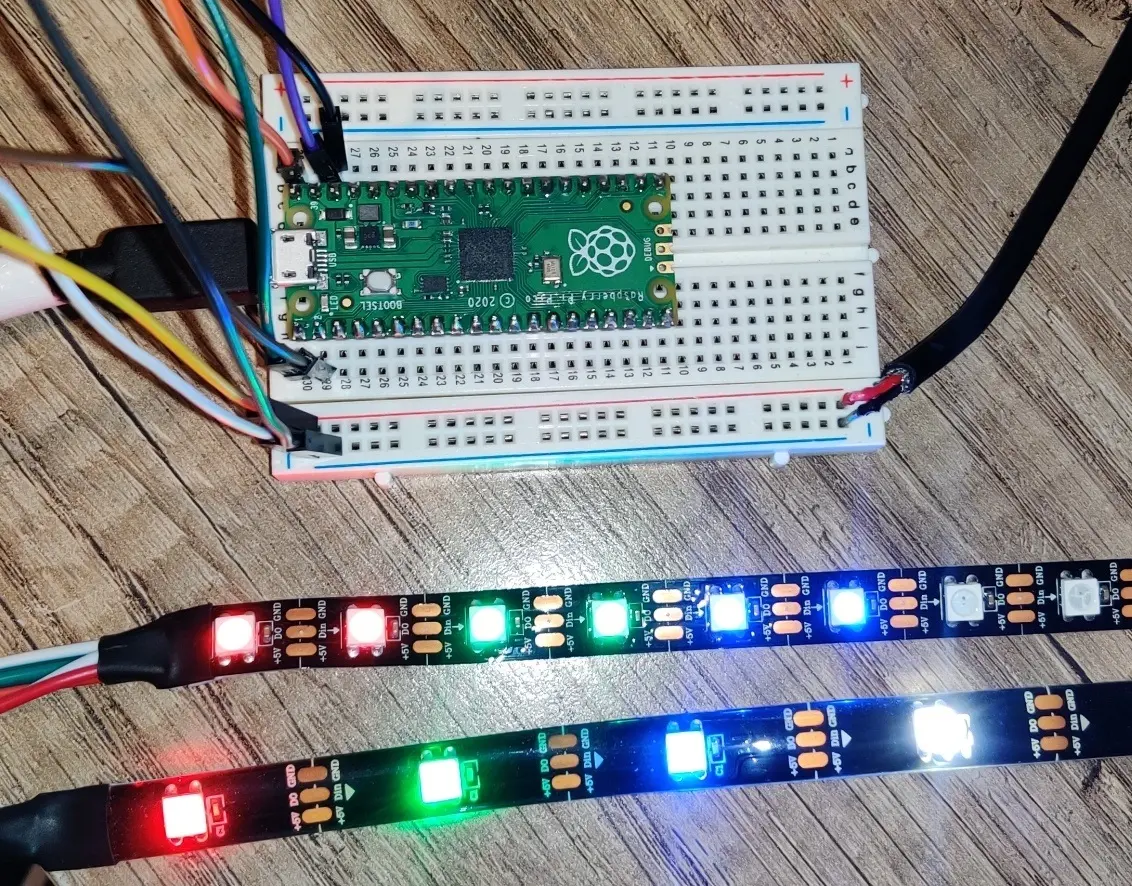
A MicroPython library for controlling WS2812B and SK6812 LEDs on the Raspberry Pi Pico. It leverages the RP2040's Programmable I/O (PIO) and DMA capabilities to provide efficient, non-blocking LED control for both RGB and RGBW strips.
An object-oriented modification of ChaN's FatFs Generic FAT File System Module. It enables the creation of multiple independent FAT filesystems by ensuring all functions take a pointer to the filesystem state as their first argument, facilitating integration with diverse drivers and filesystem types.
Picotui is a minimalist Text User Interface (TUI) widget library for Python 3 and Pycopy. It provides a comprehensive set of widgets including dropdowns, menus, and dialogs without relying on the curses library. Designed with a 'Keep It Simple, Stupid' (KISS) philosophy, it is particularly well-suited for resource-constrained environments and minimalist Python implementations.
A minimalist, asynchronous web micro-framework designed for the Pycopy Python implementation. It features a small memory footprint of approximately 36K heap and provides a Flask-like API for developing web applications on resource-constrained embedded systems and bare-metal platforms.
A minimalist and lightweight Python 3 implementation optimized for microcontrollers and embedded systems. It provides a highly portable core written in C, supporting a wide range of architectures from STM32 and ESP32 to POSIX-compliant systems.
A modular standard library for the Pycopy project, providing CPython-compatible modules and optimized 'micro' versions for resource-constrained embedded systems. It supports both the Pycopy Unix port and bare-metal targets like the ESP8266, allowing for a flexible, lightweight Python environment.
A DOS-like shell for MicroPython and CircuitPython microcontroller boards including RP2040, ESP32, and STM32. It provides a command-line interface with standard DOS commands, batch file support, and a suite of external utilities like a BASIC interpreter and text editors.

A comprehensive educational series for children to learn Python programming using the BBC micro:bit development board. It covers fundamental concepts from basic I/O and data types to advanced topics like classes and unit testing using MicroPython.
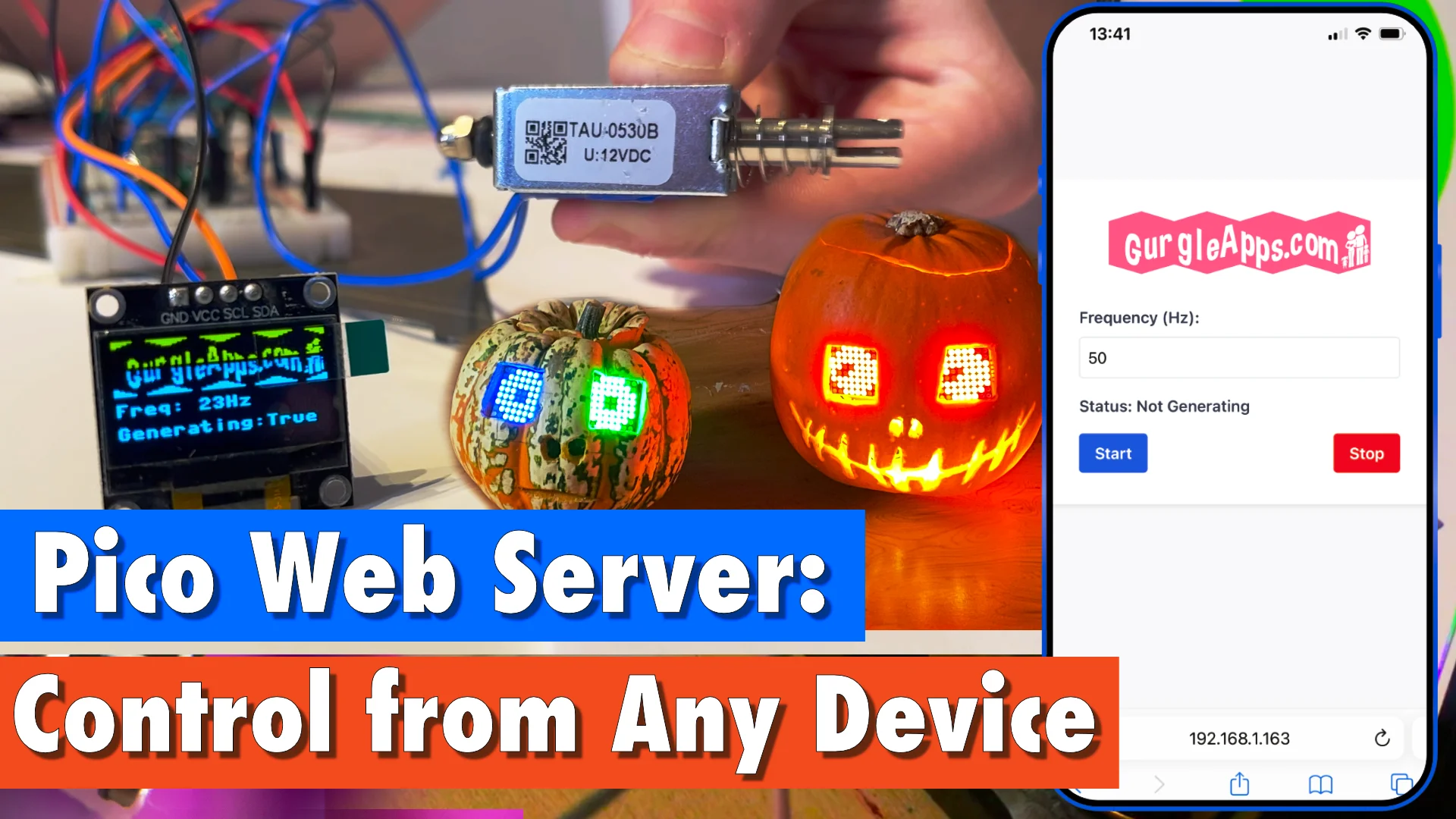
A MicroPython-based web server framework for Raspberry Pi Pico, ESP8266, and ESP32 microcontrollers. It provides a browser-based interface to execute Python functions remotely, serve dynamic content, and manage files, with specific optimizations for memory-constrained devices.
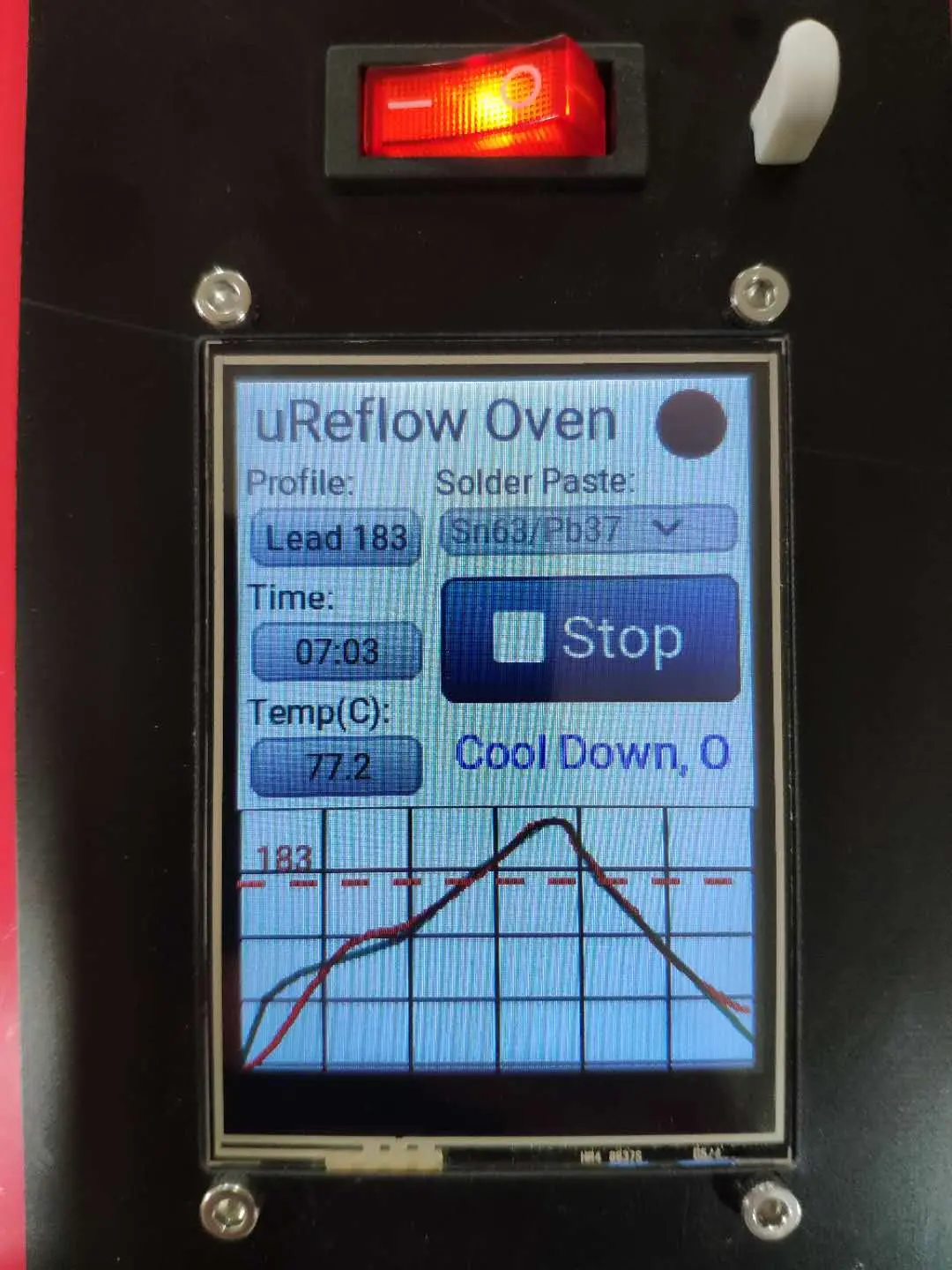
A PID-controlled reflow oven controller built for the ESP32 using MicroPython and the LVGL graphics library. It features a touch-screen interface for selecting solder profiles, real-time temperature monitoring via thermocouple amplifiers, and remote configuration via FTP.
A comprehensive resource repository for the Microchip SAMA5D27 Cortex-A5 MPU, providing extensive documentation and guides for Linux development, bare-metal programming, and various RTOS ports. It features in-depth tutorials for NuttX, RT-Thread, and ThreadX, including driver integration for LVGL, EtherCAT, and TensorFlow Lite.
A lightweight Over The Air (OTA) update solution for MicroPython projects targeting ESP8266 and ESP32 microcontrollers. It synchronizes local files with remote GitHub repositories by comparing SHA1 hashes to ensure devices are running the latest code.
A lightweight, POSIX-like operating system environment written in MicroPython for microcontrollers. It provides a command-line interface for file management, system monitoring, and running user scripts on hardware like the Seeed Studio XIAO RP2040 and ESP8266.
A high-performance C-based driver for ST7789 display controllers in MicroPython. It supports ESP8266, ESP32, and STM32 platforms, providing fast drawing routines and support for various display resolutions including 240x240 and 135x240.
The official hardware design repository for the MicroPython board (pyboard), a development platform based on the STM32F405RGT6 microcontroller. It provides the schematics, PCB layouts, and pinout diagrams for the reference hardware specifically optimized to run the MicroPython programming language.
A lightweight, asynchronous HTTP server specifically designed for MicroPython environments on microcontrollers like the ESP8266 and ESP32. It leverages the uasyncio library to provide a non-blocking, single-threaded server with an API inspired by Flask, making it ideal for building modern web interfaces and RESTful services on IoT devices with limited RAM.
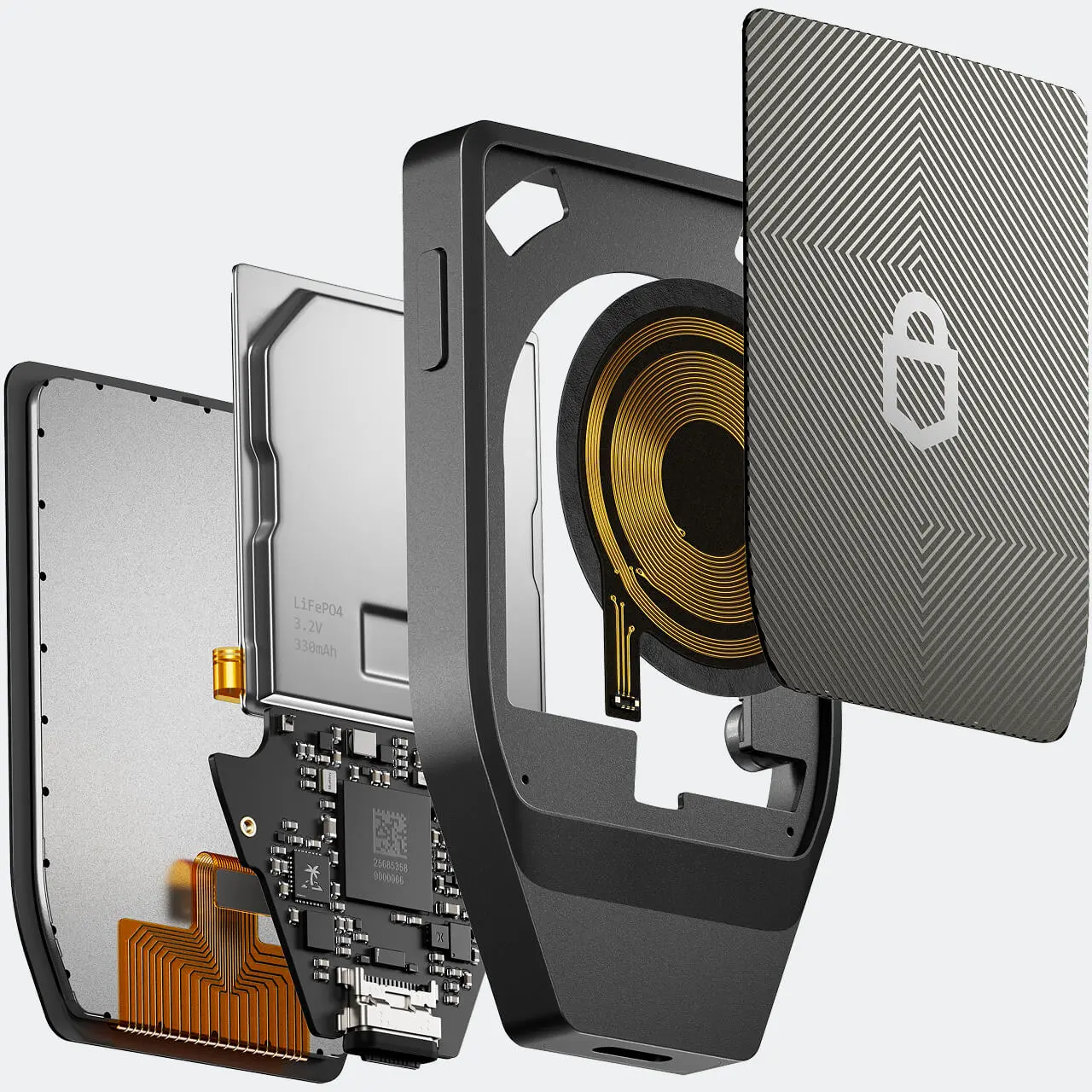
The official firmware for Trezor hardware wallets, supporting both the Trezor Model T and Trezor One. It features a modular architecture including a MicroPython-based core for modern devices and a legacy C implementation, backed by custom cryptographic and storage libraries.
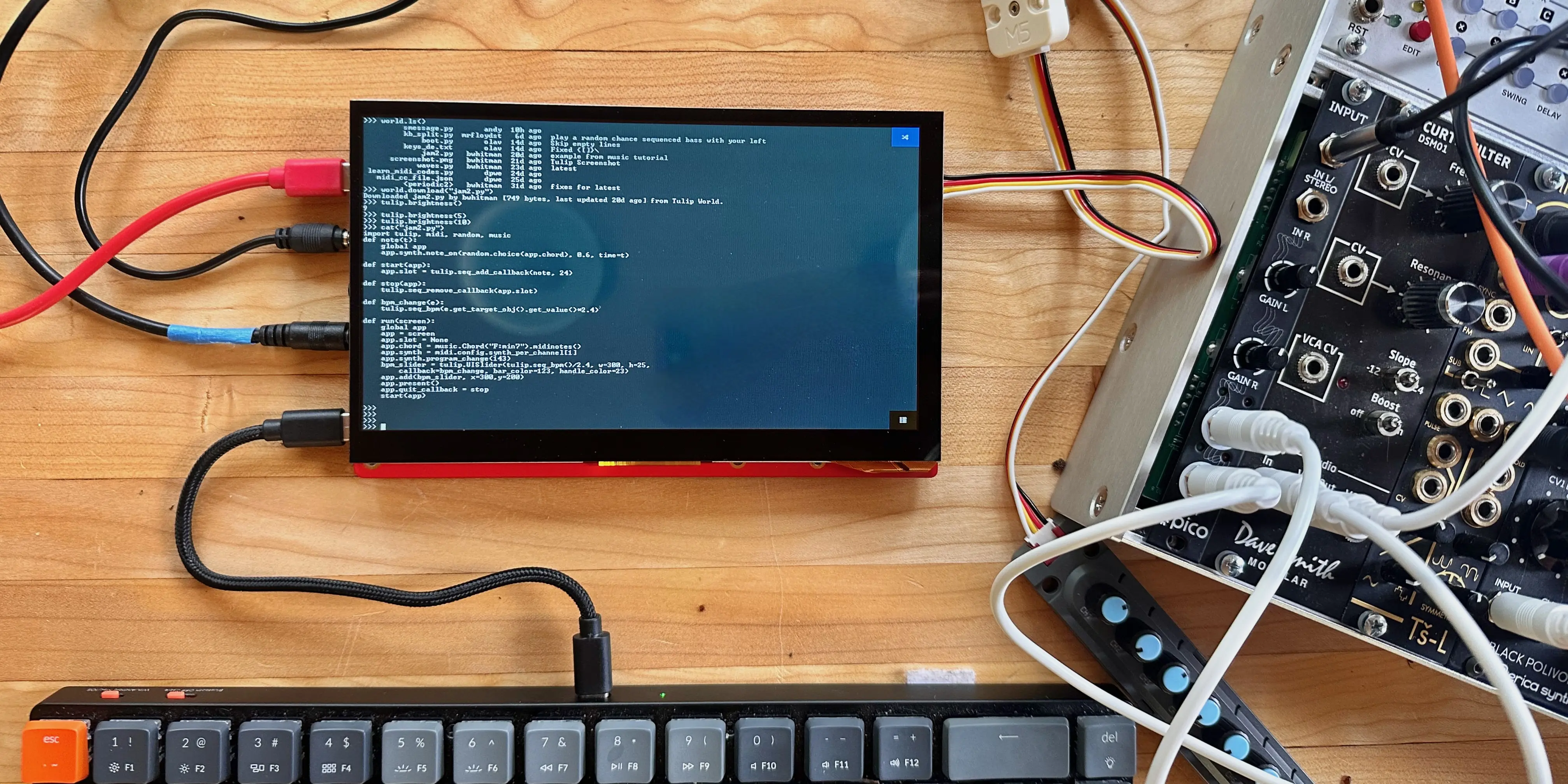
A portable, self-contained computer powered by the ESP32-S3 and MicroPython, designed for music synthesis, graphics, and coding. It features a dedicated 120-voice synthesizer engine, multi-layer GPU support, and integrated LVGL for user interface elements. The system boots directly into a Python prompt, providing a distraction-free environment for creative programming.
A pure Python Bluetooth Low Energy (BLE) driver designed for MicroPython environments. It enables parsing and building of HCI packets, specifically supporting the STMicroelectronics SPBTLE-RF module and BlueNRG-MS stack on platforms like the PyBoard.
A MicroPython-based video streaming application designed for ESP32-CAM and M5Camera modules. It provides a web-based interface for real-time video streaming and photo capture using a custom MicroPython firmware with integrated camera drivers.
Wasp-os is a MicroPython-based firmware for nRF52-powered smartwatches, including the Pine64 PineTime. It provides a complete wearable operating system with heart rate monitoring, step counting, and a variety of applications, all accessible via an interactive Python REPL for real-time development.
A web-based WiFi configuration tool for ESP8266 and ESP32 microcontrollers running MicroPython. It provides a captive portal interface to scan for networks, enter credentials, and persist them to the device's local storage.
An in-place over-the-air (OTA) update solution for the ESP8266 WiFi SoC designed for large firmwares on small flash devices. It features a dual-stage bootloader architecture with RSA-signed UDP updates, eliminating the need for redundant flash partitions.
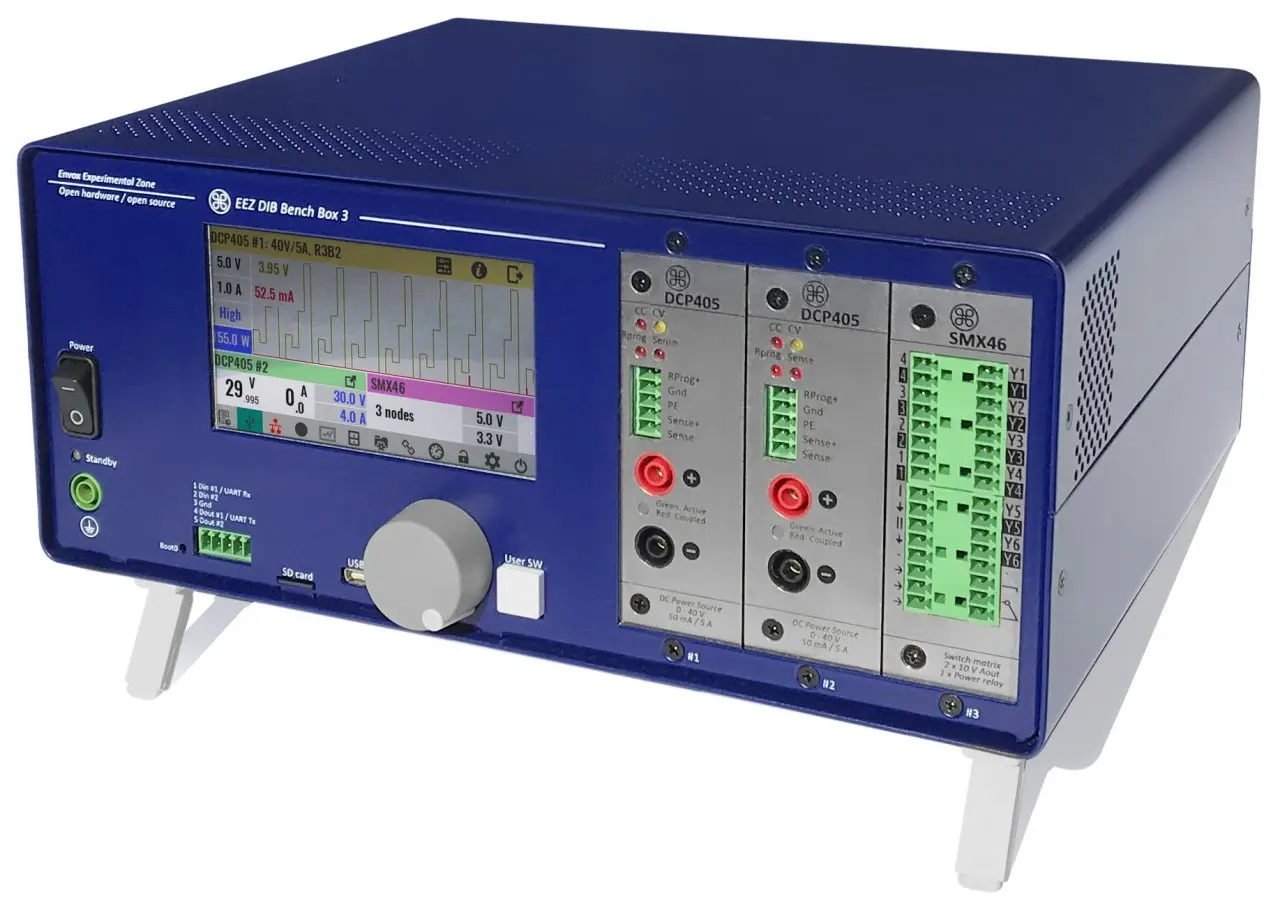
An open-source modular Test and Measurement platform centered around an STM32F769 ARM Cortex-M7 MCU. It provides a complete hardware and software framework for modular power supplies and data acquisition, supporting visual programming via EEZ Flow, SCPI commands, and MicroPython scripting.
A bare-metal port of MicroPython for the Raspberry Pi Zero, Zero W, and Raspberry Pi 2. It enables running Python code directly on the hardware without an underlying operating system. The project includes drivers for USB host support and SD card access, allowing for a standalone Python environment on classic Raspberry Pi boards.
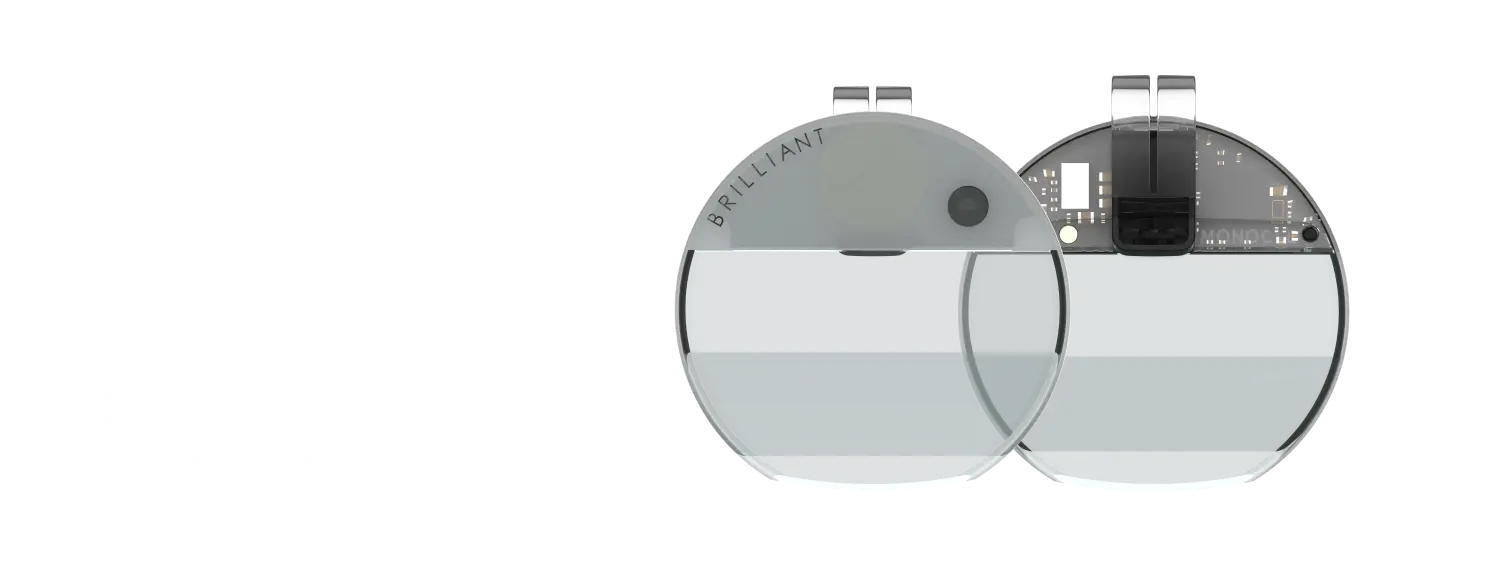
A custom MicroPython firmware deployment specifically designed for the Monocle AR glasses. It integrates the Nordic nRF52832 SoC with support for Bluetooth LE, FPGA-driven displays, and camera modules using the LittleFS file system and Nordic SoftDevice.