MicroPython for W601 IoT Board
A MicroPython port for the WinnerMicro W601 IoT Board based on the RT-Thread RTOS. It enables high-level Python programming for hardware peripherals and WiFi networking on the Cortex-M3 platform.
138 projects using MicroPython
MicroPython is a lean and efficient implementation of the Python 3 programming language specifically optimized to run on microcontrollers and constrained embedded environments. It provides a complete Python compiler and runtime, a cross-compiler for bytecode, and a robust set of hardware-abstraction modules, allowing developers to write high-level code for hardware with as little as 16kiB of RAM.
A MicroPython port for the WinnerMicro W601 IoT Board based on the RT-Thread RTOS. It enables high-level Python programming for hardware peripherals and WiFi networking on the Cortex-M3 platform.
A library for MicroPython that implements Human Interface Device (HID) functionality over Bluetooth Low Energy (BLE). It provides ready-to-use classes for Keyboards, Mice, and Joysticks, specifically optimized for ESP32 microcontrollers.
A comprehensive collection of MicroPython example code for implementing the I2S protocol on various microcontrollers. It enables audio playback of WAV files and microphone recording on STM32, ESP32, RP2040, and i.MX RT platforms.
A collection of MicroPython abstractions and helper libraries designed for the M5Stack development kit. It simplifies hardware interaction for the display, buttons, speaker, and power management using the Loboris ESP32 MicroPython fork.
A comprehensive collection of Python modules and packages optimized for MicroPython. It includes compatible subsets of the Python Standard Library, hardware drivers, and extensions for the wider Python ecosystem designed for resource-constrained embedded systems.
A MicroPython driver for the MAX7219 8x8 LED matrix, supporting SPI communication and cascading multiple displays. It integrates with the native framebuf module to provide easy drawing of text, shapes, and animations on ESP32, ESP8266, and PyBoard platforms.
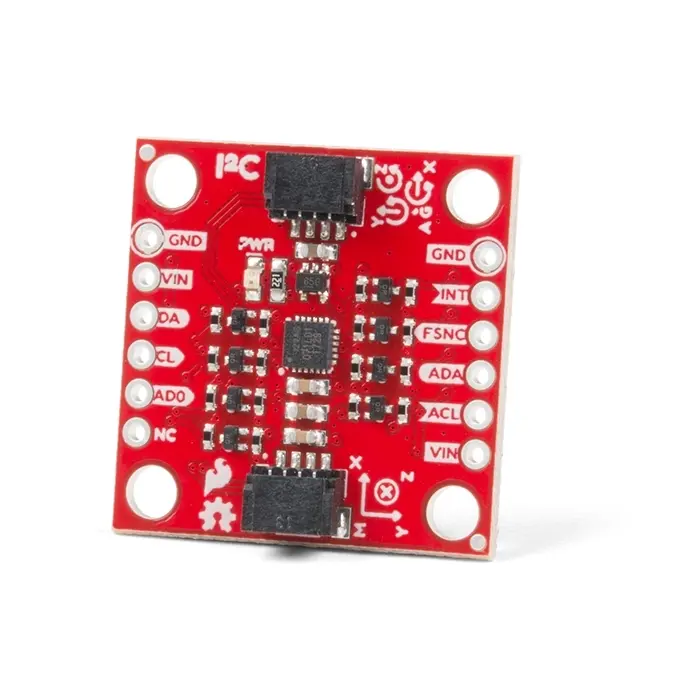
A comprehensive MicroPython driver for the MPU-9250 9-axis motion tracking device, combining support for the MPU-6500 accelerometer/gyroscope and the AK8963 magnetometer. It provides high-level APIs for motion sensing, temperature readings, and magnetometer calibration over I2C.
A comprehensive MicroPython library for InvenSense MPU9150, MPU9250, and MPU6050 sensors. It features a robust 3D vector class, sensor calibration tools, and support for vehicle-relative coordinate mapping, specifically optimized for the Pyboard and other MicroPython-compatible hardware.
A MicroPython implementation of the Madgwick sensor fusion algorithm for calculating orientation from IMU data. It provides both synchronous and asynchronous (uasyncio) interfaces for 6DOF and 9DOF sensors. Designed for high performance on microcontrollers like the Pyboard, it enables real-time tracking of heading, pitch, and roll.
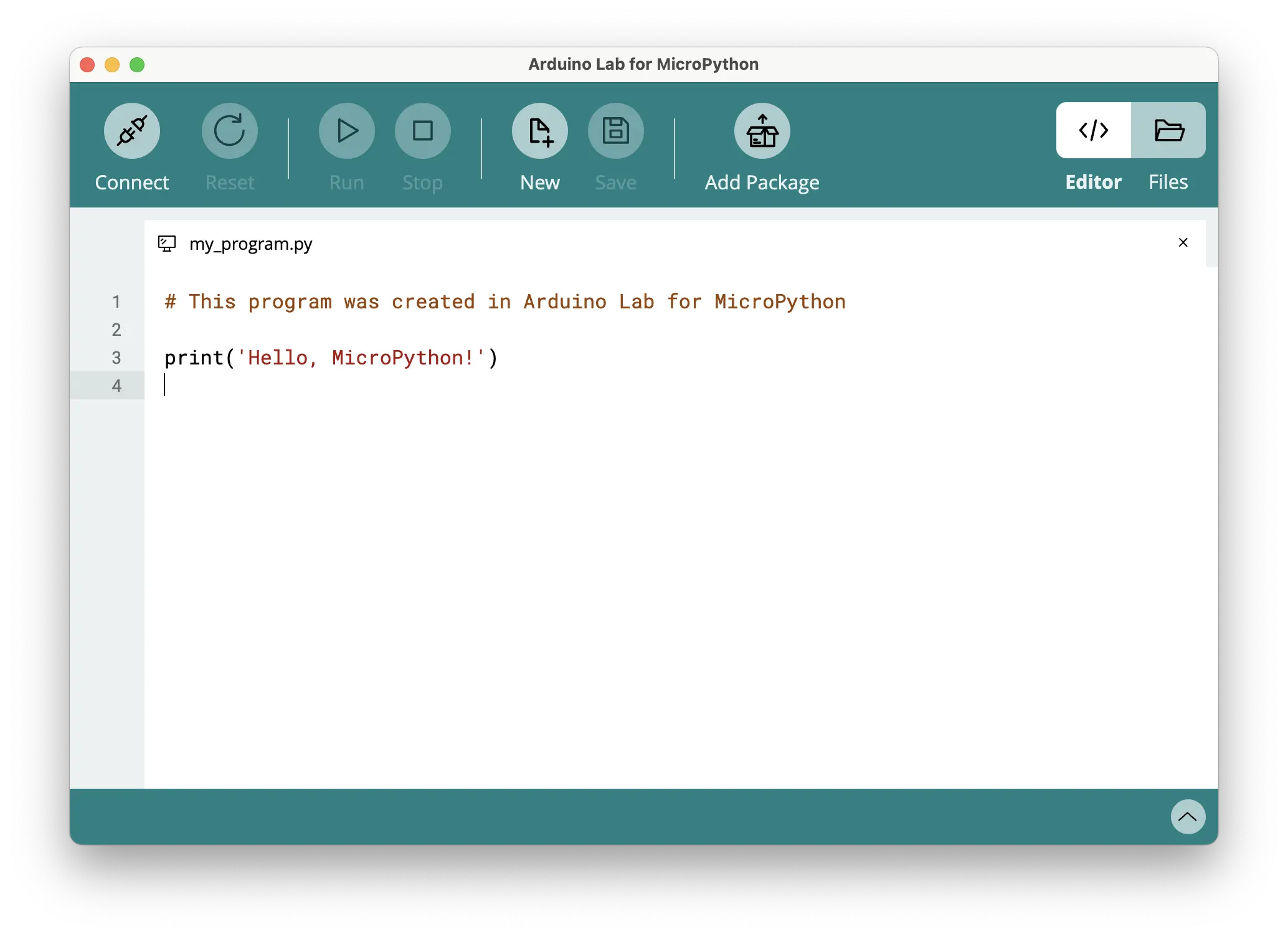
A lightweight, Electron-based editor for MicroPython development. It supports serial communication with microcontrollers to provide an interactive REPL, file system management, and direct code execution.
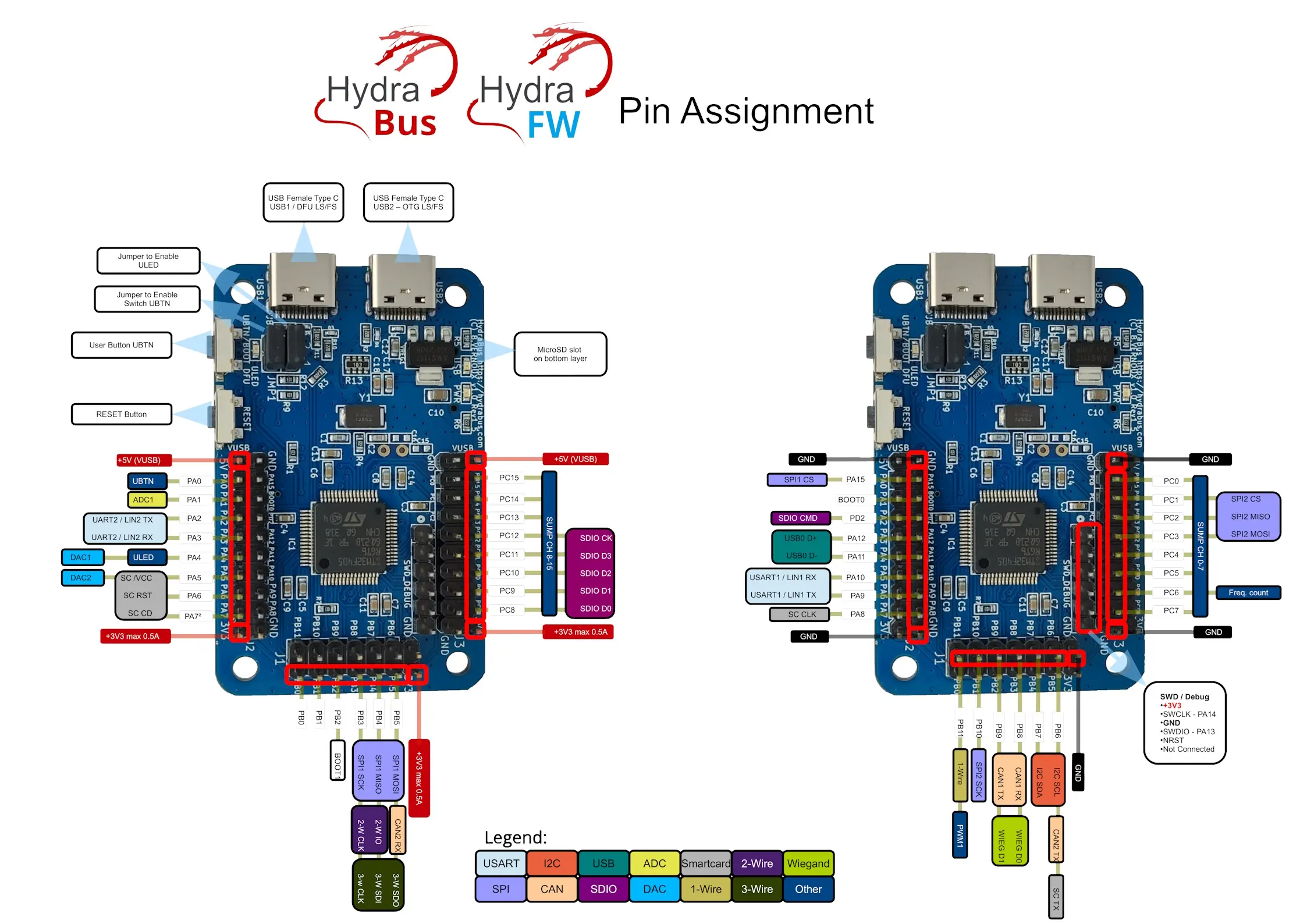
HydraBus is an open-source multi-tool hardware platform designed for hardware hacking, debugging, and protocol analysis. It supports various firmware configurations including HydraFW, a MicroPython port, and the Black Magic Probe for JTAG/SWD debugging. The platform targets STM32 microcontrollers and provides a versatile interface for interacting with various hardware protocols.
A Jupyter notebook kernel for interacting with MicroPython-based microcontrollers like the ESP8266 and ESP32. It supports serial REPL and WebREPL connections, enabling interactive coding, file transfers, and firmware flashing directly from a notebook environment.
A feature-rich and beginner-friendly keyboard firmware written in CircuitPython. It enables easy configuration of mechanical keyboards via a single Python file and supports advanced features like split layouts, RGB lighting, and Bluetooth HID.
A specialized IDE plugin for PyCharm and IntelliJ IDEA that provides a complete development environment for MicroPython devices. It includes features for code completion, syntax checking, direct firmware flashing, and an integrated REPL for hardware like the ESP8266, PyBoard, and Raspberry Pi Pico.
This project provides source code and resources for developing on the ESP8266 platform with a focus on MicroPython. It enables Python-based firmware development for the popular Wi-Fi SoC, facilitating rapid prototyping of IoT applications.
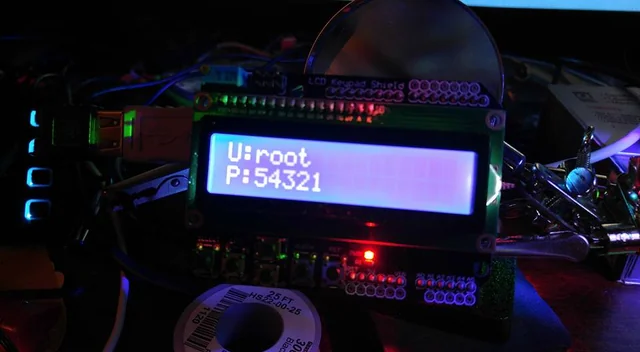
A MicroPython-based honeypot designed for the ESP8266 microcontroller that emulates a Telnet server. It features a simulated command-line interface with fake system information and logs attacker activity to external services like dweet.io.
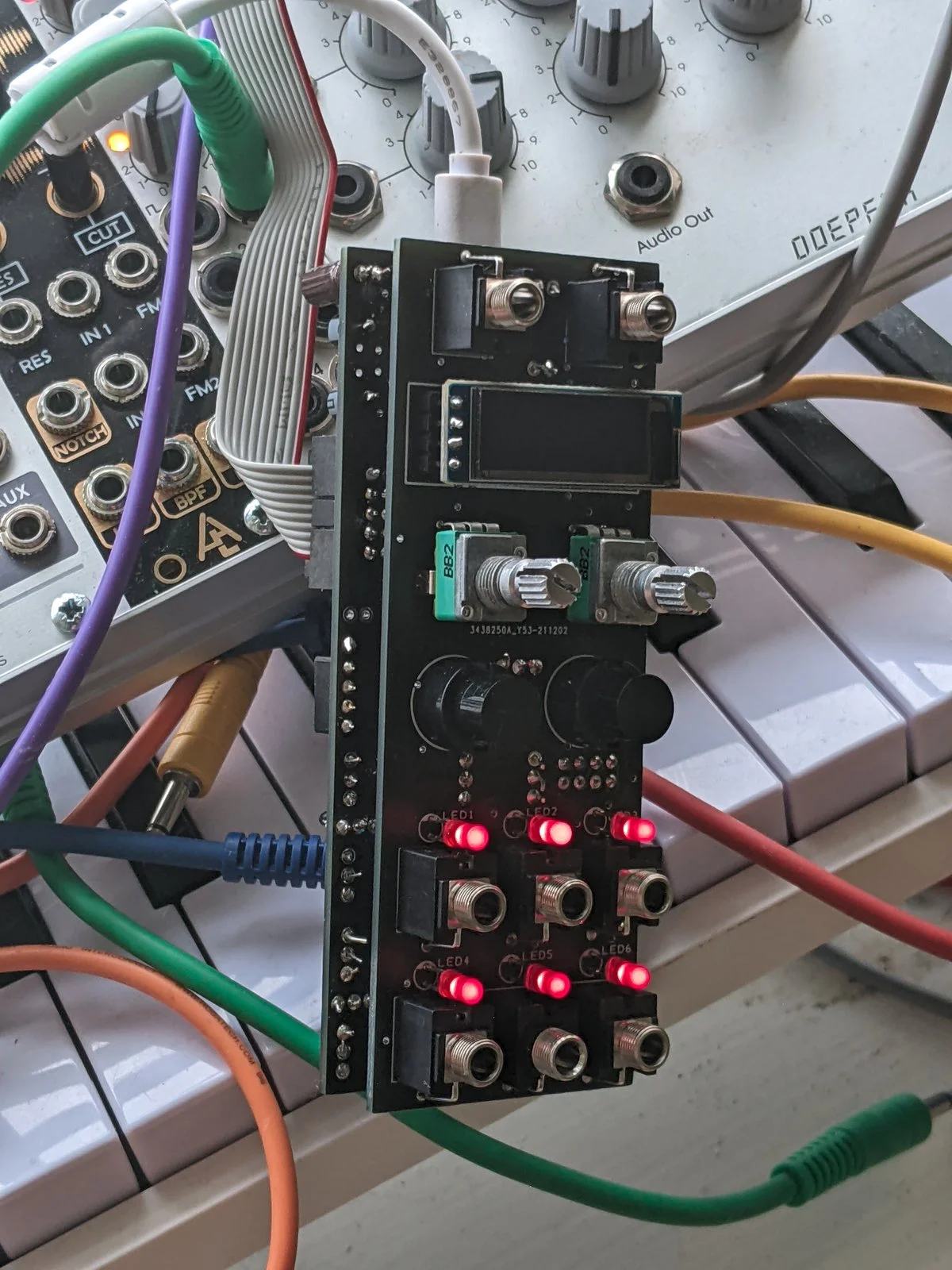
A fully user-reprogrammable Eurorack module based on the Raspberry Pi Pico. It allows users to process control voltages and digital signals using MicroPython, featuring 6 CV outputs, an OLED display, and a comprehensive firmware API for custom synth script development.
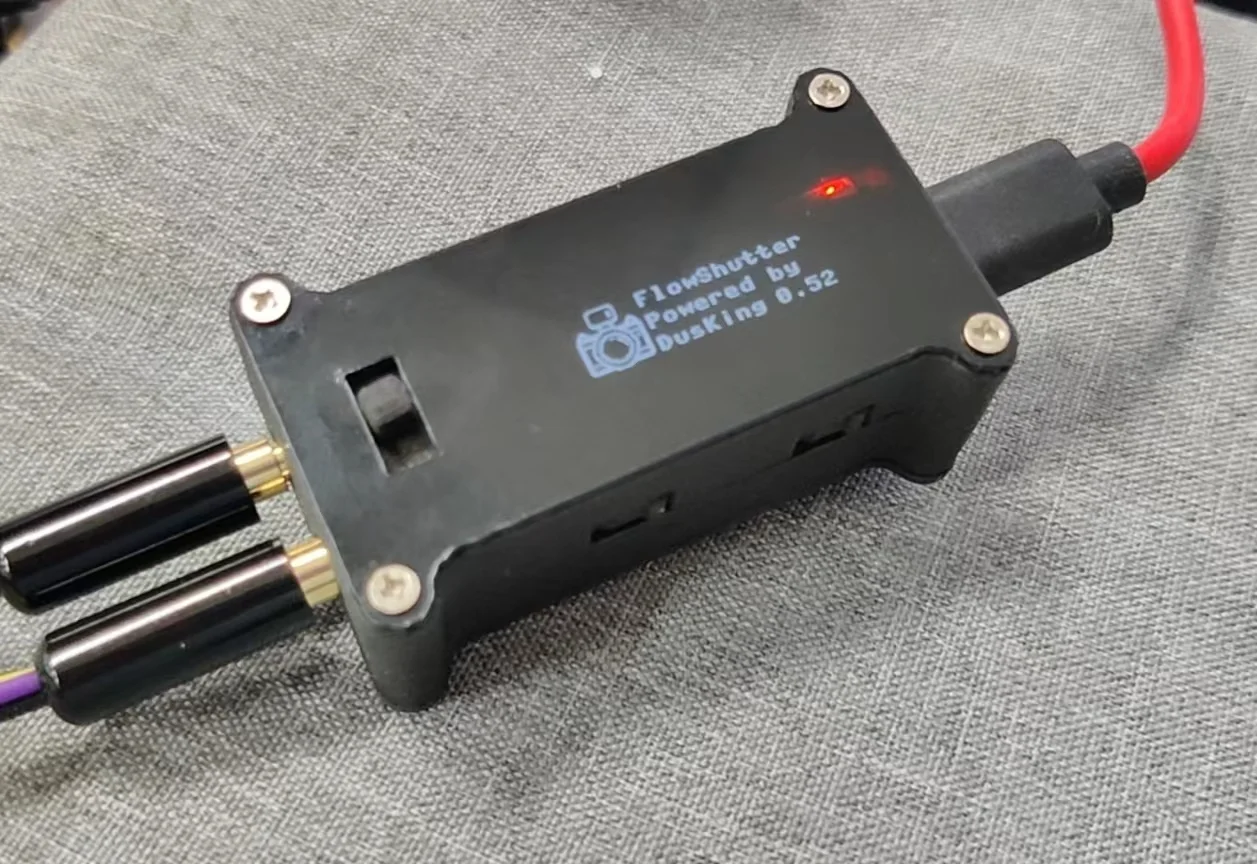
A custom camera remote and motion logger for Gyroflow that synchronizes video recording with flight controller data. It runs on ESP32 hardware using MicroPython and supports various camera protocols including Sony MULTI, LANC, and ZCAM UART.
The official firmware for the SHA2017 hacker camp badge, built on the Espressif ESP-IDF framework and FreeRTOS. It provides a robust platform featuring a MicroPython runtime, uGFX graphics support for E-ink displays, and integrated WiFi connectivity for the ESP32-based hardware.
A curated collection of resources for CircuitPython, an Adafruit-supported fork of MicroPython designed for education and prototyping on microcontrollers. It provides a comprehensive directory of libraries, hardware support, tutorials, and community tools for the Python-on-hardware ecosystem.
A curated collection of libraries, frameworks, and resources for the MicroPython ecosystem. It serves as a comprehensive directory for developers working with Python on microcontrollers like the ESP32, ESP8266, and RP2040.
A curated collection of high-quality resources, libraries, tools, and learning materials for the Zephyr RTOS ecosystem. It serves as a comprehensive directory for developers looking for official documentation, community-supported libraries, and hardware platforms compatible with Zephyr.
The official documentation repository for the Blinker IoT platform, providing comprehensive guides for connecting embedded devices to the cloud. It supports a wide range of hardware including ESP32, ESP8266, and Arduino, with SDKs for FreeRTOS, Python, and Node.js.
Broccoli is a distributed task queue framework designed for ESP32 clusters, enabling parallel task execution across multiple MicroPython-based nodes. Inspired by Celery, it provides a scalable way to manage workloads in embedded environments using a cluster of low-cost microcontrollers.
A specialized MicroPython port for the ESP32-CAM module that integrates camera support directly into the firmware. It features a custom C-based camera module, support for LittleFS to optimize RAM usage, and includes various asynchronous web server examples for streaming video and capturing images.
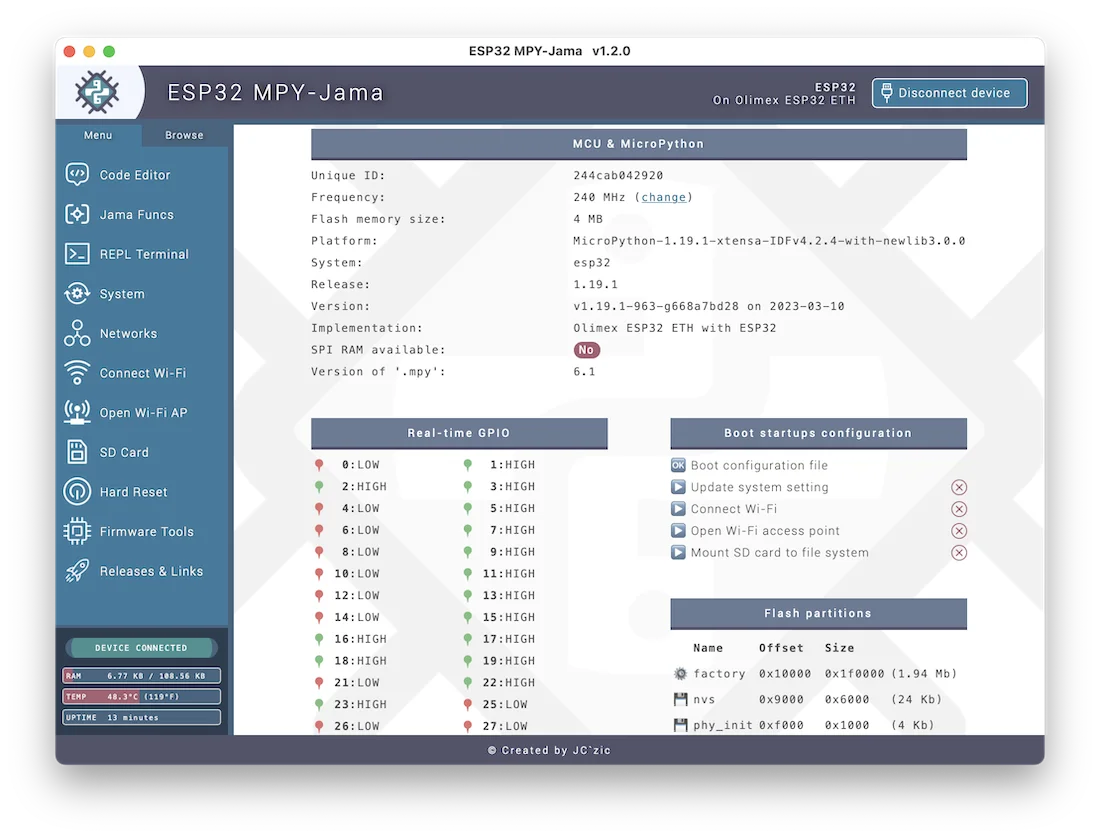
ESP32 MPY-Jama is a cross-platform desktop IDE and management tool designed for Espressif ESP32 microcontrollers running MicroPython. It provides a graphical interface for file management, real-time system monitoring, network configuration, and firmware flashing. The project simplifies IoT development by offering built-in 'Jama Funcs' for rapid testing of peripherals like sensors, LEDs, and displays.
The official blog repository for the LVGL (Light and Versatile Graphics Library) project, featuring technical articles, release notes, and hardware reviews. It serves as a community hub for sharing experiences, porting guides, and GUI development tips using LVGL on various embedded platforms.
This repository provides the board definition files required to run MicroPython on the MCUDev Black STM32F407VET6 development board. It includes hardware-specific configurations for the STM32F407VET6 MCU, onboard SPI Flash, SD card slot, and various peripheral headers.
A lightweight, asynchronous menu system for MicroPython designed for rotary encoders and OLED displays. It provides a flexible framework for creating submenus, handling user input, and managing non-blocking tasks on platforms like the Raspberry Pi Pico and ESP32.
PyEspCar is an open-source robotics platform based on the ESP32 and MicroPython, designed for computer vision and motion control education. It features a dual-layer metal chassis, a 2-DOF gimbal for camera mounting, and supports remote debugging via WebREPL and MQTT control.