HomeTiles
HomeTiles is a tile-based firmware for ESP32-P4 touch displays designed to function as a highly configurable Home Assistant dashboard. It utilizes LVGL for its touch-first UI and FreeRTOS for task management, providing features like MQTT integration, web-based drag-and-drop configuration, and on-device OTA updates. The project targets high-performance hardware including the M5Stack Tab5 and various Waveshare MIPI-DSI displays.
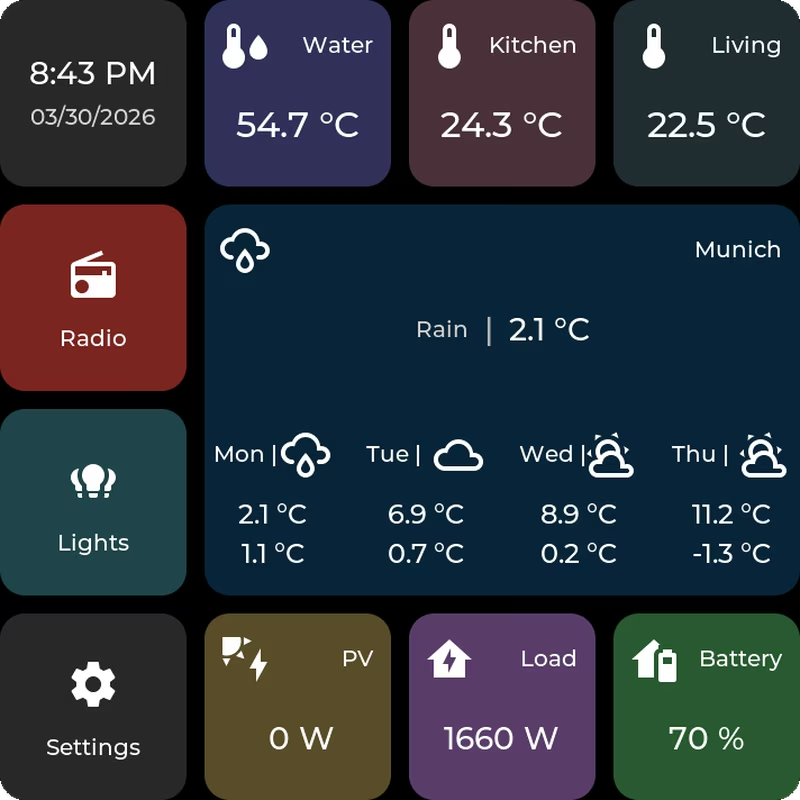
HomeTiles is a comprehensive firmware solution for ESP32-P4 touch displays, transforming them into dedicated smart home control panels. Formerly known as the ESP32-P4-HomeAssistant-Display, the project has evolved into a polished, tile-based dashboard system that integrates seamlessly with Home Assistant via MQTT. It provides a bridge between high-performance hardware and a user-friendly configuration experience through a built-in web administration panel.
Project Evolution and Requirements
The transition to the HomeTiles branding brought several quality-of-life improvements, such as a new boot splash screen and more reliable atomic storage for tile grids to prevent data corruption. To operate, the system requires a Home Assistant instance, an MQTT broker, and the dedicated HomeTiles Bridge integration. This bridge serves as the essential link, handling entity data and ensuring the display receives real-time updates from the smart home ecosystem.
Dashboard and UI Experience
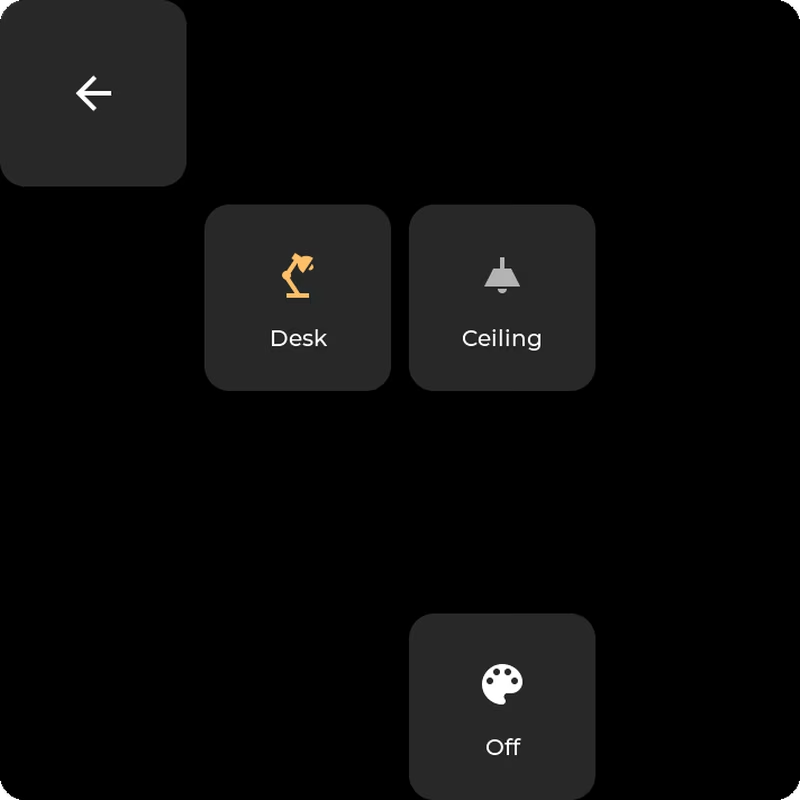
The core of the firmware is its touch-first, tile-based interface. Users can interact with a variety of tile types, including sensors, switches, media players with cover art, and energy statistics. The UI supports nested folder structures, allowing for organized navigation across different rooms or functions. Performance is a key focus, with recent releases introducing hardware-accelerated rotation and optimized draw paths for supported displays like the M5Stack Tab5 and Waveshare 8-inch models.
Web-Based Configuration
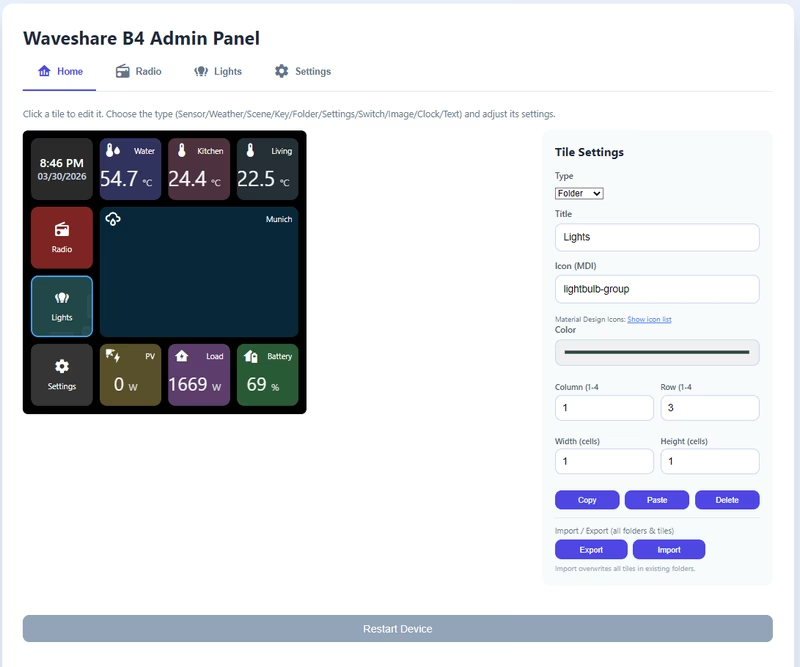
One of the standout features is the built-in web admin panel. This interface eliminates the need for manual code changes when adjusting the dashboard layout. Users can add, move, or resize tiles using a drag-and-drop editor directly in their browser. Beyond layout management, the web panel handles WiFi and MQTT settings, time zone configuration, and even provides a microSD file manager for uploading or deleting assets.
Supported Hardware
HomeTiles is specifically optimized for the ESP32-P4 platform. Currently supported devices include:
- M5Stack Tab5: A compact IoT development kit.
- Waveshare ESP32-P4-WIFI6-Touch-LCD-4B: A 4-inch MIPI-DSI display.
- Waveshare ESP32-P4-WIFI6-Touch-LCD-8: A larger 8-inch variant.
The firmware leverages the ESP32-P4’s power to handle complex rendering tasks, though users should note specific hardware quirks. For example, the M5Stack Tab5 requires careful brightness management when running in Access Point mode without a battery to prevent brownouts, while Waveshare displays may experience minor cosmetic flickering during flash writes due to current limitations in PSRAM access during MIPI-DSI operations.
System Features and Setup
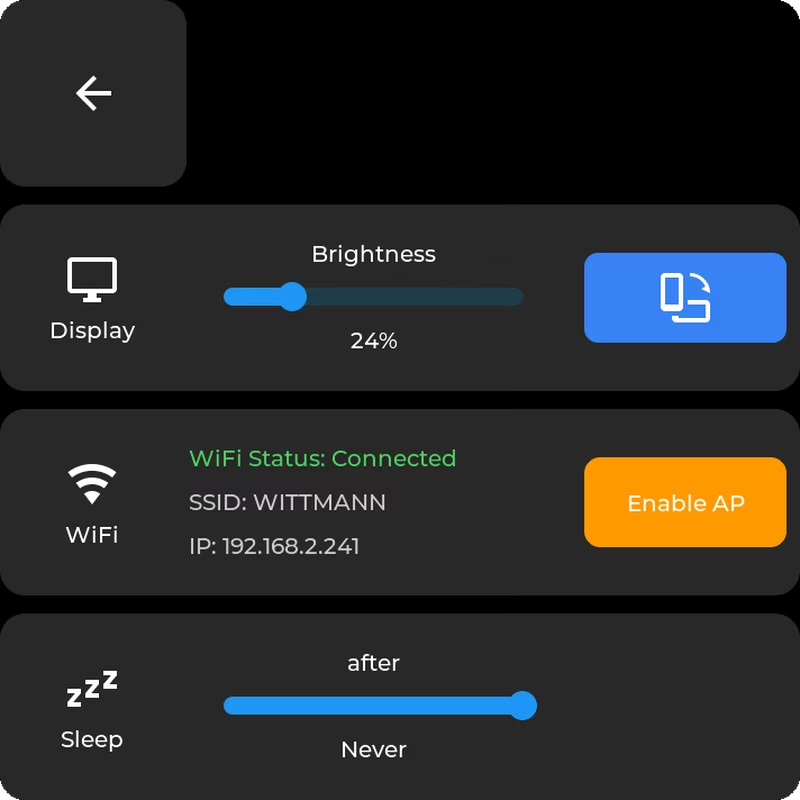
The firmware supports a robust set of system-level features, including on-device WiFi scanning with an on-screen keyboard and an Access Point mode with QR code support for easy commissioning. Firmware updates are simplified through an on-device updater that checks GitHub releases directly, as well as a web-based OTA upload tool.
For storage, the project utilizes the internal LittleFS partition for runtime configuration, making a microSD card optional. When present, the SD card enables additional functionality like screenshot exports and extended file management. The system also includes companion tooling, such as an Electron-based desktop app for sending PC metrics or simulated keyboard commands to the device, further extending its utility as a versatile desktop companion.
Related Projects
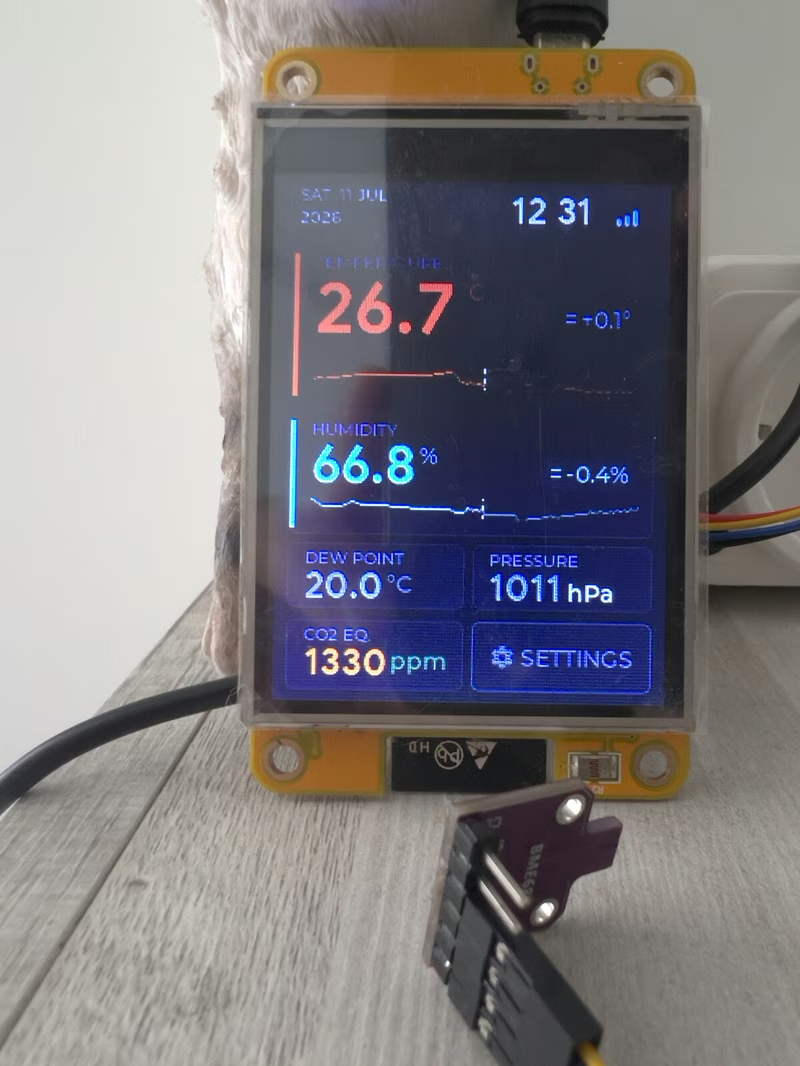
SensorStation3
SensorStation3 is an ESP32-based environmental monitoring station that utilizes FreeRTOS and the LVGL graphics library to provide a real-time touchscreen dashboard. It supports a variety of I2C sensors for tracking temperature, humidity, CO2, and atmospheric pressure, featuring seamless integration with Home Assistant and MQTT-based platforms.
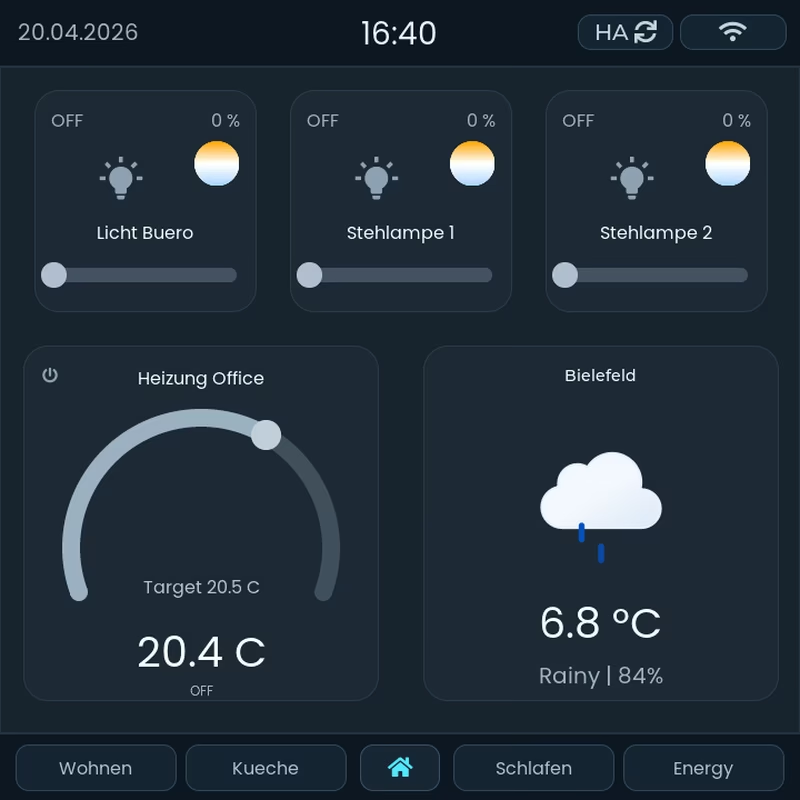
BETTA HA Panel
BETTA HA Panel is a runtime-configurable Home Assistant dashboard firmware for ESP32-P4 and ESP32-S3 touchscreen devices. Built on the ESP-IDF framework using LVGL and LittleFS, it allows users to design complex, multi-page layouts via a web-based drag-and-drop editor without requiring YAML configuration or firmware rebuilds.
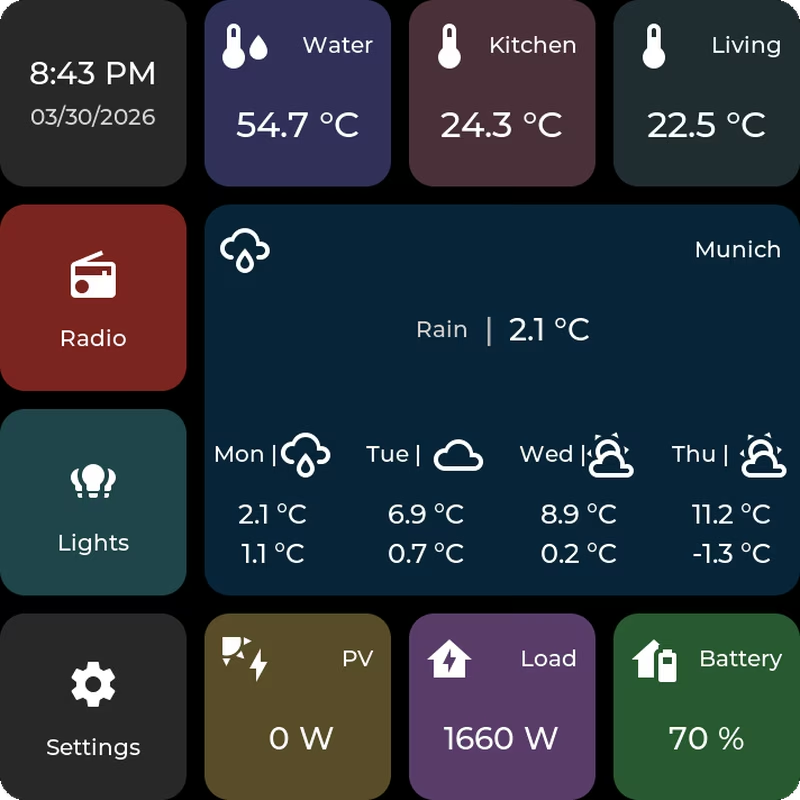
ESP32-P4 Home Assistant Display
A tile-based firmware for ESP32-P4 devices that creates a touch-first Home Assistant dashboard. It utilizes FreeRTOS and LVGL for the user interface, supporting MQTT integration and web-based configuration. The system targets ESP32-P4 hardware like the Waveshare B4 and M5Stack Tab5, featuring OTA updates and internal storage management via LittleFS.
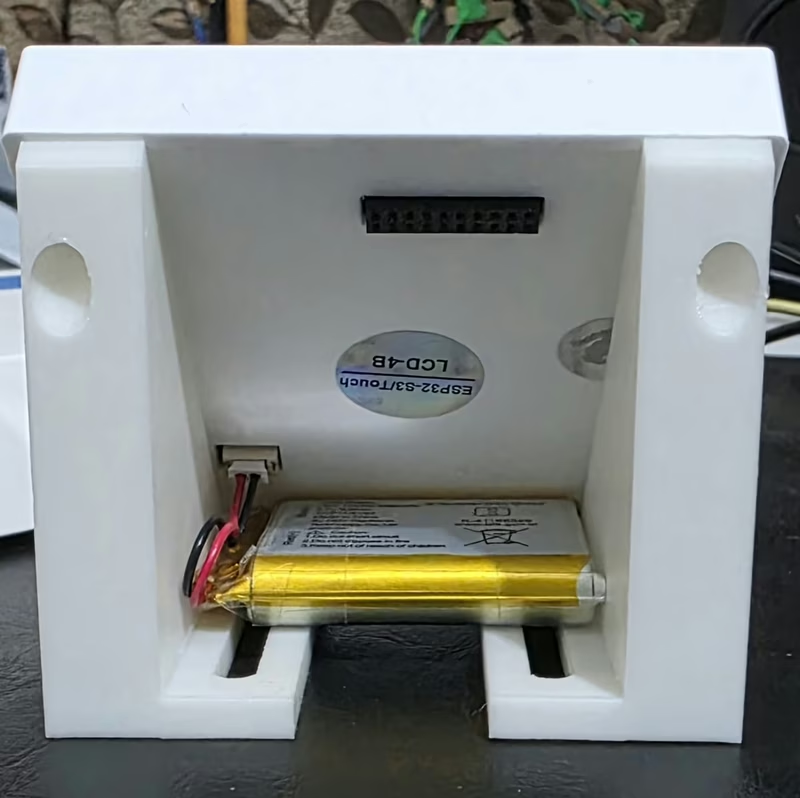
ESP32-S3 Smart Home Control Panel
A sophisticated touch-screen control interface for the Waveshare ESP32-S3-Touch-LCD-4B, featuring Home Assistant integration and real-time weather tracking. It utilizes the LVGL graphics library for a high-performance UI and implements advanced power management via the AXP2101 PMU.
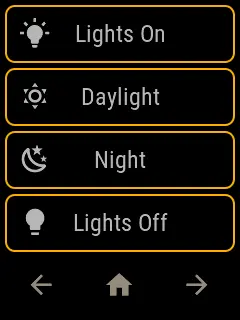
openHASP
A comprehensive firmware for ESP32 and STM32F4 microcontrollers that provides a customizable touchscreen UI controlled via MQTT. It utilizes the LVGL graphics library to drive various commodity displays, enabling home automation control through a flexible JSONL-based configuration.