XiaoClaw: AI Voice Assistant with Local Agent Brain
XiaoClaw is an integrated firmware for the ESP32-S3 that combines voice interaction with a local AI agent. It utilizes the ESP-IDF framework and FreeRTOS to provide a complete system for voice I/O, LLM-powered reasoning, tool calling, and autonomous task execution.
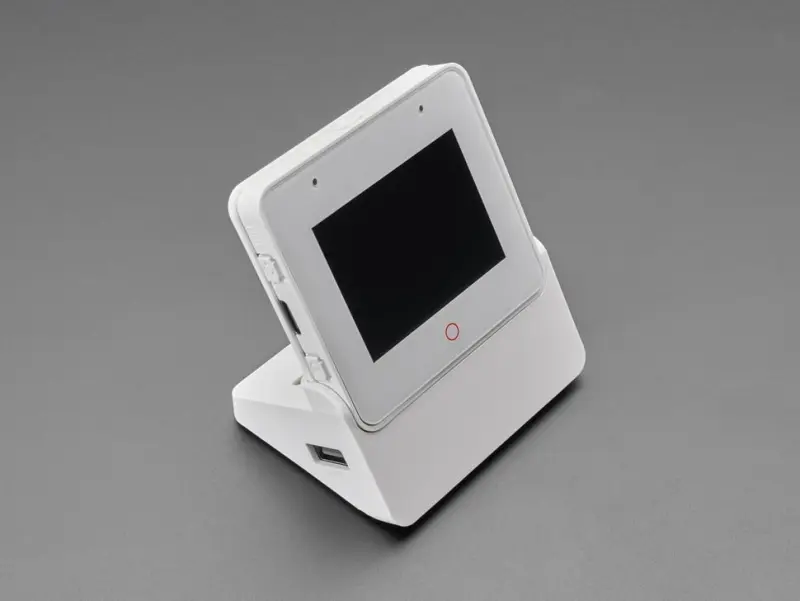
XiaoClaw represents a significant step forward in bringing sophisticated artificial intelligence to the edge. Designed specifically for the ESP32-S3, it transforms a standard microcontroller into a unified voice assistant capable of not just responding to queries, but reasoning through complex tasks using a local agent brain. By combining the voice interaction capabilities of the xiaozhi-esp32 framework with the mimiclaw agent engine, XiaoClaw creates a seamless bridge between human speech and LLM-driven execution.
A Dual-Layer Architecture
The project is structured around two primary functional layers connected by a dedicated bridge. The Voice I/O Layer handles the “senses” of the device: offline wake word detection via ESP-SR, streaming audio for Automatic Speech Recognition (ASR), and Text-to-Speech (TTS) playback. It supports various audio codecs like OPUS and manages visual feedback through OLED or LCD displays.
The Agent Brain Layer serves as the cognitive core. This is where the Large Language Model (LLM) integration happens, supporting providers like Anthropic Claude and OpenAI GPT. Unlike simple voice-to-text systems, this layer implements a modular ReAct agent loop. This allows the assistant to think, call tools, observe results, and refine its responses autonomously.
Hardware and Performance
XiaoClaw is optimized for high-performance ESP32-S3 development boards. To handle the demands of audio processing and agent reasoning, the project recommends at least 16MB of Flash (32MB preferred) and 8MB of PSRAM. It boasts extensive hardware compatibility, supporting over 70 different boards including the ESP32-S3-BOX3, M5Stack CoreS3, and LILYGO T-Circle-S3.
The firmware is designed to be resource-efficient, utilizing a multi-tasking layout on FreeRTOS. Audio I/O and the application main loop run on Core 0, while the intensive LLM processing and agent logic are offloaded to Core 1, ensuring that voice interactions remain responsive even during complex reasoning tasks.
The Agent’s Toolbox
One of XiaoClaw’s most powerful features is its extensive tool-calling system. The agent can interact with the physical and digital world through a variety of built-in tools:
- Hardware Control: Directly read from or write to GPIO pins based on board-specific policies.
- Web Integration: Perform web searches via Tavily or Brave to fetch real-time information.
- Automation: Schedule tasks using a built-in cron scheduler.
- Model Context Protocol (MCP): Connect to remote MCP servers to dynamically discover and utilize new tools without reflashing the firmware.
Scripting and Customization
For developers looking to add custom logic, XiaoClaw supports Lua scripting. Scripts stored on the SPIFFS partition can be executed by the agent to perform complex HTTP requests, process data, or interact with hardware. This makes it easy to integrate the assistant with external APIs or local home automation systems.
-- Example: A simple Lua script for the agent to use
local response, status = http_get("https://api.example.com/status")
print("System Status:", status)
return response
Advanced Memory and Session Management
XiaoClaw treats memory as a first-class citizen. It uses a plain-text SPIFFS-based system for long-term memory and personality definitions. The session management system is particularly robust, featuring cursor-based history tracking and automatic history compression (consolidation). When a conversation becomes too long, older messages are archived to preserve memory while maintaining the context necessary for the LLM to function effectively. This ensures the assistant maintains a consistent “soul” and remembers user preferences over time.
Related Projects
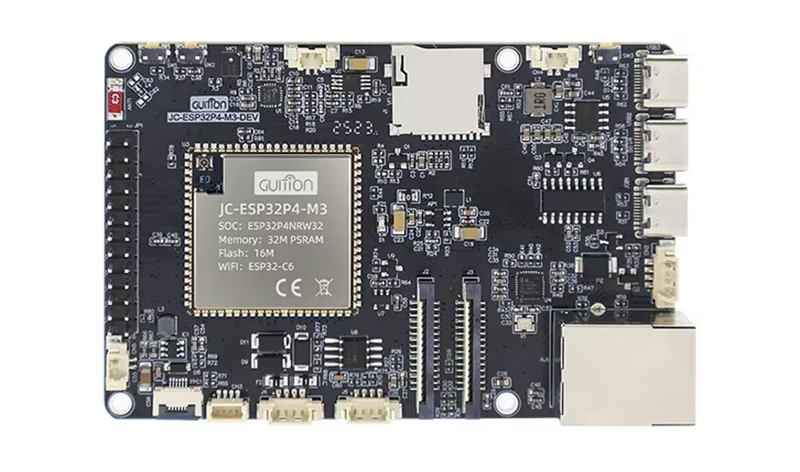
ESP32-P4 Home Assistant MQTT Voice Assistant
This project provides local voice assistant firmware for the ESP32-P4 platform, built natively on ESP-IDF and integrated with Home Assistant's Assist pipeline. It utilizes WakeNet9 for wake-word detection, MQTT for control and discovery, and features a local MP3 player and web-based management dashboard.
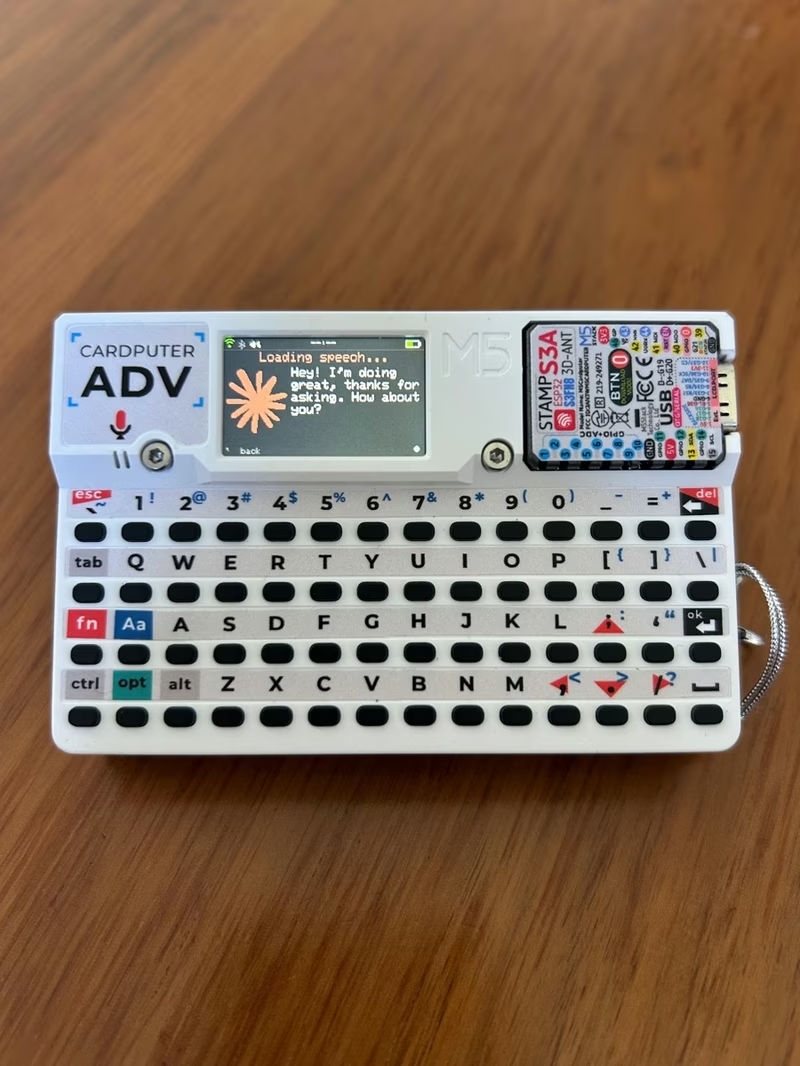
Claude Pocket
Claude Pocket is a voice-activated AI assistant firmware for the M5Stack Cardputer ADV, powered by Anthropic's Claude and OpenAI's Whisper and TTS APIs. It features a custom C++ implementation that handles voice activity detection, streaming transcription, and real-time audio playback on hardware without external PSRAM.
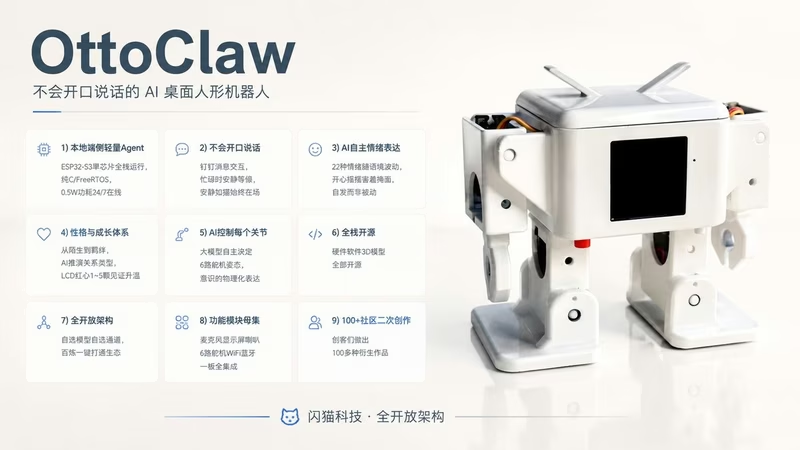
OttoClaw
OttoClaw is an AI-powered desktop humanoid robot system built on the ESP32-S3 and FreeRTOS. It features a local lightweight agent that handles conversation, memory, and autonomous physical movements through six servos without relying on cloud servers, utilizing LVGL for its graphical interface and SPIFFS for local data persistence.
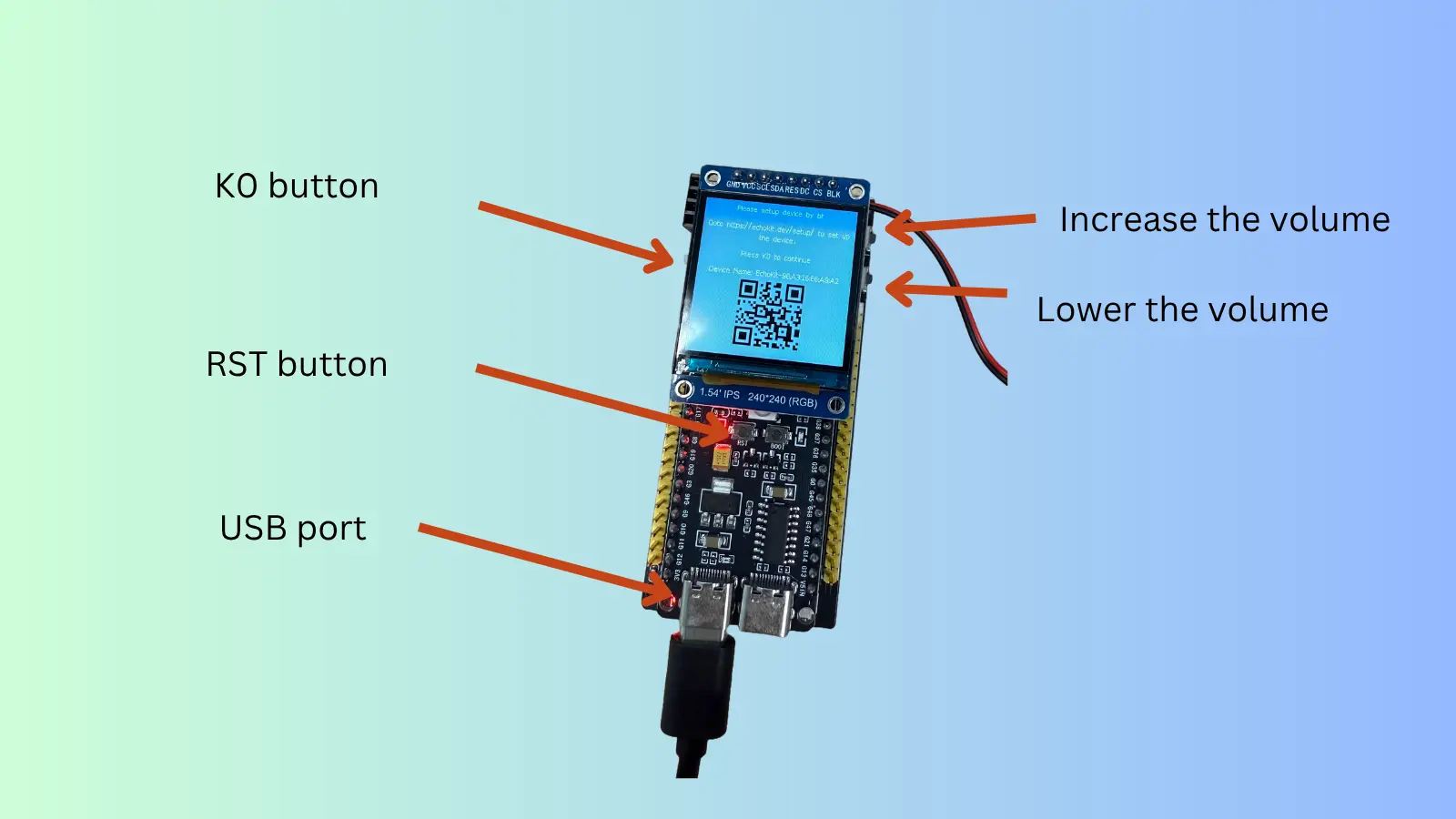
EchoKit Firmware
Rust-based firmware for the EchoKit ESP32-S3 voice interaction device. It utilizes the ESP-IDF framework to provide voice processing, display management, and network connectivity for AI-driven hardware applications.
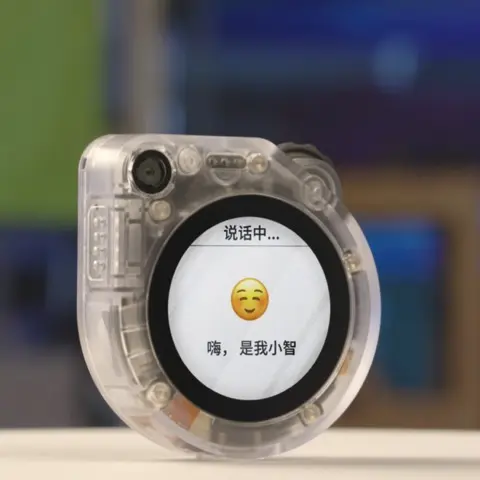
XiaoZhi AI Chatbot
An open-source AI chatbot firmware for ESP32 microcontrollers that enables voice interaction using large language models like Qwen and DeepSeek. It features offline wake-up, streaming ASR/TTS, and utilizes the Model Context Protocol (MCP) for IoT device control and cloud-side capability expansion.