SonosESP | ESP32-P4 Sonos Controller
A high-performance, touchscreen-based Sonos speaker controller built for the ESP32-P4 microcontroller. It utilizes the LVGL graphics library for a modern UI and FreeRTOS for managing concurrent tasks like audio metadata polling, image decoding, and time-synced lyrics display.
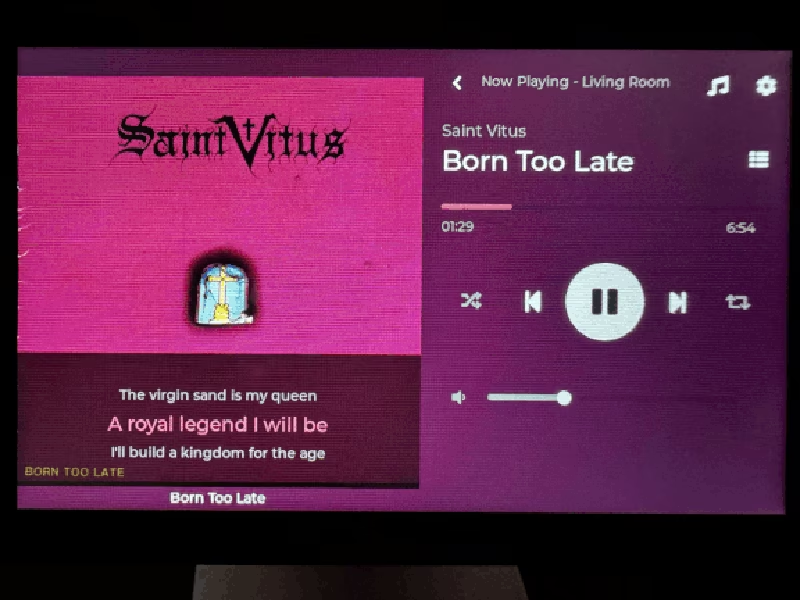
SonosESP is a sophisticated, dedicated hardware controller for Sonos speakers, designed to move music management away from the smartphone and onto a permanent, tactile interface. Built specifically for the high-performance ESP32-P4 RISC-V microcontroller, the project transforms a standard development board into a feature-rich smart home terminal capable of handling complex graphical rendering and real-time audio synchronization.
High-Performance Hardware Integration
At the core of SonosESP is the GUITION JC4880P433C development board. This choice of hardware is significant as it utilizes the ESP32-P4, which provides a 400 MHz dual-core processor and dedicated hardware for graphical acceleration. Unlike many other ESP32 projects that struggle with high-resolution displays, SonosESP drives an 800×480 RGB LCD with smooth performance.
Because the ESP32-P4 lacks native Wi-Fi, the project employs an ESP32-C6 module acting as a co-processor via ESP-Hosted. This architecture allows the main P4 chip to focus entirely on the user interface and media processing while the C6 handles the networking stack, ensuring a responsive experience even when downloading high-resolution album art or streaming synced lyrics.
Advanced UI and Media Processing
The project leverages LVGL 9.4.0 to deliver a modern, fluid user interface. It goes beyond simple button presses, incorporating advanced image processing techniques. The system features a hardware JPEG decoder and a software PNG decoder to render album art. To enhance the visual aesthetic, the firmware performs bilinear scaling and automatically extracts the dominant color from the currently playing album art to theme the UI dynamically.
One of the standout features is the synced lyrics display. By fetching time-synced LRC data from the LRCLIB API, SonosESP overlays lyrics directly onto the album art. The system includes smart auto-hide logic, scroll effects, and color matching to ensure the text is always legible and visually integrated with the music.
Technical Architecture and Reliability
To manage the complexity of simultaneous network requests, UI rendering, and device discovery, SonosESP relies heavily on FreeRTOS. The application is divided into several specialized tasks:
- UI Task: Handles touch input via the GT911 controller and renders the LVGL interface.
- Album Art Task: Manages the fetching and decoding of high-resolution images into PSRAM.
- Lyrics Task: Parses LRC files and synchronizes text display with the current playback position.
- Sonos Polling Task: Communicates with Sonos speakers via SOAP/UPnP and handles SSDP discovery.
Thread safety is maintained through mutex protection for shared resources, and the project makes extensive use of OPI PSRAM to handle the memory-intensive requirements of 800x480 frame buffers and image decoding.
Connectivity and Maintenance
Integration with the Sonos ecosystem is handled via the UPnP/SOAP API, allowing the device to discover zones, manage queues, and control multi-room playback. Users can switch between Sonos zones with live indicators showing which rooms are currently active.
For long-term usability, the project includes a robust Over-The-Air (OTA) update system. Users can choose between Stable and Nightly release channels directly from the device settings. The update process includes a three-attempt retry loop and a live countdown UI, ensuring that the device remains up-to-date with the latest features and bug fixes without needing a physical connection to a computer after the initial setup.
Related Projects
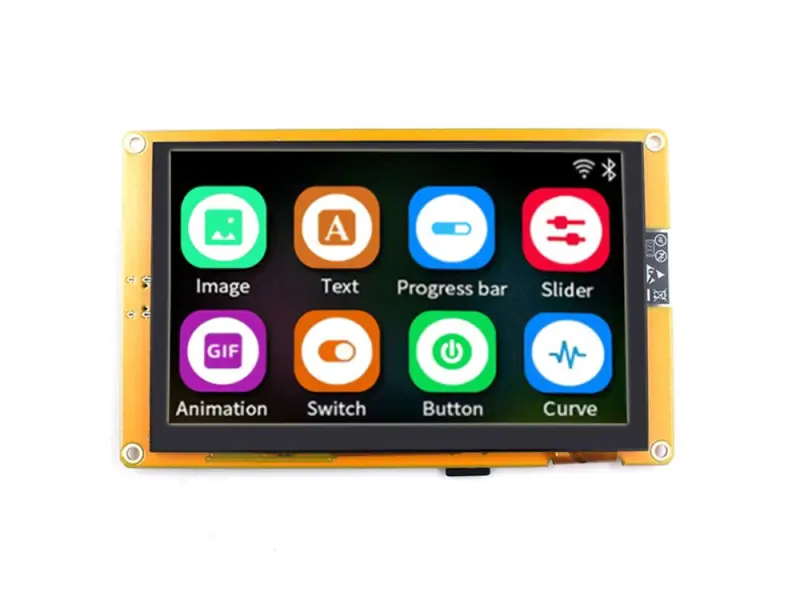
ESP32-8048S050C with LVGL 9.4 and FreeRTOS
An implementation for the Sunton ESP32-S3 800x480 capacitive touch display utilizing ESP-IDF 5.5.2 and LVGL 9.4. It features optimized memory management strategies for PSRAM-based framebuffers and leverages FreeRTOS for efficient task orchestration.
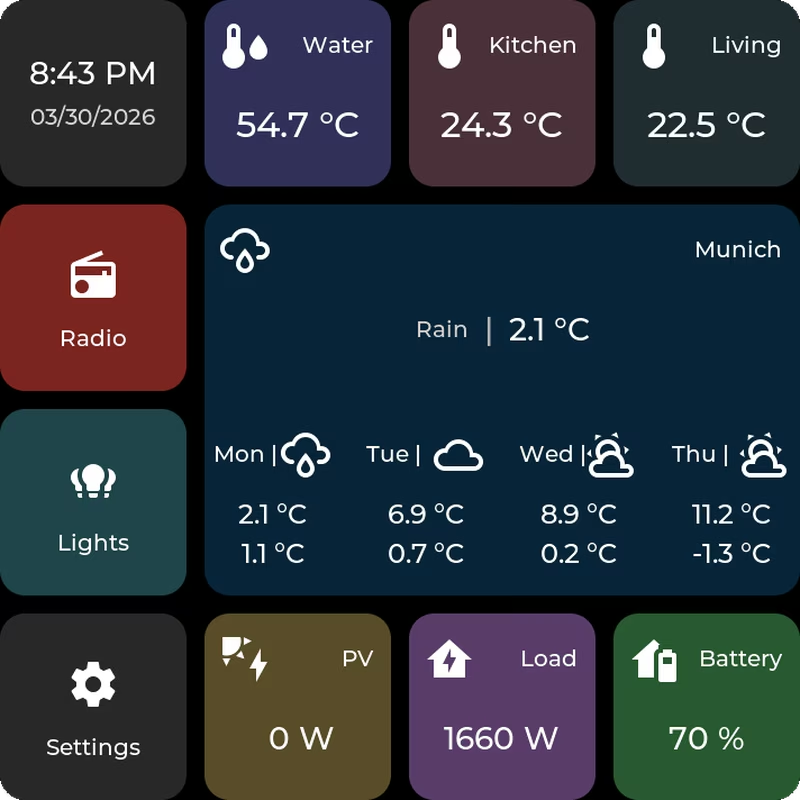
ESP32-P4 Home Assistant Display
A tile-based firmware for ESP32-P4 devices that creates a touch-first Home Assistant dashboard. It utilizes FreeRTOS and LVGL for the user interface, supporting MQTT integration and web-based configuration. The system targets ESP32-P4 hardware like the Waveshare B4 and M5Stack Tab5, featuring OTA updates and internal storage management via LittleFS.
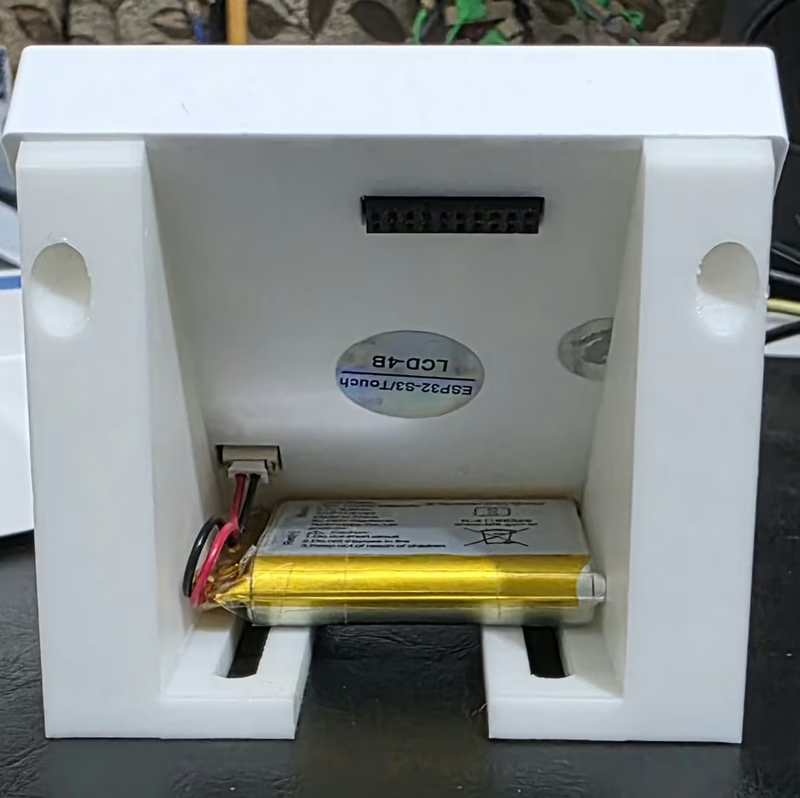
ESP32-S3 Smart Home Control Panel
A sophisticated touch-screen control interface for the Waveshare ESP32-S3-Touch-LCD-4B, featuring Home Assistant integration and real-time weather tracking. It utilizes the LVGL graphics library for a high-performance UI and implements advanced power management via the AXP2101 PMU.
ESP32-TUX
ESP32-TUX is a comprehensive Touch UX template for ESP32 and ESP32-S3 microcontrollers, leveraging the LVGL graphics library and LovyanGFX driver. It provides a ready-to-use framework for building sophisticated HMI applications with features like Wi-Fi provisioning, OTA updates, and theme switching across various 3.5-inch display modules.