ESP32-PLC
ESP32-PLC is an open-source firmware project that transforms the ESP32 microcontroller into a functional Programmable Logic Controller (PLC) using ladder logic. Built on the Espressif IoT Development Framework (ESP-IDF) and FreeRTOS, it leverages the ladderlib library to execute industrial control programs and supports web-based logic editing and simulation.
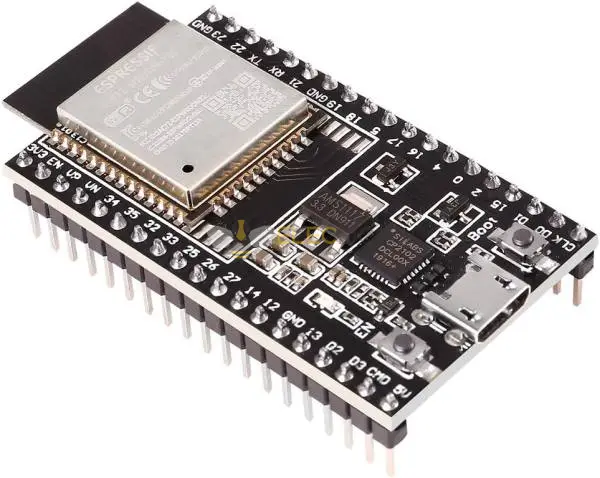
Industrial automation has traditionally been dominated by expensive, proprietary Programmable Logic Controllers (PLCs). The ESP32-PLC project seeks to disrupt this landscape by bringing the power of ladder logic—the standard language of industrial control—to the versatile and low-cost ESP32 microcontroller. By combining the robust Espressif IoT Development Framework (ESP-IDF) with the specialized ladderlib library, this repository provides a professional-grade foundation for building custom automation solutions.
Transforming the ESP32 into an Industrial Controller
At its core, ESP32-PLC allows developers to program the ESP32 using the IEC 61131-3 standard’s graphical ladder logic. This approach makes the hardware accessible to electrical engineers and maintenance technicians who are familiar with relay logic but may not be proficient in C or C++. The project is built atop FreeRTOS, ensuring that the logic execution rungs are handled with the deterministic timing required for real-time control applications.
The system architecture is divided into a clear modular structure. While the ESP32 handles the high-speed execution of the logic, the project integrates with a web-based editor for designing and simulating rungs. This editor supports standard PLC elements including contacts, coils, timers, and counters, allowing users to visualize their control flow before deploying it to the field.
Technical Architecture and Integration
The project utilizes a sophisticated stack of components within the ESP-IDF environment. It relies on LittleFS and SPIFFS for persistent storage of configuration and logic files, ensuring that the PLC program remains intact across power cycles. Networking is handled via the LwIP stack, which facilitates features like Wi-Fi provisioning and potentially MQTT-based IoT integration for remote monitoring.
One of the standout features is the integration of ladderlib, a C library specifically optimized for embedded systems. This library provides:
- Support for 39 distinct instructions (logical, arithmetic, and timing).
- Six execution states for robust program management.
- Function pointers for hardware I/O, allowing the logic to directly manipulate ESP32 GPIOs for sensors and relays.
Hardware and Software Capabilities
To build a physical PLC using this firmware, a standard ESP32 development board (like the WROOM-32) serves as the brain. Users can interface digital inputs like push buttons and proximity sensors, and drive outputs such as 5V or 24V relay modules. Because it uses ESP-IDF rather than the Arduino wrapper, the project gains more granular control over the hardware, leading to better optimization and lower latency in the logic scan cycle.
The project also includes a built-in web server and Wi-Fi provisioning capabilities. This allows for a “headless” setup where the controller can be configured and monitored via a browser on a smartphone or laptop, eliminating the need for specialized programming cables once the initial firmware is flashed.
Getting Started with ESP32-PLC
The workflow for implementing a control system follows a logical progression:
- Design: Use the compatible web-based ladder editor to create your rungs and logic flow.
- Configure: Map your logical inputs and outputs to the physical GPIO pins of the ESP32.
- Build: Compile the project using the
idf.py buildcommand, which links theladderliband system components. - Deploy: Flash the firmware to the ESP32 and monitor the serial output to verify that the logic engine is scanning correctly.
Whether you are an educator looking for an affordable way to teach industrial automation, a hobbyist automating a home greenhouse, or an engineer prototyping a cost-effective industrial sub-system, ESP32-PLC provides the tools to bridge the gap between modern IoT hardware and traditional control logic.
Related Projects
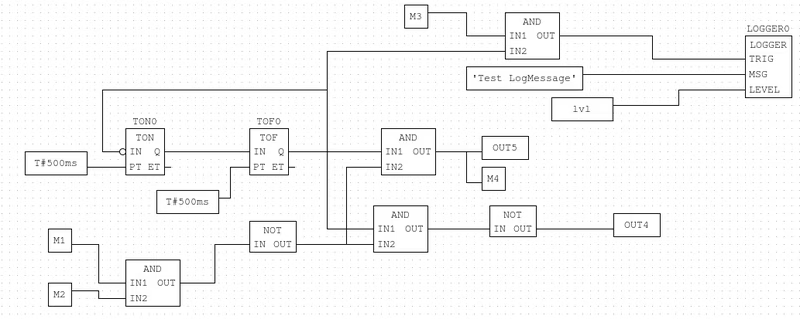
Beremiz4uC
Beremiz4uC is a real-time runtime environment that executes Beremiz IDE PLC programs on STM32F4 microcontrollers using Zephyr RTOS. It features dynamic code loading via udynlink, eRPC-based communication, and flexible I/O management for industrial control applications.
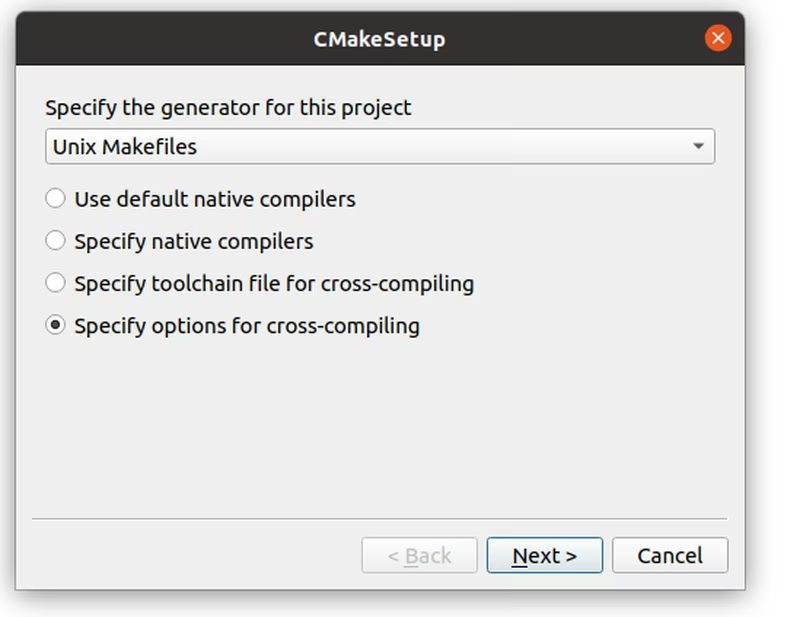
ESP 4diac FORTE Library
A standard ESP-IDF component that integrates the 4diac FORTE open-source PLC runtime framework for ESP32 and ESP32-S2 microcontrollers. It utilizes FreeRTOS and LwIP to provide an IEC 61499 compliant execution environment for distributed industrial control applications.
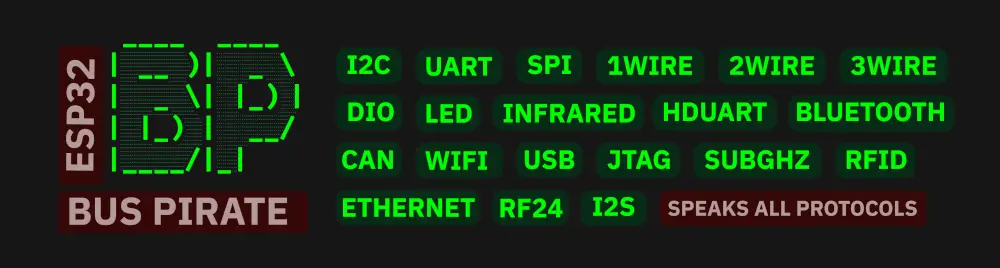
ESP32 Bus Pirate
An open-source firmware for ESP32-S3 microcontrollers that replicates and extends the functionality of the Bus Pirate hardware tool. It provides an interactive CLI for sniffing, sending, and scripting various digital and radio protocols like I2C, SPI, UART, CAN, and Sub-GHz.