OpenC6 BIOS
OpenC6 BIOS is an advanced modular firmware platform for the ESP32-C6 RISC-V microcontroller that implements a PC-like architecture by decoupling hardware initialization from application logic. Built on FreeRTOS and the ESP-IDF framework, it provides a standardized System Call Interface (ABI) for executing bare-metal payloads, a management engine running on the LP-Core coprocessor, and support for network-based booting and OTA updates.
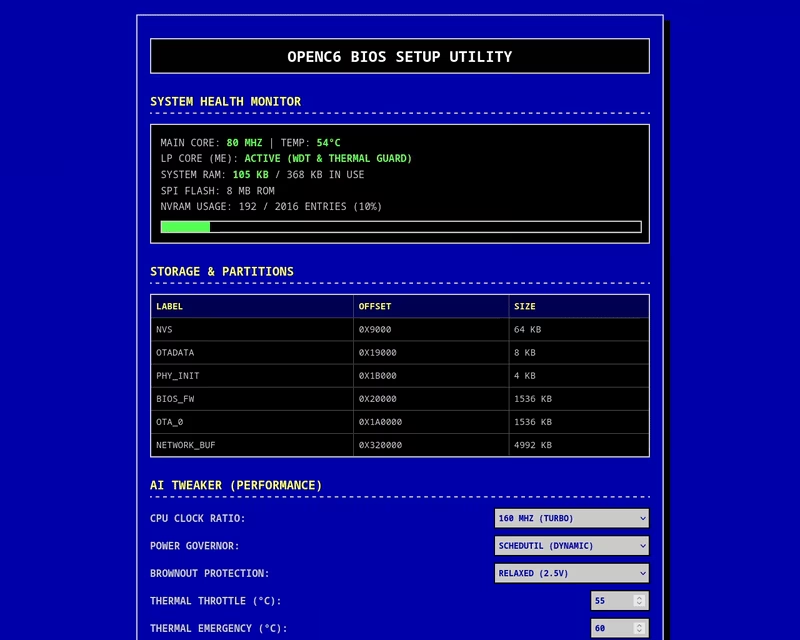
OpenC6 BIOS is an open-source, high-performance modular platform designed specifically for the ESP32-C6 (RISC-V) microcontroller. It shifts the traditional monolithic firmware paradigm toward a more server-like architecture by acting as a host platform that decouples hardware initialization from application logic. This allows developers to hot-swap, download, and execute bare-metal payloads directly into RAM or Execute-In-Place (XIP) Flash through a standardized System Call Interface (ABI).
Visual Demos and Capabilities
The project features several sophisticated interfaces that demonstrate its capabilities beyond standard microcontroller firmware.
Retro Web Setup Utility
The system includes a nostalgic, classic PC BIOS interface accessible via local Wi-Fi. This utility runs at a native-looking 1280x1024 5:4 resolution and allows for high-level hardware configuration.
Micro UNIX Shell
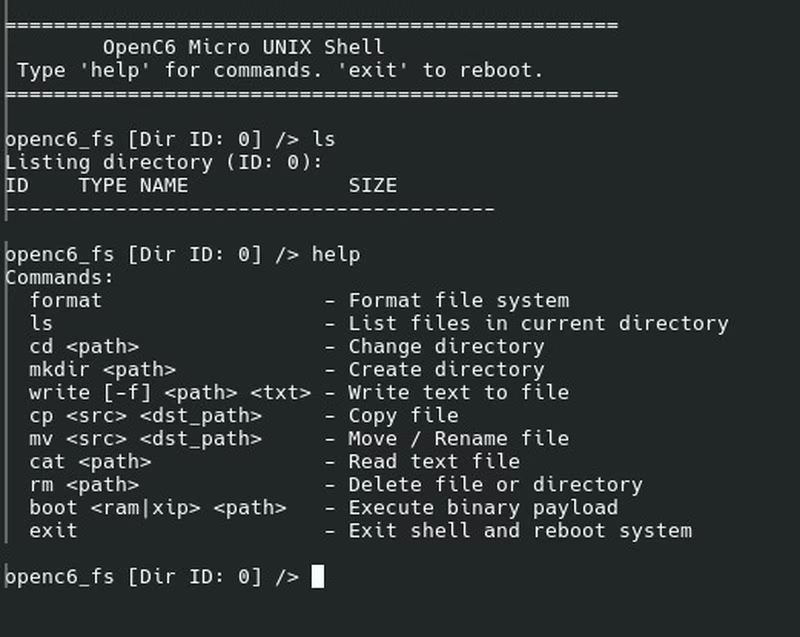
For low-level interaction, OpenC6 provides an interactive file system explorer. Users can inspect, read, write, and execute files directly on a custom log-structured flash file system through a serial terminal.
Wireless BIOS Firmware Update (OTA)
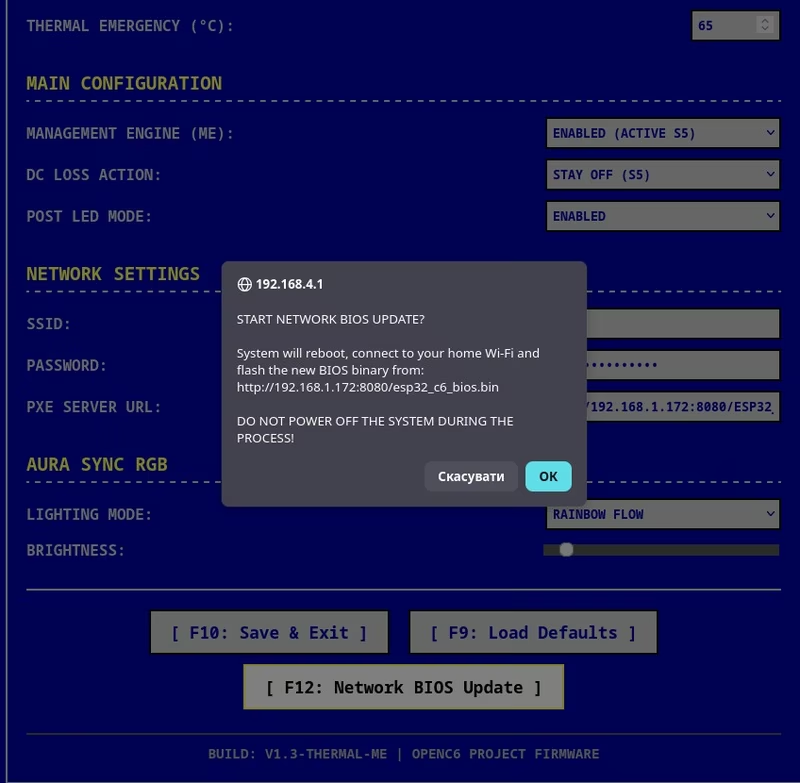
The platform supports safe wireless BIOS flashing over Wi-Fi, utilizing hardware A/B partition rollback protection to ensure the system remains bootable even if an update fails.
Key Architectural Features
OpenC6 is built on several advanced subsystems that provide stability and flexibility:
- LP-Core Management Engine (ME): An autonomous out-of-band RISC-V coprocessor that monitors system health, manages the power button logic, and handles hardware Watchdogs. It can trigger emergency thermal shutdowns even if the main processor crashes.
- SchedUtil Dynamic Governor: A real-time load-adaptive CPU frequency scaling system that adjusts the clock between 80, 120, and 160 MHz based on FreeRTOS idle cycles.
- Network Boot (PXE): The ability to dynamically fetch and execute bare-metal payloads over Wi-Fi, eliminating the need for physical USB tools and reducing flash memory wear.
- Standardized ABI: Payloads can be compiled without the full ESP-IDF framework, resulting in lightweight binaries (2-10 KB) that still have access to BIOS-provided Wi-Fi, math, and crypto engines.
- Log-Structured Circular File System (openc6_fs): A custom chunk-based file system designed for flash longevity, supporting dynamic wear leveling and files larger than a single sector.
Hardware Implementation
The platform is optimized for the ESP32-C6-Zero and generic C6 modules. It utilizes specific GPIO pins for BIOS-like physical interactions:
- Power Button (GPIO 4): Supports short clicks for booting, 3-second holds for Setup, and 5-second holds for hard resets.
- BOOT Button (GPIO 9): Used to enter the interactive Boot Menu during startup.
- POST LED (GPIO 8): An addressable RGB LED used for Aura Sync effects and diagnostic POST codes.
- Clear CMOS (GPIO 2): Shorting this pin during boot resets the NVRAM to factory defaults.
Getting Started
To deploy OpenC6 BIOS, developers use the ESP-IDF (v6.1-dev) toolchain. The build process involves flashing the core BIOS firmware and then compiling bare-metal payloads using the provided tools. Payloads are typically built as RISC-V binaries that interact with the BIOS via the UART Serial Loader or via network protocols.
Network Booting and OTA Updates
One of the most powerful features of OpenC6 is the ability to manage the system entirely over Wi-Fi. By running a simple HTTP server on a local PC, users can:
- Network Boot (PXE): Download a payload into Flash and execute it without a physical connection.
- Wireless BIOS Update: Reflash the core
openc6_bios.binusing hardware A/B partition rollback protection. If the new BIOS version fails to boot, the LP-Core Watchdog triggers a hardware reset, and the ESP32 bootloader automatically rolls back to the previous stable version.
Ongoing Development
The project is actively evolving with a focus on porting the platform to the high-performance ESP32-P4. Other roadmap items include a custom zRAM implementation for RISC-V to expand SRAM execution memory and the addition of SHA256 checksum verification for all payload transfers to ensure security and execution integrity.
Related Projects
LOADOUT for M5Stack Tab5
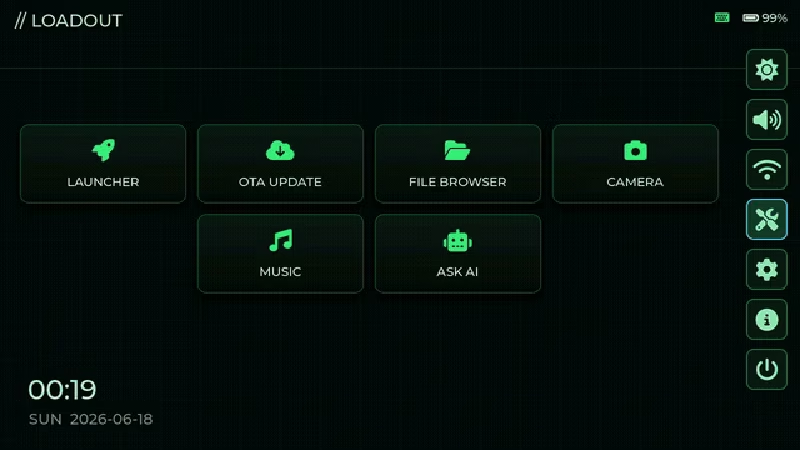
LOADOUT is a comprehensive firmware launcher and hardware toolbox designed for the M5Stack Tab5 (ESP32-P4). Built on the ESP-IDF framework and FreeRTOS, it features an LVGL-based UI that provides access to on-device tools, OTA updates, and a microSD-based firmware bootloader.
ESP32-PLC
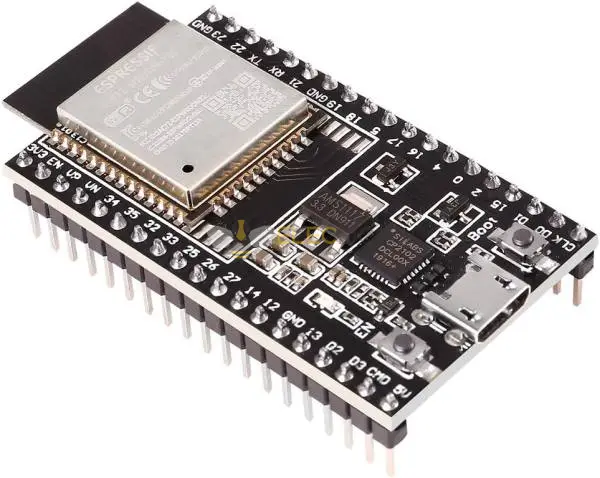
ESP32-PLC is an open-source firmware project that transforms the ESP32 microcontroller into a functional Programmable Logic Controller (PLC) using ladder logic. Built on the Espressif IoT Development Framework (ESP-IDF) and FreeRTOS, it leverages the ladderlib library to execute industrial control programs and supports web-based logic editing and simulation.
HighBoy Firmware
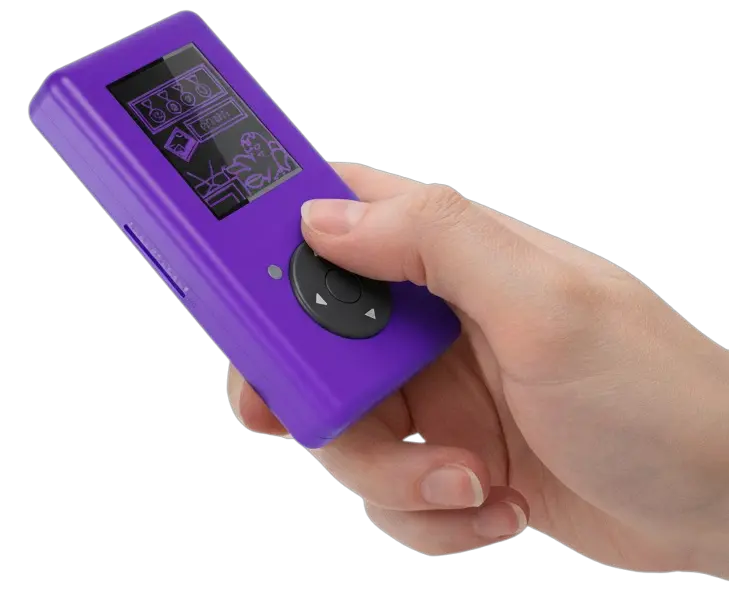
A modular firmware platform for the ESP32-S3 SoC built using the ESP-IDF framework. It features a structured architecture divided into hardware drivers, services, core logic, and applications, utilizing the NimBLE Bluetooth stack for wireless connectivity.