FrameFilm (帧影)
FrameFilm is a retro-styled digital film fridge magnet featuring a 3.6-inch color E-Ink display and an ESP32-S3 microcontroller. It utilizes specialized dithering algorithms to replicate a film aesthetic and supports wireless photo transmission via BLE through a web-based management tool or a WeChat mini-program.
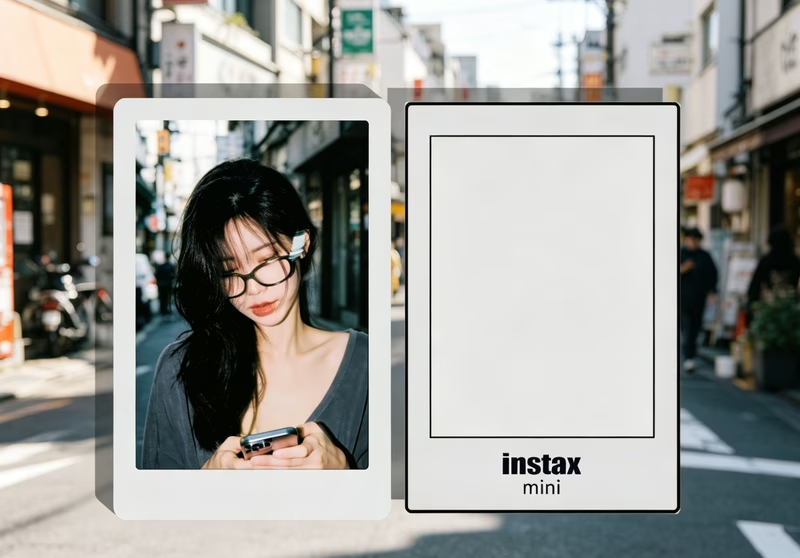
FrameFilm (帧影) is an atmospheric electronic film fridge magnet designed to blend retro aesthetics with modern electronic paper technology. The project’s name, a combination of “Frame” and “Film,” reflects its core mission: to capture and freeze moments of life in a high-texture, film-like format that fits seamlessly into a home environment.
Core Concept and Features
The device focuses on providing a ritualistic experience for displaying memories. By utilizing a color electronic paper (E-Ink) display, FrameFilm offers a low-power, blue-light-free viewing experience that remains clear even under direct sunlight. A single charge can last for several months, making it a practical decorative piece for any magnetic surface.
Key capabilities include:
- Film Texture Presentation: The software incorporates multiple dithering algorithms to add a grainy, retro quality to uploaded photos, mimicking the look of classic film photography.
- Seamless Connectivity: Integrated Bluetooth Low Energy (BLE) allows for quick pairing with smartphones for one-click photo uploads and scheduled rotations.
- Minimalist Design: With a thickness of approximately 7mm and a magnetic back, the device is designed to be “plug-and-play” on refrigerators or other metal surfaces, fitting various home decor styles.
Technical Architecture
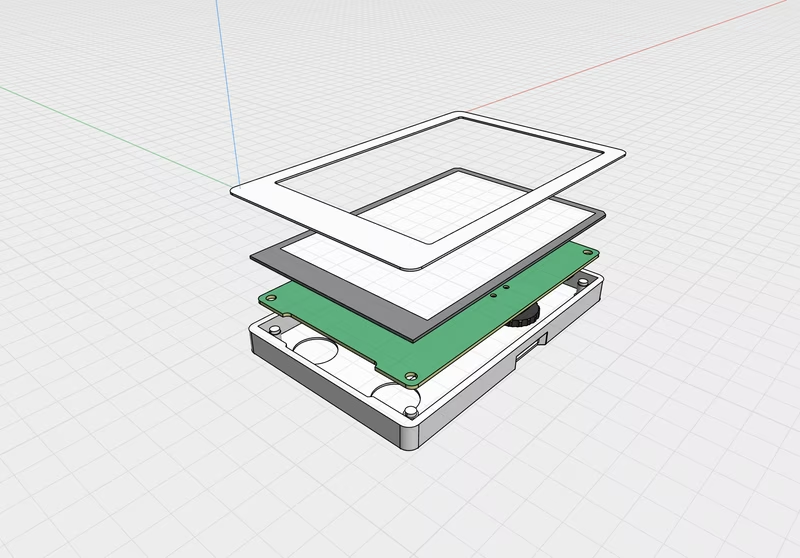
The system is built on the ESP32-S3 platform using the ESP-IDF framework. The firmware is organized into a modular architecture to ensure maintainability and hardware abstraction:
- film_sys: Handles low-level system initialization, logging, and configuration management.
- film_service: Manages core business logic, including BLE communication protocols, file system management, photo playback sequencing, and parameter storage.
- film_hal: The Hardware Abstraction Layer that interfaces with the E-Ink display, battery management circuitry, LEDs, encoders, and storage media.
Hardware Specifications
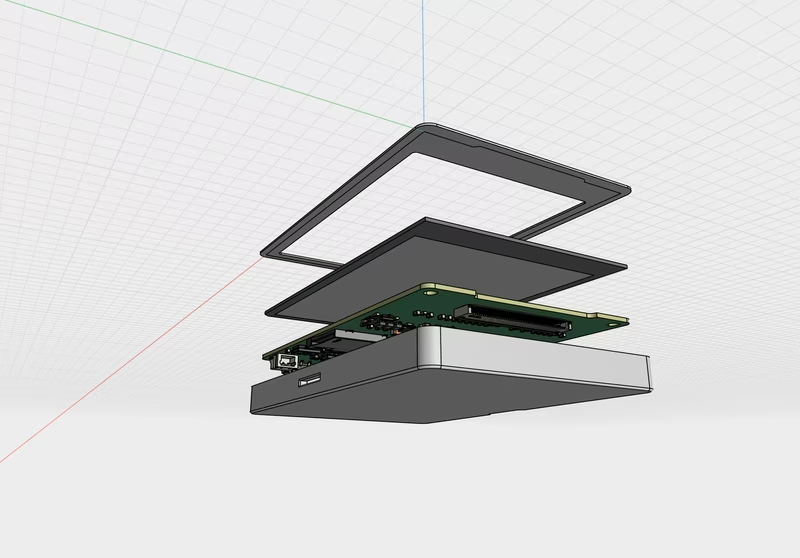
The hardware is optimized for a slim profile and efficient power usage. It features a 3.6-inch color E-Ink 6 screen driven by an ESP32-S3 chip. Storage is handled via an external TF card (up to 32GB) or an internal SDnand chip. The device is powered by a 304040-specification lithium battery and fits within a compact 92 × 60 × 7 mm footprint. For those interested in the physical build, the hardware design is open-sourced on the LCEDA (立创) platform, including PCB schematics and 3D models for the enclosure.
Software Ecosystem and Tools
FrameFilm is supported by a robust set of tools for content management and device control:
ForFilm Web Tool
The ForFilm web interface serves as a comprehensive management hub. It allows users to convert standard images into the custom .Film file format required by the device. Beyond conversion, it supports real-time dithering adjustments, BLE-based file transfers, and Over-the-Air (OTA) firmware updates directly from a browser.
WeChat Mini-Program
For mobile users, the FrameFilm WeChat mini-program provides a convenient way to manage multiple frames. It supports direct uploads from the mobile photo gallery, camera integration, and even a hand-drawn creation mode where users can sketch patterns on their phone and send them instantly to the E-Ink display.
Development and Getting Started
The project is developed using ESP-IDF v5.3+. Developers can compile the firmware by navigating to the firmware/frame_film directory and using standard idf.py build commands. The repository structure is clearly partitioned into assets, documentation (covering BLE protocols and file formats), firmware source code, and hardware design files, providing a complete roadmap for both software and hardware enthusiasts.
Related Projects
E-ink Meeting Room Schedule Display
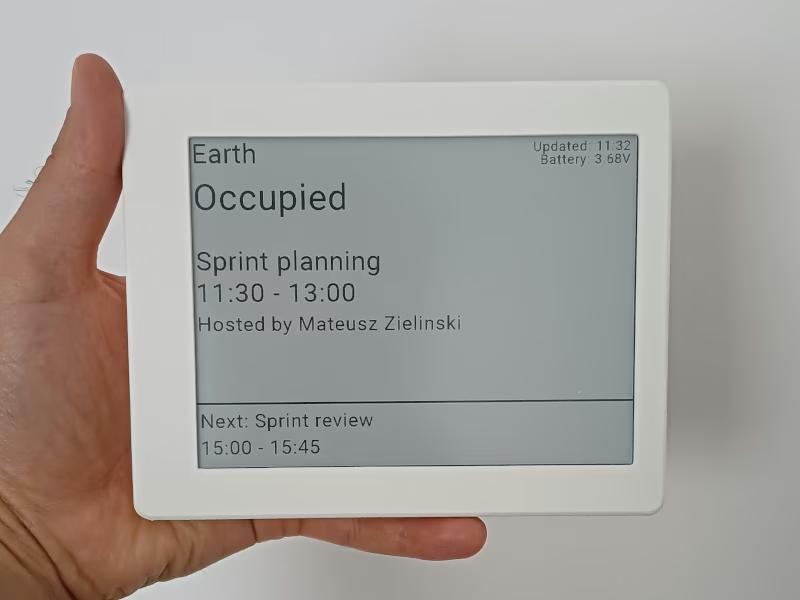
A wireless e-ink device based on the ESP32-powered Soldered Inkplate 6 platform that displays meeting room schedules. It utilizes the Roombelt backend for data and features a secondary digital photo frame mode that reads images from a microSD card.
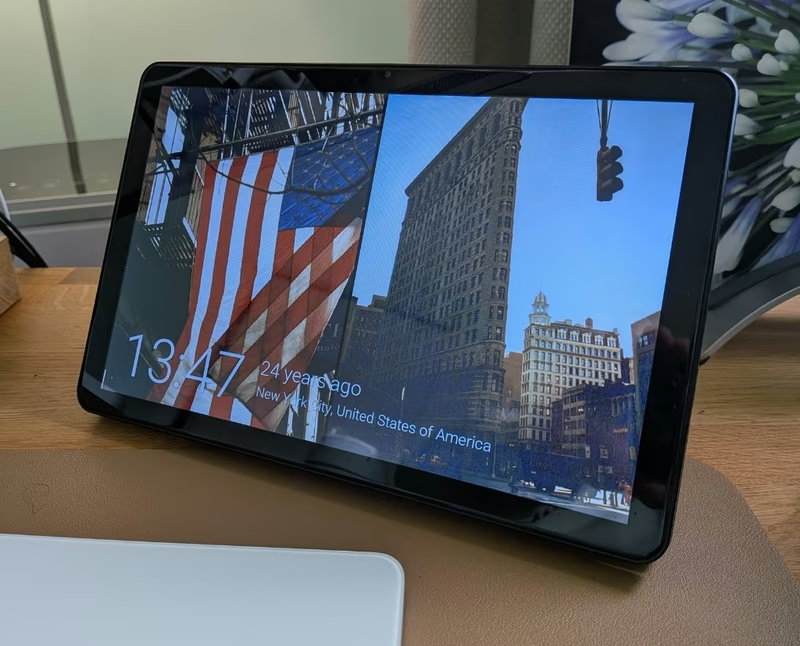
Espframe for Immich
A standalone digital photo frame firmware built with ESPHome for the ESP32-P4, designed to stream photos directly from an Immich server. It features smart portrait pairing, automatic tone adjustment, and local network privacy without requiring external hubs or cloud services.
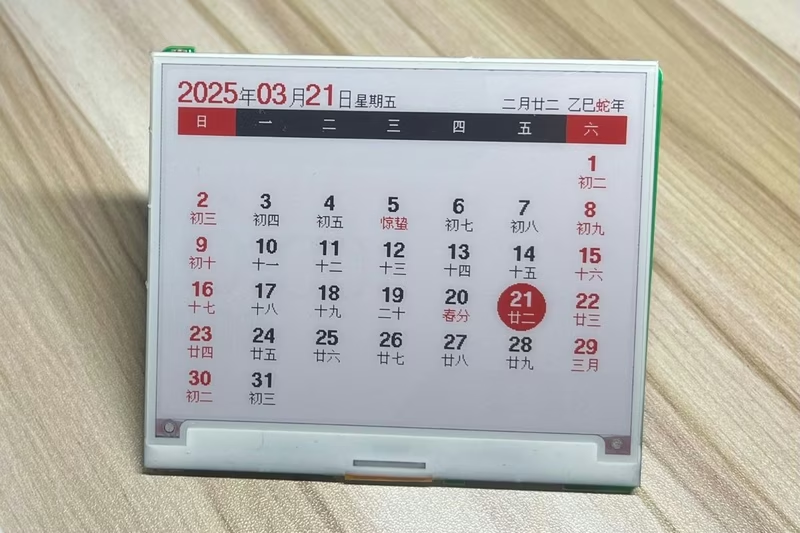
EPD-nRF5: E-Paper Display Calendar and Photo Frame
An embedded firmware for nRF51 and nRF52 microcontrollers designed to drive e-paper displays for calendar and digital photo frame applications. It features Bluetooth image transmission, Chinese lunar calendar support, and a Web Bluetooth interface for cross-platform configuration.
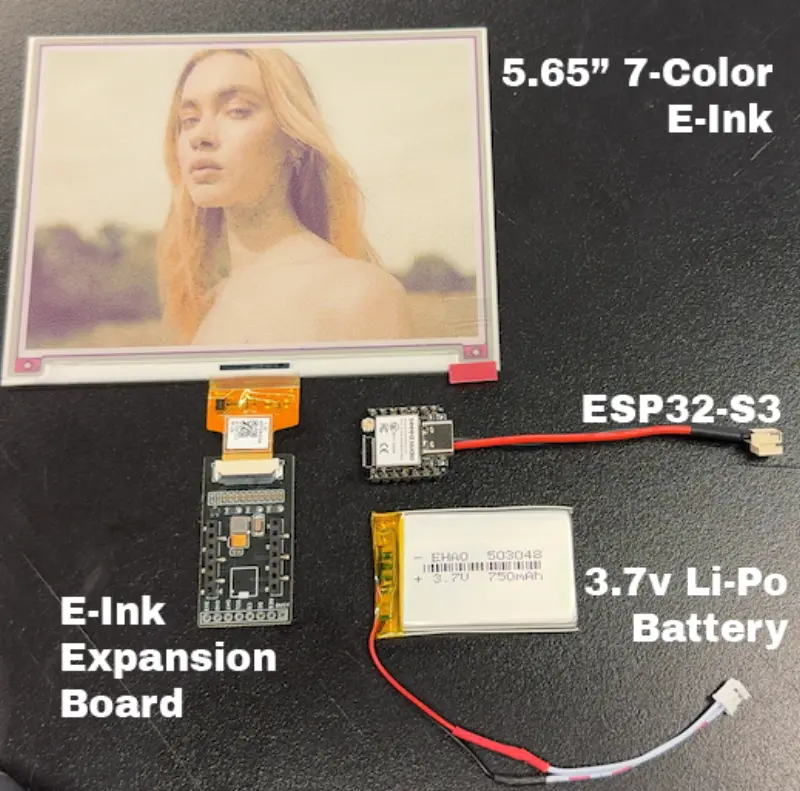
7-Color E-Paper Digital Photo Frame
A digital photo frame project utilizing an ESP32S3 and a 5.65-inch seven-color E-Paper display. It features a local Flask-based image server for automated dithering and image processing, with power-optimized hibernation cycles for long battery life.
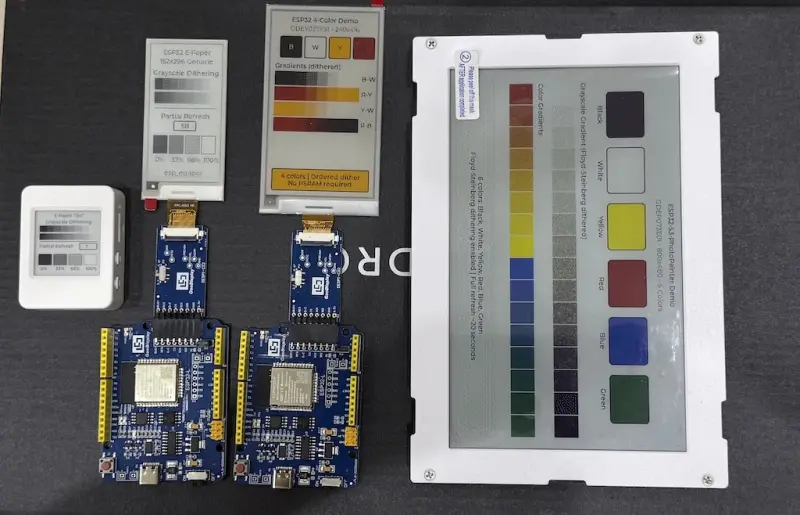
ESP E-Paper Component
A flexible e-paper display driver for the ESP-IDF framework featuring LVGL 9 integration. It supports a wide range of panels including black/white, 4-color BWRY, and 6-color displays with advanced features like Floyd-Steinberg dithering and partial refresh. Designed for low-power IoT devices, electronic shelf labels, and photo frames on ESP32 series microcontrollers.

ReadMePaper: ESP32 7-Color e-Paper Display Project
An ESP32-based firmware for displaying 24-bit BMP images on a Waveshare 7-color e-Paper module. It features a REST API to receive image URLs over WiFi, stores them in SPIFFS, and renders them on the display using the Arduino framework.