ESP32 RTSP Microphone for BirdNET
A high-performance network microphone firmware for Seeed Studio XIAO ESP32 boards that streams 16-bit PCM audio via RTSP. It is designed for integration with BirdNET-Go and BirdNET-Pi for automated bird sound identification and includes a Web UI, MQTT telemetry, and OTA support.
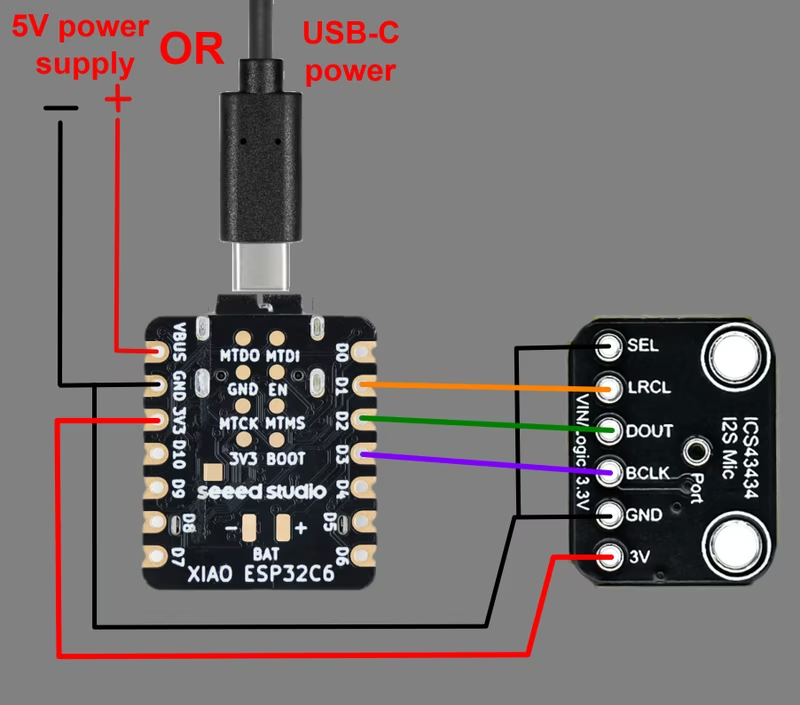
High-Quality Audio Streaming for Wildlife Monitoring
The esp32-birdnet-mic project is a specialized firmware designed to turn Seeed Studio XIAO ESP32 modules into high-performance network microphones. Primarily targeted at users of BirdNET-Go and BirdNET-Pi, this project simplifies the process of capturing and streaming ambient bird sounds for automated identification. By utilizing I2S MEMS microphones, the system provides 16-bit PCM/L16 mono audio, ensuring the clarity required for complex acoustic analysis.
Advanced Audio Processing and Streaming
At its core, the firmware implements a robust audio pipeline. It uses a dedicated audio producer task that captures data from the I2S interface and passes it through a ring buffer to the RTSP packet output. This architecture, built on FreeRTOS, prevents audio drops and ensures a stable stream even when the network experiences minor fluctuations.
Users can configure two independent RTSP streams, which is particularly useful for feeding different analysis engines or monitoring tools simultaneously. The firmware supports both TCP and UDP transports, allowing it to adapt to the specific requirements of the target software—TCP for BirdNET-Go and UDP for BirdNET-Pi.
Hardware Compatibility and Optimization
The project is optimized for the Seeed Studio XIAO ESP32 family, including the C3, S3, C5, and C6 variants. While the XIAO ESP32-C6 is the primary reference platform, the firmware includes runtime hardware validation to support the unique pinouts and RF configurations of other models.
A notable feature for the XIAO ESP32-C6 is the automatic management of the external antenna RF switch, ensuring maximum Wi-Fi range and stability. For environments where RF interference might affect audio quality, the firmware allows users to adjust the Wi-Fi TX power directly from the web interface, reducing coupling noise into the microphone wiring.
Features for Long-Term Deployment
Designed for 24/7 operation, the firmware includes several reliability and integration features:
- Web-Based Management: A full English Web UI on port 80 for live status monitoring, log viewing, and configuration.
- Smart Home Integration: MQTT telemetry and Home Assistant MQTT Discovery allow users to monitor device health, temperature, and stream status within their existing automation dashboards.
- Audio Enhancements: A configurable high-pass filter (defaulting to 500 Hz) helps eliminate low-frequency rumble and environmental noise.
- Thermal Protection: Includes a persistent latching thermal protection system to prevent hardware damage in extreme outdoor conditions.
- Scheduling: Support for stream schedules and deep sleep modes to conserve power or limit data usage to specific times of day.
Getting Started
Deploying the microphone is streamlined through a dedicated web flasher. Once flashed, the device boots into a captive portal mode (ESP32-RTSP-Mic-AP), allowing users to input their Wi-Fi credentials. After connecting to the local network, the device becomes accessible via a unique mDNS hostname (e.g., esp32mic-a1b2c3.local).
Example RTSP Usage
Once the device is active, the audio streams can be accessed using standard tools like ffplay or VLC:
ffplay -rtsp_transport tcp rtsp://<device-ip>:8554/audio1This URL can then be plugged directly into BirdNET-Go or BirdNET-Pi to begin real-time bird sound identification. The firmware defaults to 48 kHz mono 16-bit PCM, providing a balanced profile that avoids the common UDP stuttering observed in some ffmpeg-based clients.
Related Projects
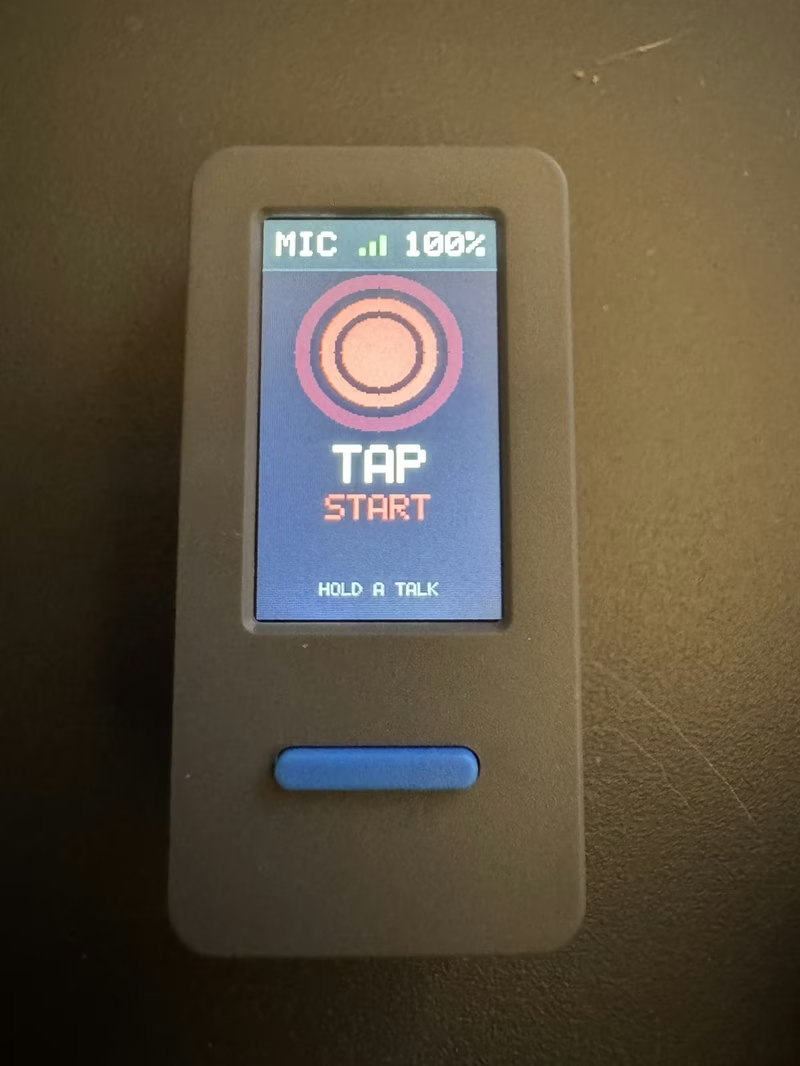
m5mic
A high-performance microphone solution for the M5StickS3, featuring Rust-based firmware and companion applications for macOS and iOS. It supports both plug-and-play USB Audio Class functionality and wireless streaming via WebSockets or Bluetooth LE, utilizing the ESP32-S3 and an ES8311 audio codec.
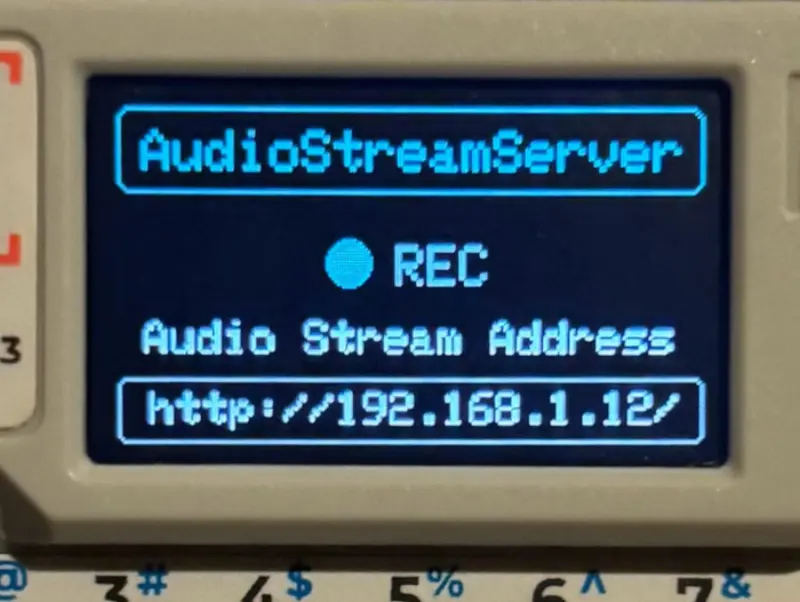
Audio Stream Server for M5Cardputer
An audio streaming server for the M5Cardputer that captures microphone input at 16000 Hz and streams it to a web browser over Wi-Fi. It features on-device Wi-Fi configuration, NVM storage for credentials, and optimized power consumption through display management.
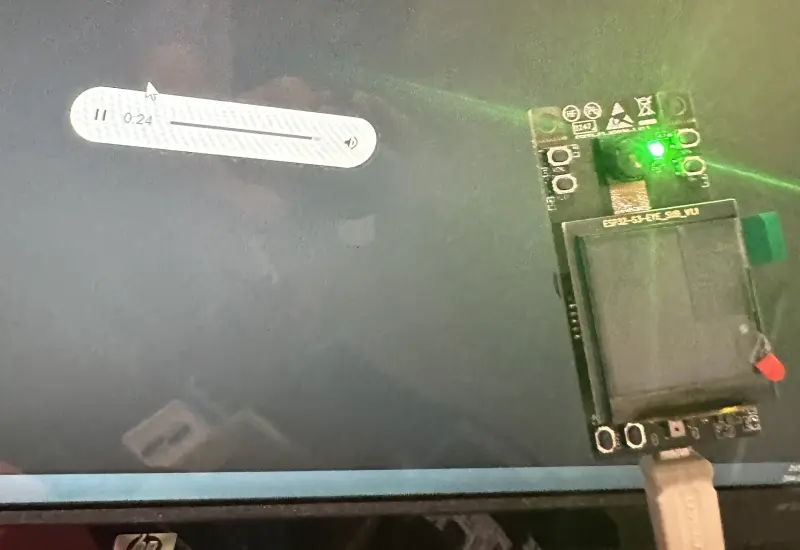
ESP32 I2S Microphone Stream
A firmware project for the ESP32-S3-EYE development board that streams audio from an attached I2S microphone directly to a web browser. It utilizes the Arduino framework on the ESP32-S3 platform to create a simple web server for real-time audio monitoring.