ESP32 CYD Aquarium
An autonomous virtual aquarium firmware designed for the ESP32-2432S028R 'Cheap Yellow Display'. It features a stylized dot-grid renderer, simulated aquatic life, and automatic backlight adjustment using onboard sensors.
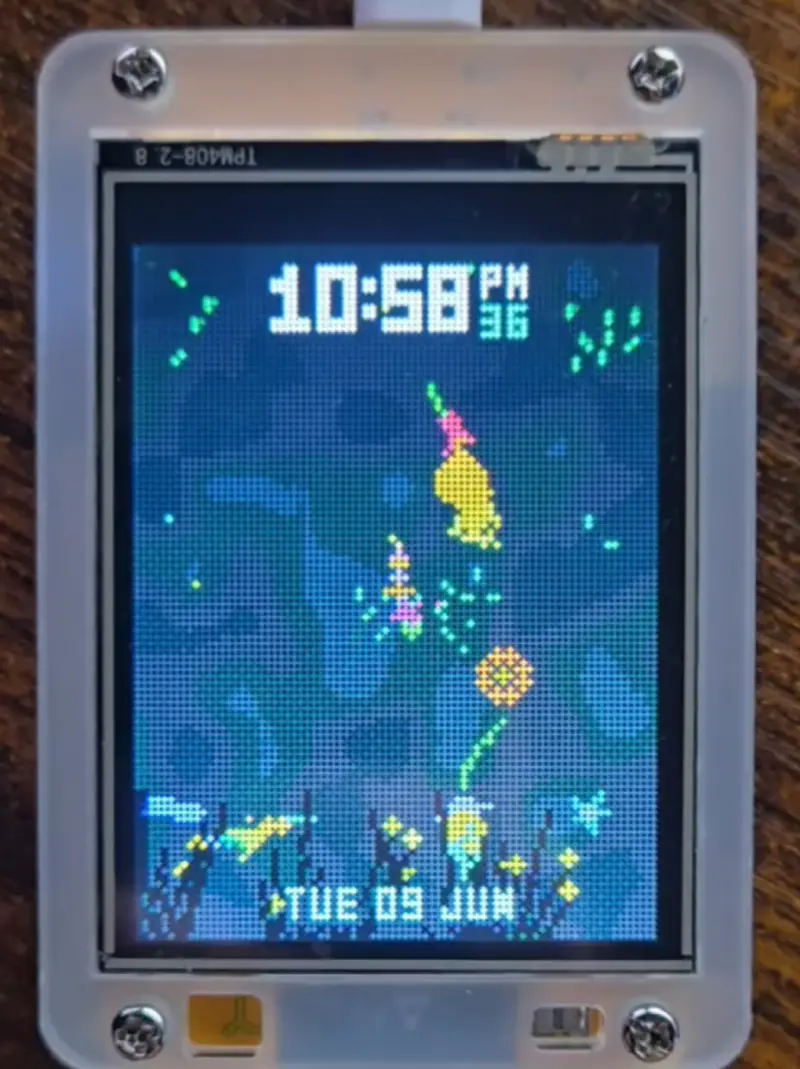
The ESP32 CYD Aquarium transforms the popular ESP32-2432S028R development board—affectionately known in the maker community as the “Cheap Yellow Display” (CYD)—into a lively, self-sustaining desk companion. Originally adapted from the Livegrid OpenMatrix project, which targeted large HUB75 LED matrices, this implementation retools the experience for the compact 2.8-inch ILI9341 TFT screen found on the CYD.
A Retro Aesthetic on Modern Hardware
One of the standout features of this project is its custom dot-grid renderer. Rather than attempting high-resolution photorealism, the software maps a logical 80x106 pixel aquarium frame onto the 240x320 physical display. This creates a charming “small LED matrix” look, mimicking the aesthetic of vintage digital displays while running on modern, affordable hardware. The result is a vibrant scene populated by autonomous creatures, including fish, turtles, snakes, and octopuses, alongside drifting food and animated water.
Intelligent Automation and Sensors
The firmware is designed to be truly “set and forget.” It leverages the onboard hardware of the CYD board to provide a seamless user experience:
- Light Sensing: It utilizes the onboard LDR (light-dependent resistor) connected to GPIO34 to automatically dim the TFT backlight based on ambient room light, making it suitable for bedside tables or offices.
- Timekeeping: The aquarium includes a 12-hour clock with an AM/PM indicator and date overlay. If Wi-Fi is configured, the system automatically syncs with NTP servers. To save power and reduce overhead, the Wi-Fi module disconnects immediately after a successful sync.
- Standalone Reliability: If no Wi-Fi credentials are provided, the project remains fully functional, falling back to the firmware’s compile time as a reference point for the clock.
- Interactive Elements: While the aquarium is designed to run autonomously, it includes optional touch-to-feed functionality using the XPT2046 resistive touch controller.
Technical Foundation
Built using the Arduino framework and managed via PlatformIO, the project is optimized for the ESP32-WROOM-32 class modules. It relies on the high-performance TFT_eSPI library for display driving and LittleFS for efficient filesystem management. The simulation logic handles “boids” (flocking behavior) and various creature pathfinding to ensure the aquarium feels alive and unpredictable.
Because the CYD hardware is known for having several variants, the project is configured specifically for the common ESP32-2432S028R pinout, handling the specific SPI bus settings and backlight PWM requirements of that board style.
Hardware Integration
The default build is tailored for the out-of-the-box CYD experience, meaning no external temperature, humidity, or CO2 sensors are required. It focuses entirely on the visual and interactive capabilities of the integrated screen, touch layer, and light sensor. For developers looking to customize the experience, the project structure allows for easy adjustment of creature logic and scene tuning to fit the specific constraints of the 2.8-inch display.
Related Projects
ASCII Aquarium
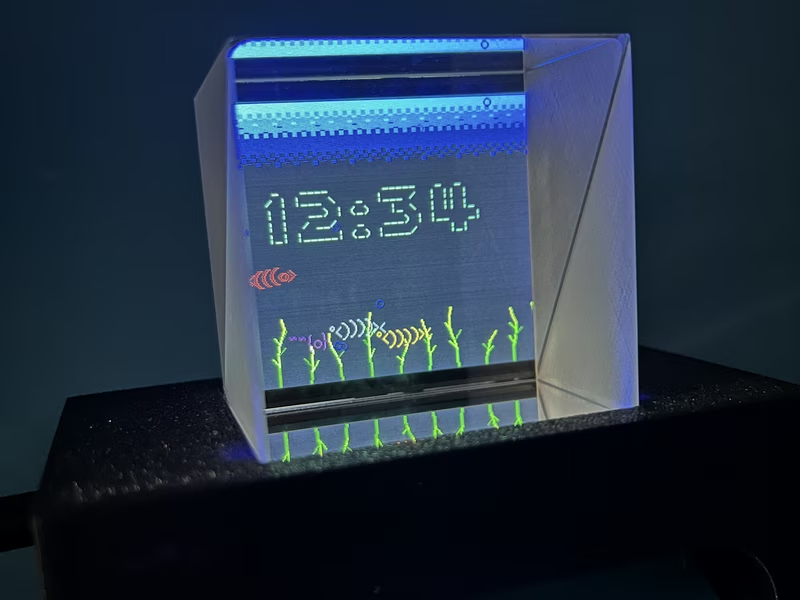
ASCII Aquarium is a live-rendered fish tank simulation and clock designed for the ESP32-2432S028R 'Cheap Yellow Display.' It uses the TFT_eSPI library to animate fish, bubbles, and seaweed using ASCII characters, featuring complex schooling behaviors and touch-to-feed interactivity. The project supports Wi-Fi time synchronization, persistent settings via ESP32 Preferences, and unique hardware expansions like beam splitter cubes.
ESP32 Virtual Cat Project
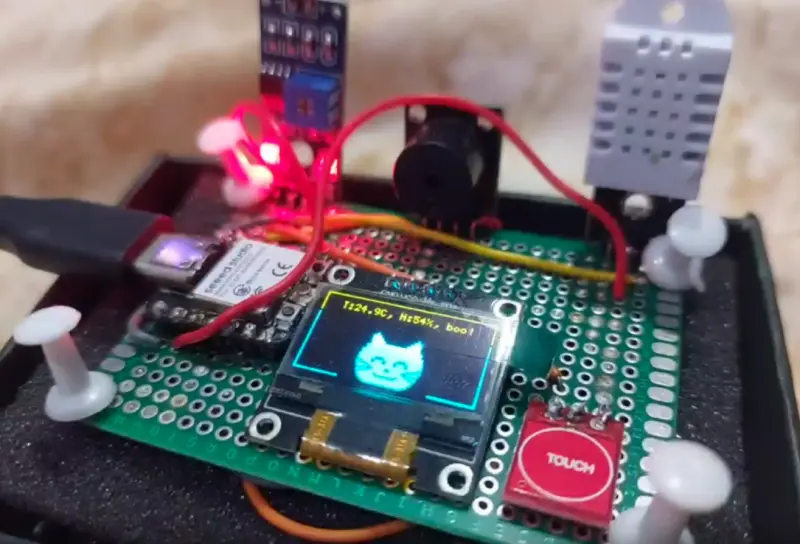
An interactive virtual pet built with Rust on the ESP32-C3, featuring environmental sensing and a state-driven animation system. It utilizes DHT and LDR sensors for environmental awareness and NVS for persistent statistics.
Denki Kurage
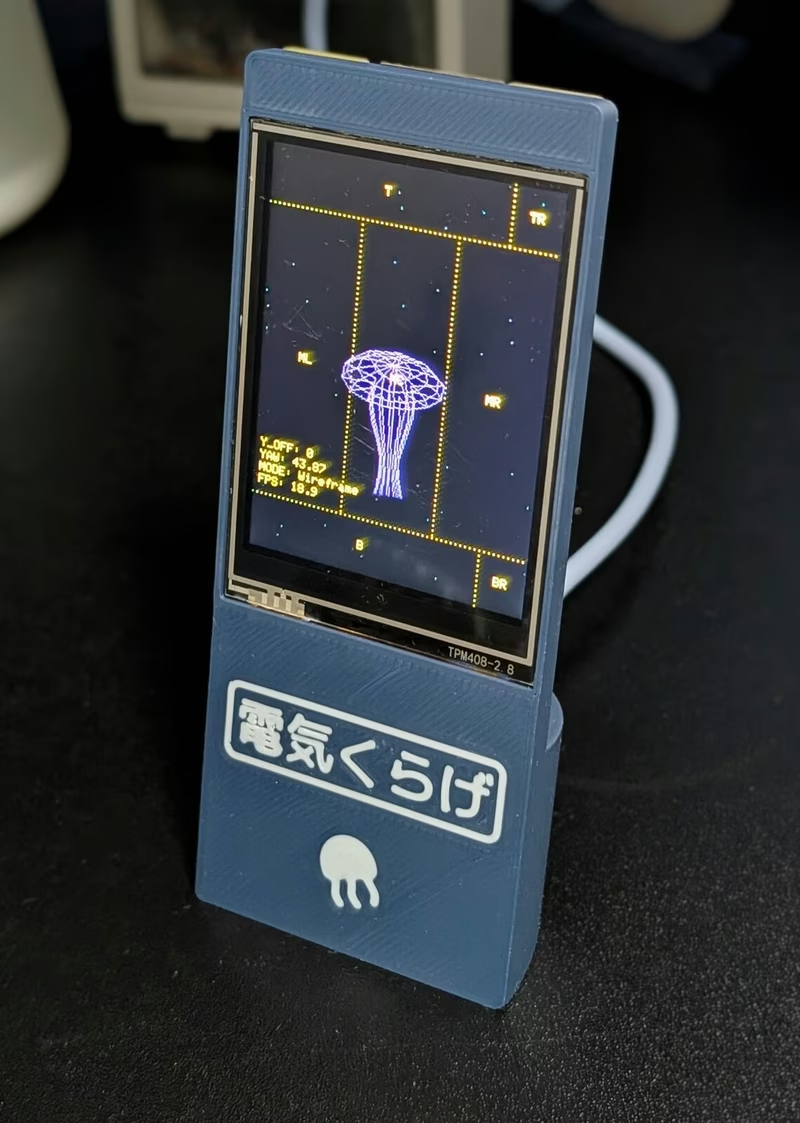
An interactive 3D jellyfish animation project designed for the ESP32-based Cheap Yellow Display (CYD). It features a low-poly rendering engine, touch-based camera and color controls, and a custom 3D-printable enclosure designed with OpenSCAD.
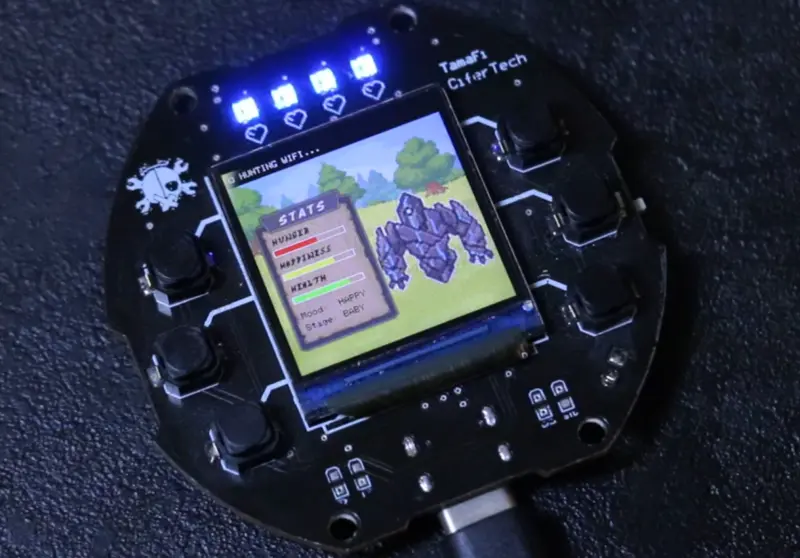
TamaFi: WiFi-Powered Virtual Pet
An autonomous virtual pet application for the ESP32-S3 that 'feeds' on nearby WiFi networks. It features a full-color UI on an ST7789 display, persistent state management via Preferences, and a custom behavior engine that evolves the pet based on environmental factors.
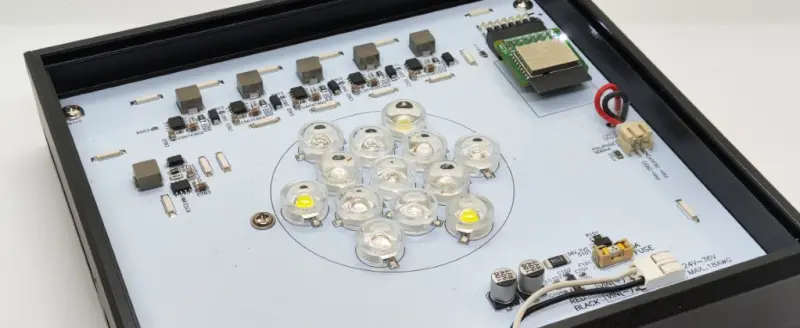
BorneoIoT: Professional Aquarium Lighting Platform
A full-stack open-source solution for smart aquarium LED control featuring ESP32-based hardware, ESP-IDF firmware, and a Flutter mobile application. It provides high-resolution PWM dimming, sunrise/sunset simulation, and efficient CoAP/CBOR communication for professional-grade lighting management.