ESP32-CAM MCP Server
A Model Context Protocol (MCP) server implementation for the ESP32-CAM that enables remote camera control and system monitoring through a standardized JSON-RPC 2.0 API. It supports image capture optimized for AI assistants, LED/flash management, and comprehensive hardware diagnostics.
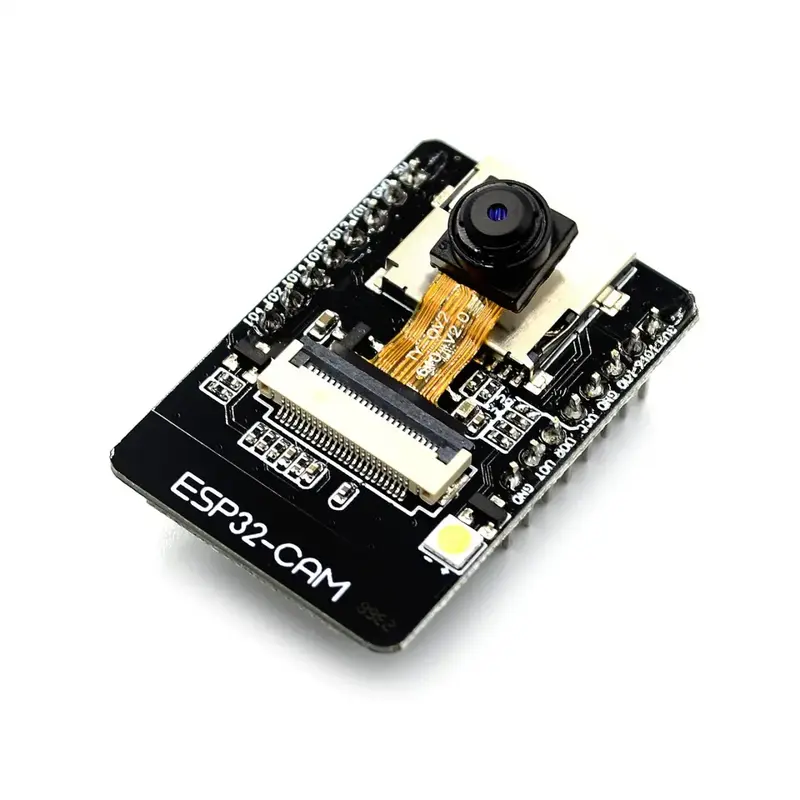
The ESP32-CAM MCP Server project transforms the popular ESP32-CAM hardware module into a remotely controllable AI-enabled camera system. By implementing the Model Context Protocol (MCP) 2024-11-05 specification, this project allows AI assistants, such as GitHub Copilot or VS Code AI-Toolkit, to interact directly with physical hardware. This bridge enables a seamless workflow where an AI can “see” through the camera, control lighting, and monitor system health in real-time.
Core Capabilities
The server exposes several hardware control tools through a standardized JSON-RPC 2.0 interface over HTTP. Users can toggle the built-in LED, trigger the flash with millisecond precision, and capture JPEG images. A significant technical feature of this project is the optimization of image data; captured photos are automatically resized and compressed to ensure the Base64-encoded output remains under 4KB, adhering to the data constraints of many AI client integrations and VS Code extensions.
Beyond simple control, the project provides deep system visibility. The system_status tool returns detailed diagnostics, including:
- CPU and Memory: Operating frequency, free heap memory, and minimum free heap recorded since boot.
- Thermal Monitoring: Internal chip temperature calculated from the ESP32’s internal sensor.
- Stability Metrics: System uptime and the specific reason for the last reset (e.g., power-on, software reset, or brownout).
- Hardware Info: Flash storage size, speed, and camera initialization status.
Technical Architecture
Built using the PlatformIO ecosystem and the Arduino framework on top of FreeRTOS, the firmware leverages the ESP32’s dual-core capabilities. The networking layer is designed for high reliability, featuring automatic WiFi reconnection with exponential backoff and a hardware watchdog timer to recover from system hangs.
The project also includes modern web features like Cross-Origin Resource Sharing (CORS) support. This allows browser-based applications to communicate directly with the ESP32-CAM without needing a proxy server, facilitating the creation of custom web dashboards or integration with tools like Home Assistant and Node-RED.
Integration and Use Cases
The MCP server is particularly well-suited for several advanced IoT scenarios:
- AI-Enhanced Monitoring: Allowing an AI assistant to analyze a scene on demand via natural language commands.
- Home Automation: Integrating camera triggers and LED status into smart home workflows.
- Remote Diagnostics: Monitoring environmental conditions and hardware health in remote deployments.
Configuration is handled securely through a .env file system, ensuring that WiFi credentials are passed as compile-time definitions rather than being hardcoded. The project supports a variety of ESP32-CAM boards, including the AI-Thinker, M5Stack, and TTGO T-Series, making it a versatile choice for developers working with computer vision at the edge.