Relive
Relive is an AI-driven photo curation and management system designed to rediscover memories stored on NAS devices. It features a distributed architecture with Go-based services, Python ML workers for facial recognition, and a custom ESP32-S3 color e-ink photo frame for daily content display.
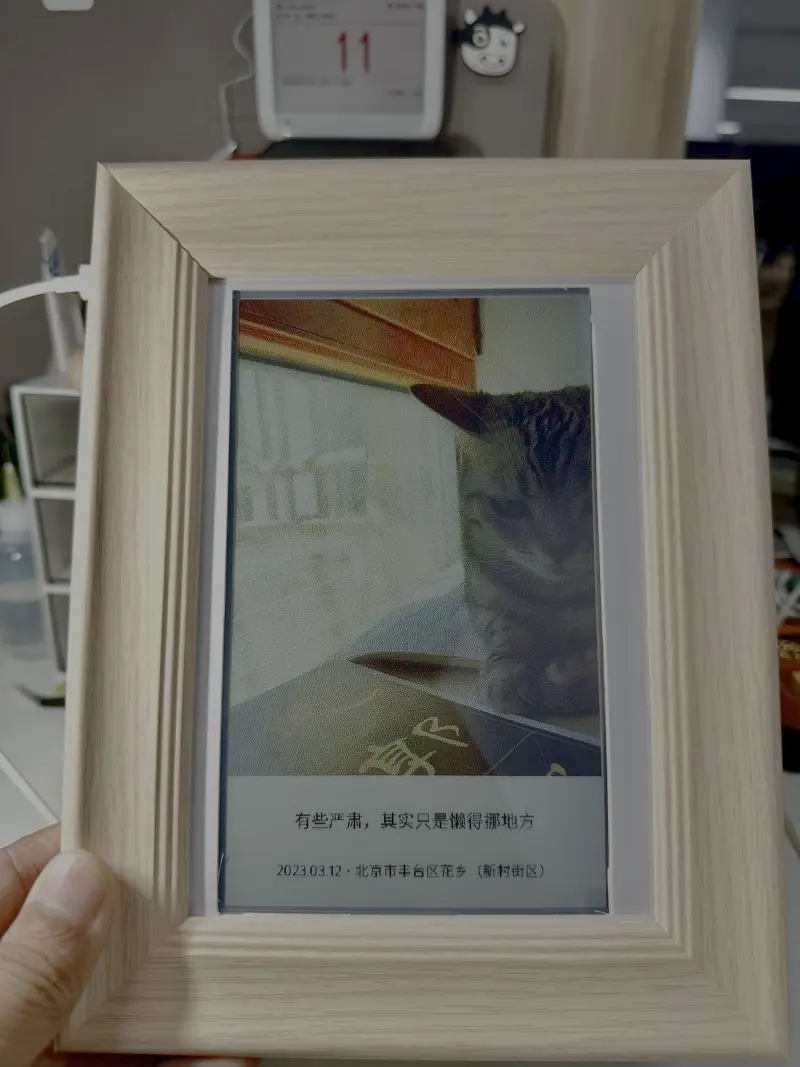
Relive is a comprehensive, self-hosted ecosystem designed to solve the problem of “digital hoarding.” While many users store thousands of family photos on Network Attached Storage (NAS) devices, these images often sit unvisited for years. Relive breathes life back into these archives by using artificial intelligence to understand photo content and proactively presenting meaningful moments on dedicated hardware displays.
Modular Architecture
The system is built with a highly modular design, allowing users to distribute the computational load across different machines. The core components include:
- Web Management Backend: A Go-based service that orchestrates photo scanning, metadata management, and display strategies.
- AI Microservices: Utilizing InsightFace, the system performs face detection and automated clustering to identify family and friends. For users with large libraries, the
relive-analyzerandrelive-people-workercan be offloaded to high-performance hardware, such as a Mac with M-series silicon or a dedicated GPU server, to accelerate processing. - Smart Curation Engine: Instead of simple random slideshows, Relive uses an event-driven engine with six “nomination channels.” It intelligently selects photos based on “On This Day” logic, aesthetic scores, geographic locations, and seasonal themes.
Custom Hardware: The E-Ink Photo Frame
A standout feature of the Relive project is its dedicated hardware integration. The repository provides full open-source support for a physical photo frame based on the ESP32-S3 microcontroller and a 7.3-inch Spectra 6 color e-ink display (800x480).
This hardware is designed for home environments where aesthetics and battery life are paramount. The frame utilizes the ESP32’s deep sleep capabilities to achieve a standby current of approximately 10μA, allowing it to run for extended periods on battery power. It connects to the Relive server via Wi-Fi, automatically waking up at scheduled intervals to fetch and render the day’s curated memory. The hardware design—including schematics, PCB layouts, and BOM—is publicly available, making it a true Open Source Hardware (OSHW) project.
Intelligent Memory Discovery
Relive goes beyond basic EXIF data. By integrating various AI providers (including Ollama, vLLM, and OpenAI), the system generates descriptive tags and aesthetic ratings for every image. The facial recognition system is particularly robust, supporting iterative feedback-driven clustering. This allows the system to “learn” who the most important people in your life are, ensuring that the most relevant faces appear more frequently on your display.
Deployment and Extensibility
Designed for the self-hosting community, Relive is primarily deployed via Docker Compose. The setup is flexible enough to support local model execution for privacy-conscious users or cloud-based APIs for those who prefer not to manage local AI infrastructure. While the current primary display target is the ESP32 e-ink frame, the project’s roadmap includes expanding to mobile apps, screen savers, and web-based viewers, making your photo library accessible across all your devices.
Related Projects
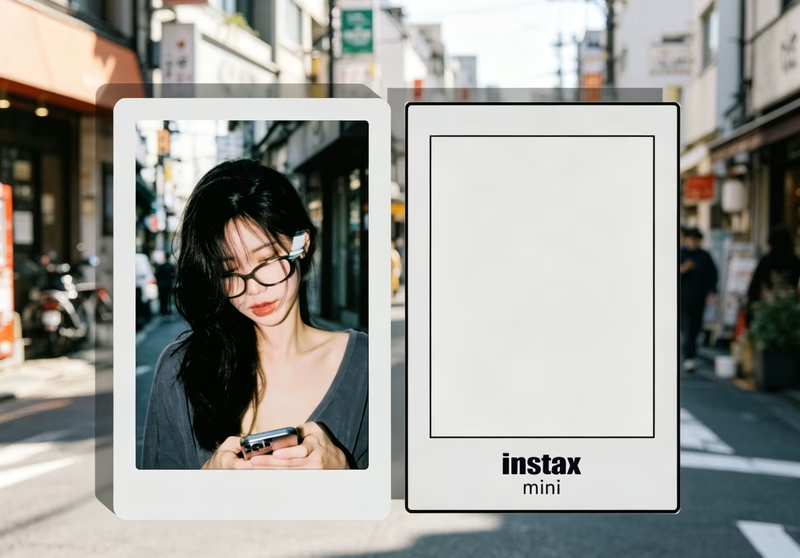
FrameFilm (帧影)
FrameFilm is a retro-styled digital film fridge magnet featuring a 3.6-inch color E-Ink display and an ESP32-S3 microcontroller. It utilizes specialized dithering algorithms to replicate a film aesthetic and supports wireless photo transmission via BLE through a web-based management tool or a WeChat mini-program.
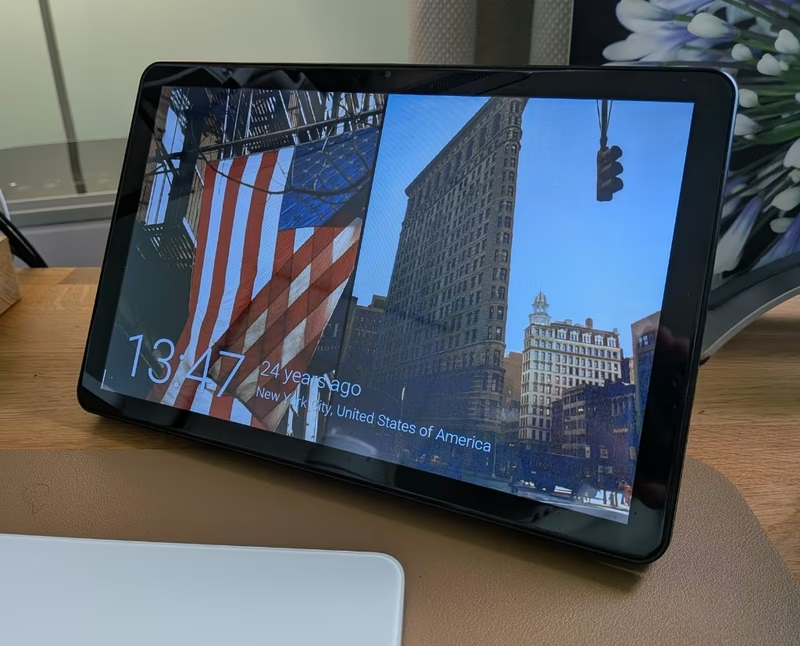
Espframe for Immich
A standalone digital photo frame firmware built with ESPHome for the ESP32-P4, designed to stream photos directly from an Immich server. It features smart portrait pairing, automatic tone adjustment, and local network privacy without requiring external hubs or cloud services.
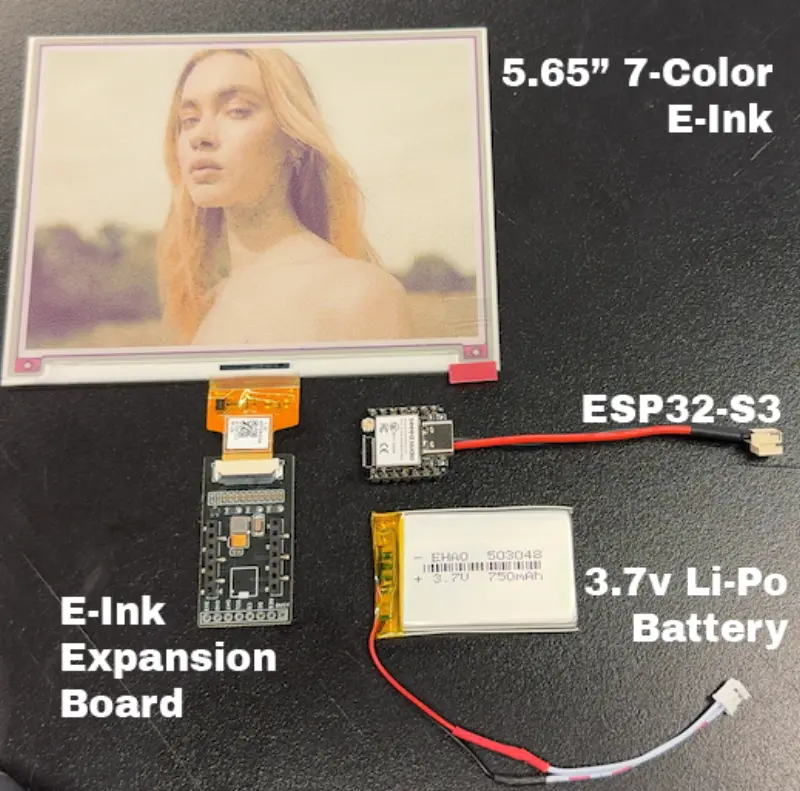
7-Color E-Paper Digital Photo Frame
A digital photo frame project utilizing an ESP32S3 and a 5.65-inch seven-color E-Paper display. It features a local Flask-based image server for automated dithering and image processing, with power-optimized hibernation cycles for long battery life.
E-Ink Assist Screen
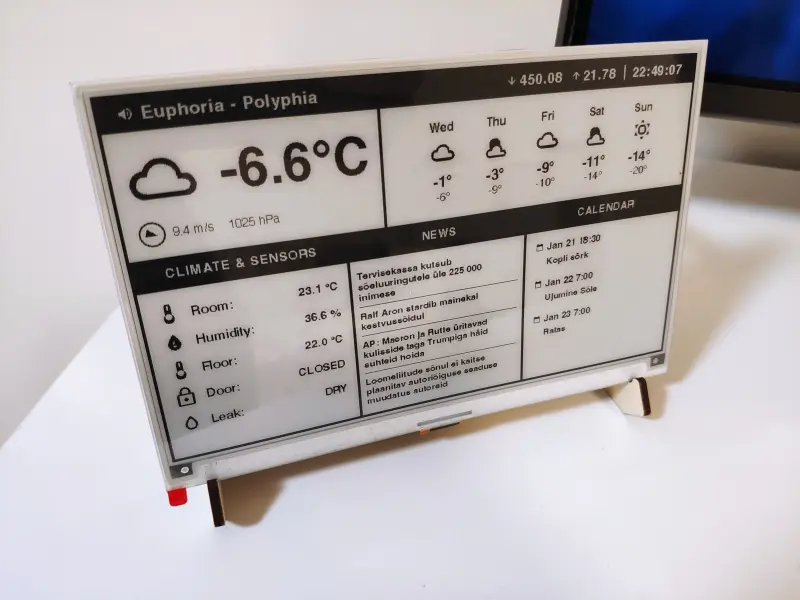
A rendering service and ESP32 client system that converts Home Assistant data into optimized 1-bit monochrome images for E-Ink displays. It features a Node.js backend for HTML-to-BMP conversion and an ESP32 firmware that supports chunked image downloading to accommodate memory-constrained hardware.
Paperlesspaper e-Paper Photo Frame Hardware
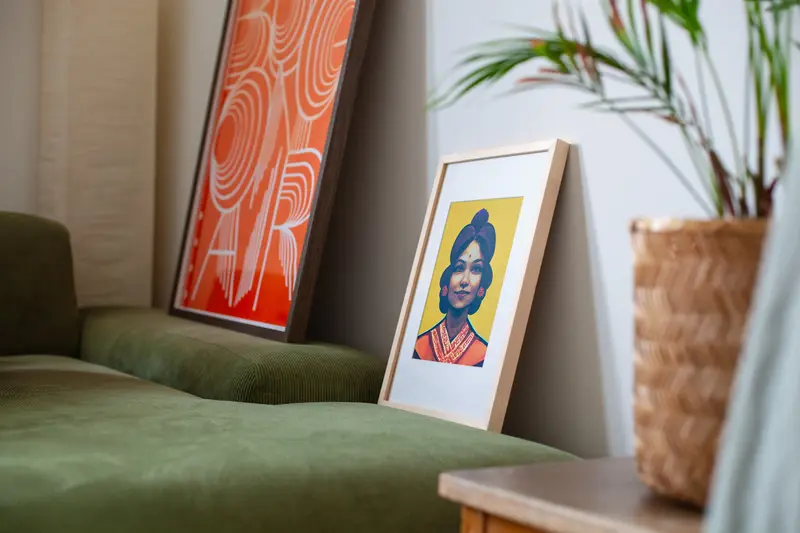
Open-source hardware design for a color e-Paper photo frame utilizing the Spectra 6 EInk display technology. The repository provides PCB source files, 3D-printable mechanical components, and laser-cutting templates for a complete embedded display assembly.