PomoDesk - Physical Pomodoro Timer
PomoDesk is an ESP32-S3-based physical Pomodoro timer designed to help users maintain a flow state while ensuring they take regular breaks. It uses a NeoPixel LED ring for visual feedback and features power-saving optimizations by disabling unused wireless radios.
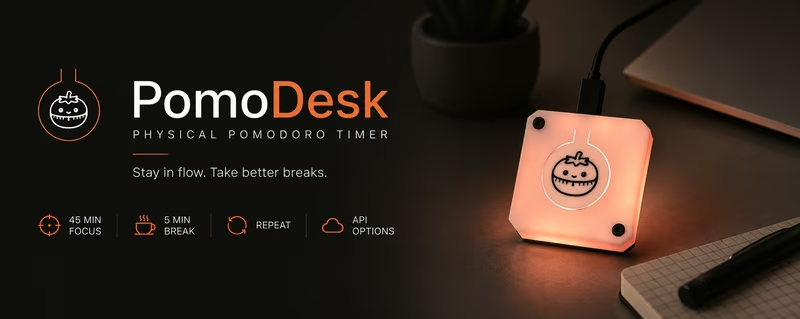
Maintaining a “flow state” during complex tasks like PCB design or software development is a double-edged sword. While it allows for deep focus, it often leads to losing track of time and neglecting necessary breaks. PomoDesk is a hardware-based solution to this problem, offering a physical Pomodoro timer that moves the countdown away from distracting screen apps and onto a dedicated desktop device.
The Hardware Foundation
At its core, PomoDesk is built around the ESP32-S3 microcontroller. This choice provides ample processing power and GPIO flexibility for managing user inputs and visual outputs. The primary interface for the user is a NeoPixel LED ring, which serves as a circular progress bar and status indicator. By using light rather than a digital clock, the device remains unobtrusive, only drawing the user’s attention when a transition occurs.
Functionality and User Experience
The system is designed for simplicity. A single physical button allows users to cycle through different modes:
- Focus Mode: A dedicated 45-minute work session.
- Break Mode: A 5-minute period to rest and reset.
- Idle Mode: The device waits for the next session.
The LED ring provides smooth color transitions to represent these states. Instead of a ticking clock, the gradual change in light offers a more organic way to sense the passage of time. This first iteration focuses on being as elegant and unobtrusive as possible, only showing visual alerts when it is time to take a break.
Firmware and Optimization
The firmware is developed using the Arduino framework, leveraging the Adafruit_NeoPixel library for lighting control. One interesting technical aspect of the project is its focus on power management. Since the ESP32-S3 is a wireless-capable chip, the firmware explicitly disables Wi-Fi and Bluetooth to reduce power consumption and heat. This makes the device more suitable for battery-powered operation or simply more efficient as a USB-powered desktop accessory.
The code handles state management and timing logic, ensuring that the transitions between work and rest are handled reliably. Future iterations aim to expand on these features, potentially incorporating API options for deeper integration into a user’s digital workflow and refining the physical enclosure for a more polished finish.
Related Projects
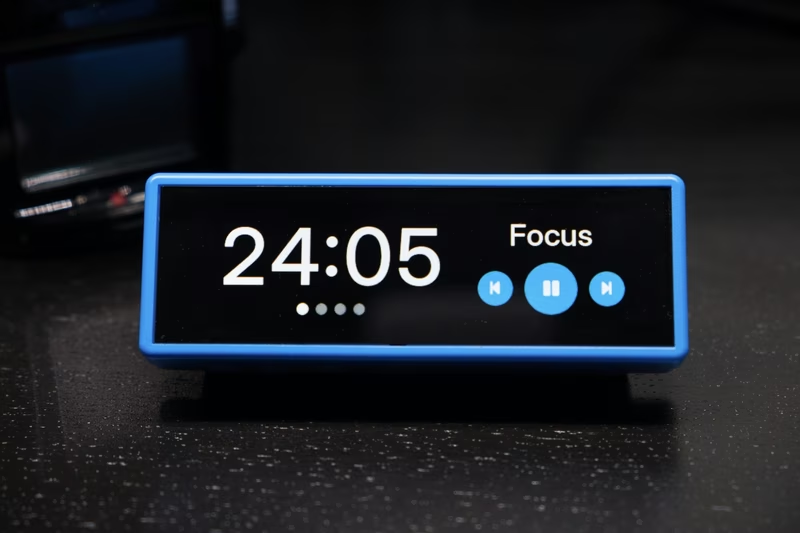
Tomato32
Tomato32 is a Pomodoro timer application specifically designed for the Waveshare ESP32-S3-Touch-LCD-3.49 development board. It features a responsive touchscreen interface built with the LVGL graphics library and runs on the ESP-IDF framework using FreeRTOS. The project supports customizable timer profiles, smart power management, and personalized background assets.
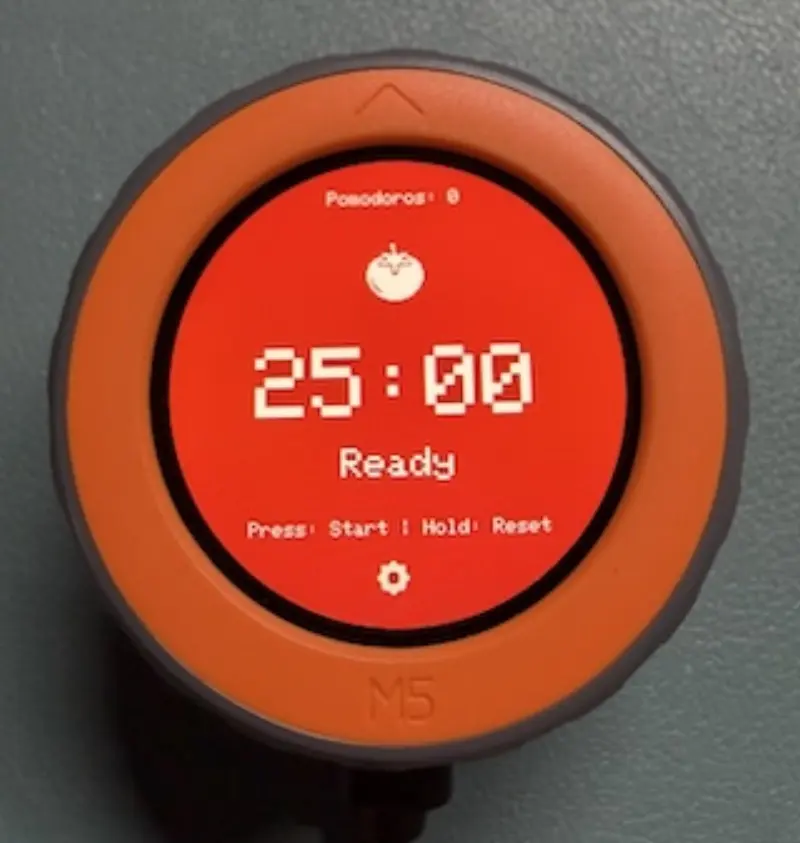
Pomodoro Timer Dial for M5Stack Dial
An efficient and modular Pomodoro timer implementation specifically designed for the M5Stack Dial v1.1. It leverages the ESP32-S3 to provide a smooth rotary-based user interface, smart break calculations, and a high-performance display engine with SPIFFS-based asset management.
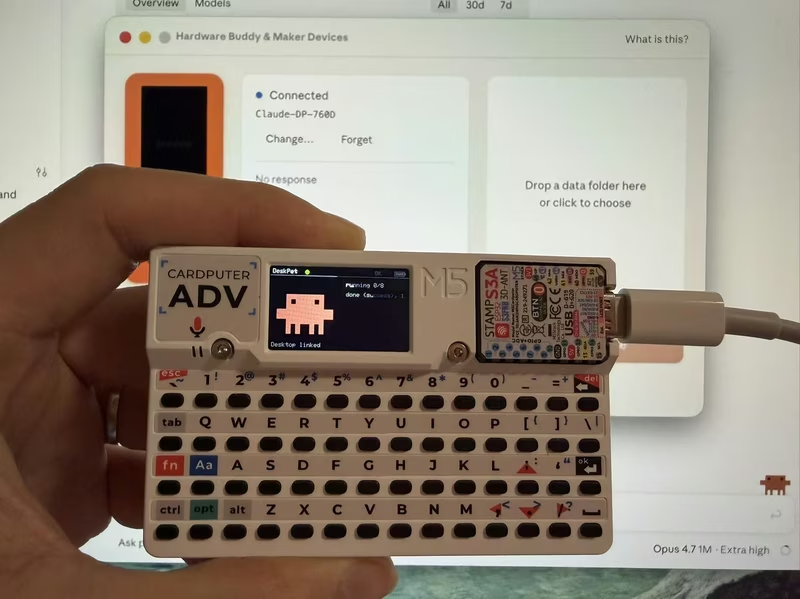
DeskPet
DeskPet is a pixel-art companion for the M5Stack Cardputer that synchronizes with Claude Code sessions via Bluetooth Low Energy. Built on the ESP32-S3 using the Arduino framework and NimBLE, it provides real-time visual feedback on AI agent states, including task progress, token usage, and permission approvals directly from the device's keyboard.
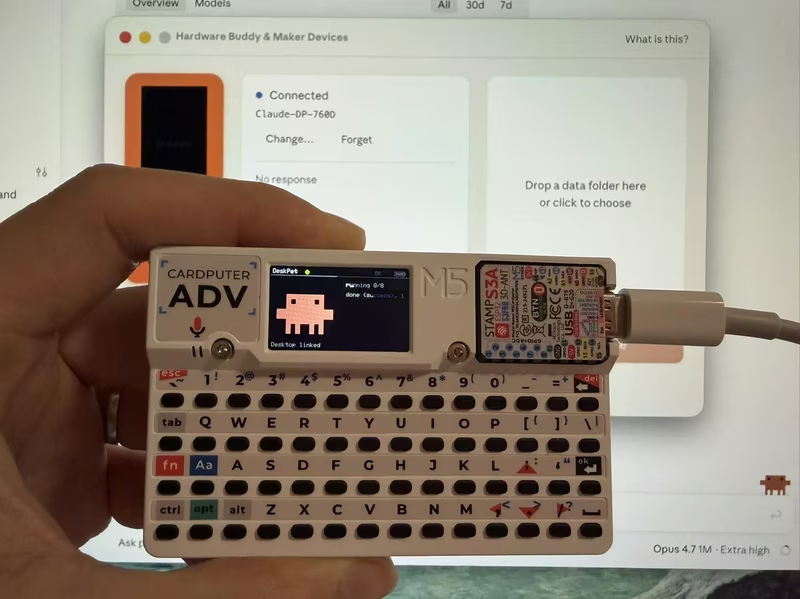
DeskPet for M5Stack Cardputer
DeskPet is a pixel-art companion for the M5Stack Cardputer that synchronizes with Claude Code sessions via Bluetooth Low Energy (BLE). Built on the ESP32-S3 using the NimBLE stack and ArduinoJson, it provides real-time visual feedback and hardware-based command approval for AI agent workflows.
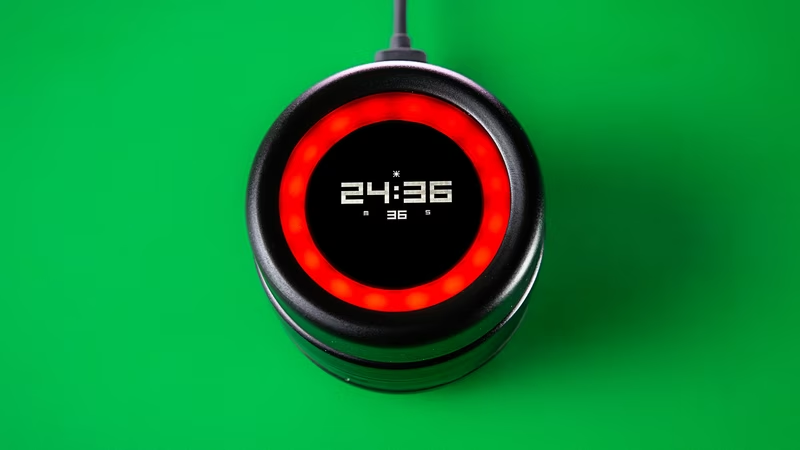
Focus Dial
Focus Dial is an ESP32-based productivity tool designed to manage focus sessions through physical hardware interaction. It integrates with Home Assistant to trigger environmental changes like lighting scenes and network-level distraction blocking while managing phone notifications via Bluetooth.
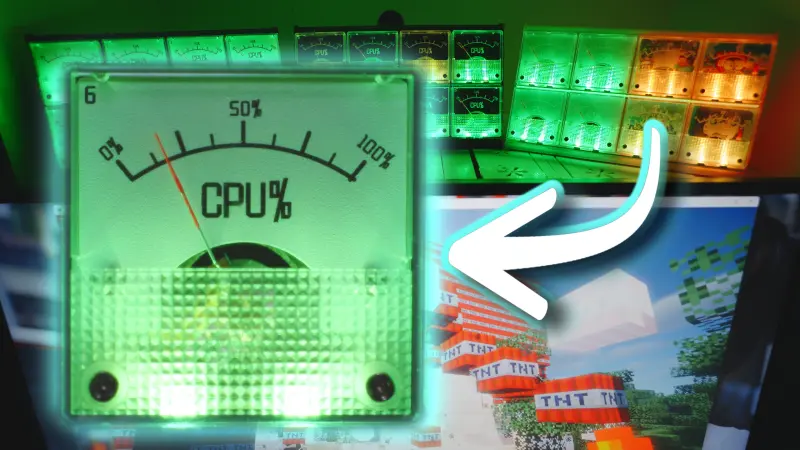
bbMonitor
An ESP32-based hardware performance monitor that visualizes computer system metrics through physical analog gauges and RGB lighting. The project leverages the Arduino framework and WebSockets to receive real-time data from a desktop companion app, providing a tactile and vintage-inspired dashboard for modern PC monitoring. It includes complete hardware design files, including PCB schematics and CAD drawings for the enclosure.