LVGL for PinePhone and WebAssembly with Zig and Apache NuttX RTOS
A project demonstrating the development of a feature phone user interface using the Zig programming language and the LVGL graphics library. It targets the PinePhone running Apache NuttX RTOS while providing a WebAssembly-based simulation environment for rapid UI development in the browser.
Overview
Developing sophisticated user interfaces for embedded devices often involves a slow cycle of compiling, flashing, and testing on physical hardware. The pinephone-lvgl-zig project addresses this challenge by creating a dual-target development environment. It allows developers to build a Feature Phone UI for the PinePhone running Apache NuttX RTOS using the Zig programming language and the LVGL (Light and Versatile Graphics Library), while simultaneously supporting a WebAssembly (Wasm) target for instant previews in a web browser.
By leveraging Zig’s seamless C interoperability and its ability to target WebAssembly natively, the project demonstrates how to write a single codebase that runs on both a high-performance AArch64 mobile device and a standard web browser.
Key Features
- Cross-Platform UI Development: Write UI logic in Zig that compiles for both the PinePhone (NuttX) and the Browser (Wasm).
- Zig Wrappers for LVGL: Includes a Zig module that wraps the LVGL C API, making it more ergonomic for Zig developers while maintaining access to the full power of the library.
- WebAssembly Simulation: A complete simulation layer that maps LVGL’s display and input buffers to HTML5 Canvas and JavaScript events, enabling full interactivity in the browser.
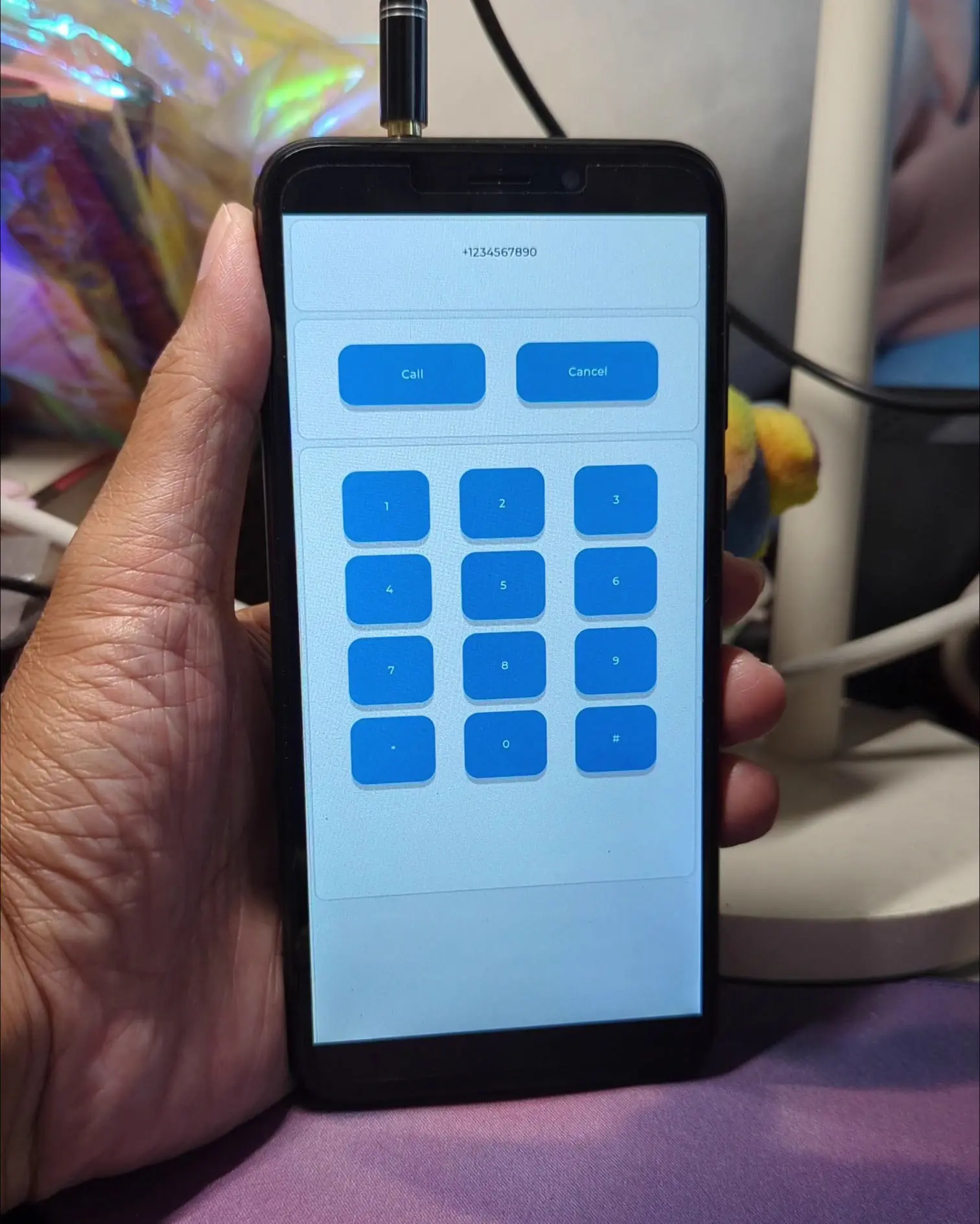
- Feature Phone UI Example: A practical demonstration of a mobile-style interface, including a dialer with digit buttons, call/cancel actions, and dynamic label updates.
- NuttX Integration: Detailed build scripts showing how to integrate Zig-compiled object files into the NuttX build system for the PinePhone.
Technical Implementation
Zig and LVGL Interoperability
The project uses Zig’s @cImport to pull in LVGL headers directly. Because some LVGL types use bitfields (which are opaque in Zig), the project utilizes a small C shim (display.c) to handle display driver initialization and input device registration. This hybrid approach ensures that the complex parts of the LVGL configuration are handled safely in C, while the application logic remains in Zig.
The WebAssembly Target
To make the UI runnable in a browser, the project uses zig cc to compile the LVGL C source files into WebAssembly object files. These are then linked with the Zig application code. Since standard C libraries like malloc and strlen behave differently in a freestanding Wasm environment, the project implements a custom memory allocator using Zig’s FixedBufferAllocator and provides custom implementations for essential string functions.
Hardware Support
The primary hardware target is the PinePhone, an Allwinner A64-based smartphone. The project targets the Cortex-A53 (armv8-a) architecture. On the software side, it relies on Apache NuttX RTOS to provide the underlying hardware abstraction and task management required to run the LVGL stack.
Feature Phone UI Logic
The core of the project is a “Feature Phone” application. It organizes the screen into three main containers using LVGL’s Flex layout:
- Display Label: Shows the currently dialed number with support for LVGL text recoloring.
- Action Buttons: Contains “Call” and “Cancel” buttons.
- Digit Grid: A grid of buttons for numbers 0-9 and symbols * and #.
The Zig event handler manages the state of the dialer. When a digit is clicked, it appends the character to a null-terminated buffer and updates the LVGL label. If the “Call” button is pressed, the code branches based on the target: simulating a call in the browser console or preparing an actual modem command on the PinePhone.
Getting Started
The repository provides a comprehensive build.sh script that automates the complex process of compiling LVGL for WebAssembly. Developers can use this as a template for their own Zig-based embedded projects. The project also highlights the use of Rancher Desktop or VSCode Remote Containers to maintain a consistent Zig toolchain version, ensuring that the latest compiler features are available regardless of the host operating system.