esp-nus — High-throughput BLE 5 UART bridge
A transparent UART-to-BLE cable replacement for the ESP32-C6 that implements the Nordic UART Service (NUS). It is specifically optimized for high throughput using BLE 5 features like LE 2M PHY, Data Length Extension (DLE), and credit-based flow control.
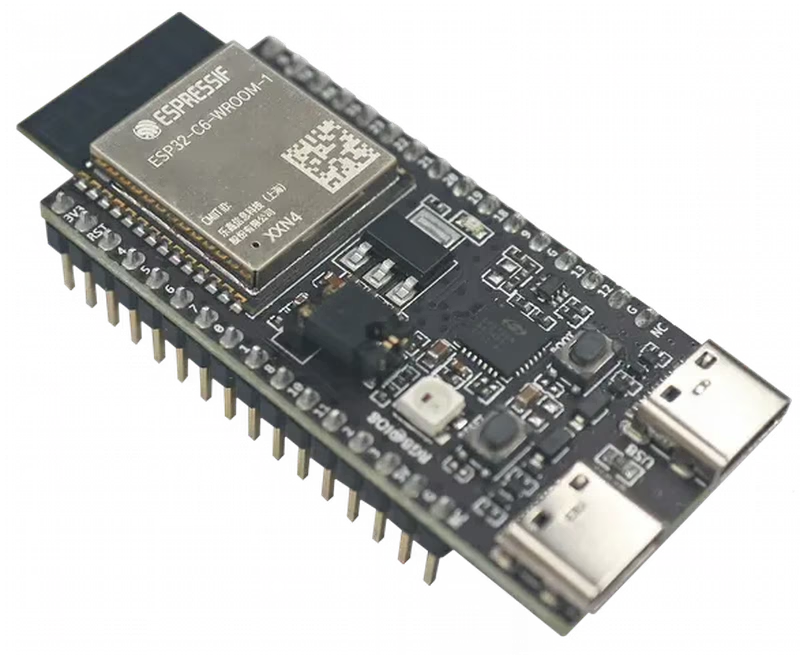
In the world of wireless prototyping, the “wireless serial cable” is a classic utility. The esp-nus project provides a high-performance implementation of this concept for the ESP32-C6, leveraging the Nordic UART Service (NUS) to bridge hardware UART signals over Bluetooth Low Energy. While many BLE-UART bridges suffer from latency or low data rates, this project is specifically engineered to maximize throughput by utilizing the advanced features of the BLE 5 stack.
High-Throughput Optimization
What sets this project apart is its focus on efficiency and speed. Most standard BLE implementations default to conservative parameters to save power, but esp-nus is tuned for raw performance. It achieves this through several key mechanisms:
- LE 2M PHY: By using the 2Mbps physical layer, the project effectively doubles the raw air-rate compared to standard 1M PHY.
- Data Length Extension (DLE): The system requests 251-byte link-layer payloads. This ensures that large data packets aren’t fragmented at the air-interface level, reducing overhead.
- Optimal MTU Sizing: While it supports a preferred MTU of up to 512 bytes, it is optimized for an MTU of 247. This specific size allows a 244-byte payload to fit perfectly into a single link-layer PDU when combined with L2CAP headers, avoiding on-air fragmentation entirely.
- Aggressive Connection Parameters: It requests a 7.5 ms connection interval, the minimum allowed by the BLE specification, to ensure the lowest possible latency for serial data.
Architecture and Flow Control
The bridge is built on the ESP-IDF framework using the NimBLE stack. One of the most critical challenges in high-speed UART-to-BLE bridging is handling the mismatch between the continuous stream of UART data and the packetized nature of BLE.
To solve this, esp-nus implements flow-controlled notifications using a credit pool (NUS_TX_CREDITS). This mechanism keeps multiple notifications pipelined to the Bluetooth controller without exhausting the memory pool. When the controller confirms a transmission via the BLE_GAP_EVENT_NOTIFY_TX event, credits are returned. This creates a natural backpressure system: if the BLE link cannot keep up, the UART source is throttled, preventing data loss or buffer overflows.
NUS GATT Layout
The project implements the standard Nordic UART Service, making it compatible with a wide range of mobile apps and desktop tools that support the NUS protocol:
| Role | UUID | Properties |
|---|---|---|
| Service | 6E400001-B5A3-F393-E0A9-E50E24DCCA9E |
Primary |
| RX (Central → Device) | 6E400002-… |
Write, Write No Response |
| TX (Device → Central) | 6E400003-… |
Notify |
Hardware and Configuration
While developed and tested on the ESP32-C6-DevKitC, the project is highly configurable via the ESP-IDF menuconfig system. Users can adjust the advertised device name, UART port numbers, and baud rates (defaulting to 921600 to match BLE throughput).
For high-speed operation, hardware flow control (RTS/CTS) is highly recommended and supported by the driver to avoid RX overruns. The project also utilizes the ESP32-C6’s ability to move the console to USB-Serial-JTAG, which frees up the primary hardware UART (UART0) specifically for the bridge application.
Related Projects
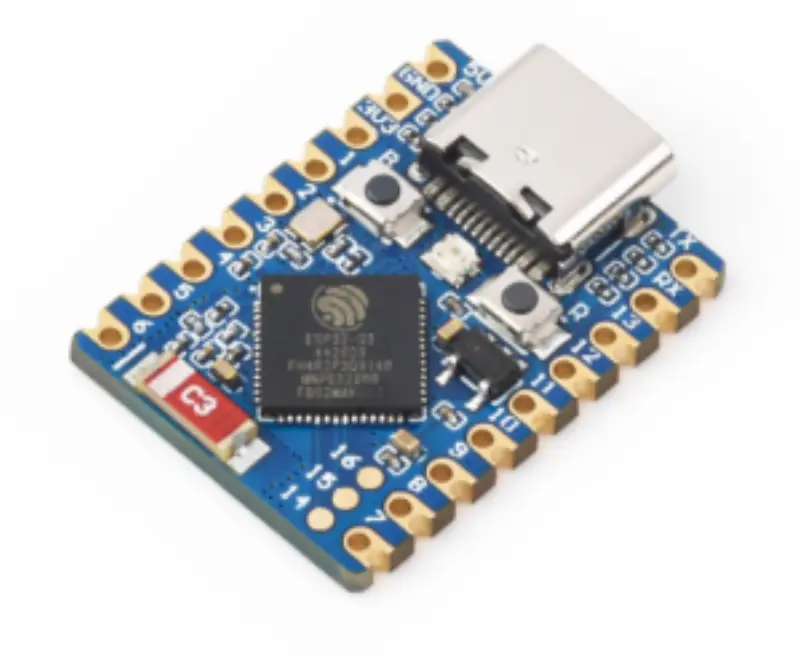
ESP32 UART Bridge
A high-performance serial communication hub for ESP32 and ESP32-S3 microcontrollers that bridges UART data to USB, WiFi, and Bluetooth. It features protocol-aware optimizations for MAVLink, SBUS, and CRSF, and includes a comprehensive web-based configuration interface.
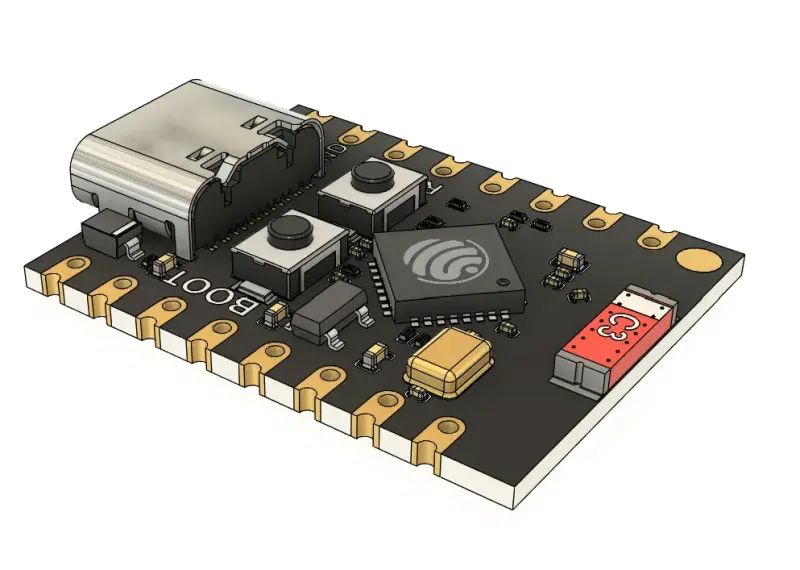
DShare-HID
DShare-HID is a high-performance utility that enables sharing keyboard and mouse inputs with mobile devices using an ESP32-C3 Supermini as a hardware bridge. It converts desktop input events into Bluetooth Low Energy (BLE) HID signals, allowing seamless control of iOS and Android devices without additional software on the target. The project is a derivative of Deskflow and supports Windows, macOS, and Linux hosts.
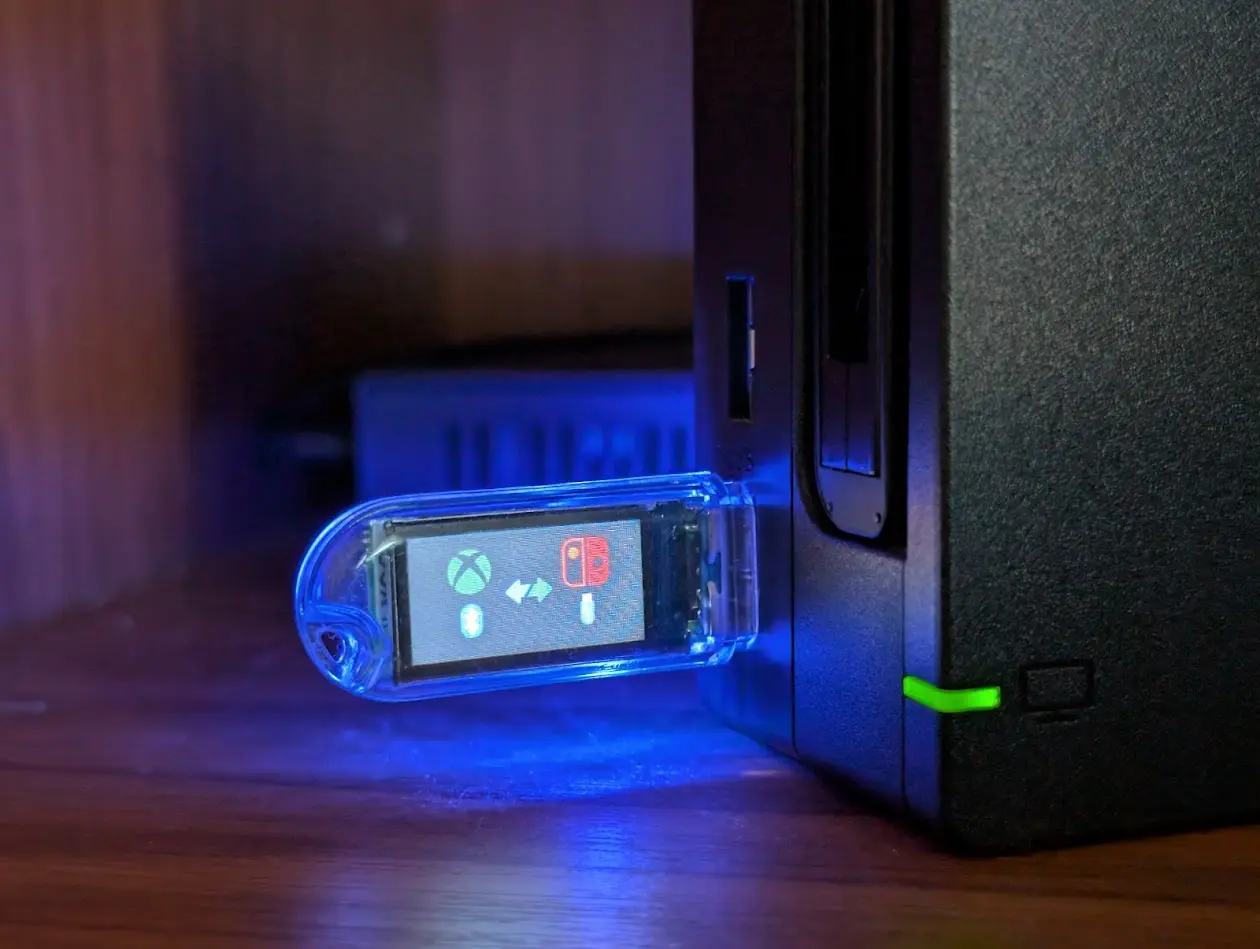
ESP USB BLE HID Bridge
A firmware project for ESP32-S3 that acts as a USB-to-BLE HID bridge, allowing Bluetooth controllers like the Xbox Wireless Controller to be used with the Nintendo Switch. It utilizes ESP-IDF, FreeRTOS, and the TinyUSB stack to emulate a Nintendo Switch Pro Controller over USB while acting as a BLE GATT client.
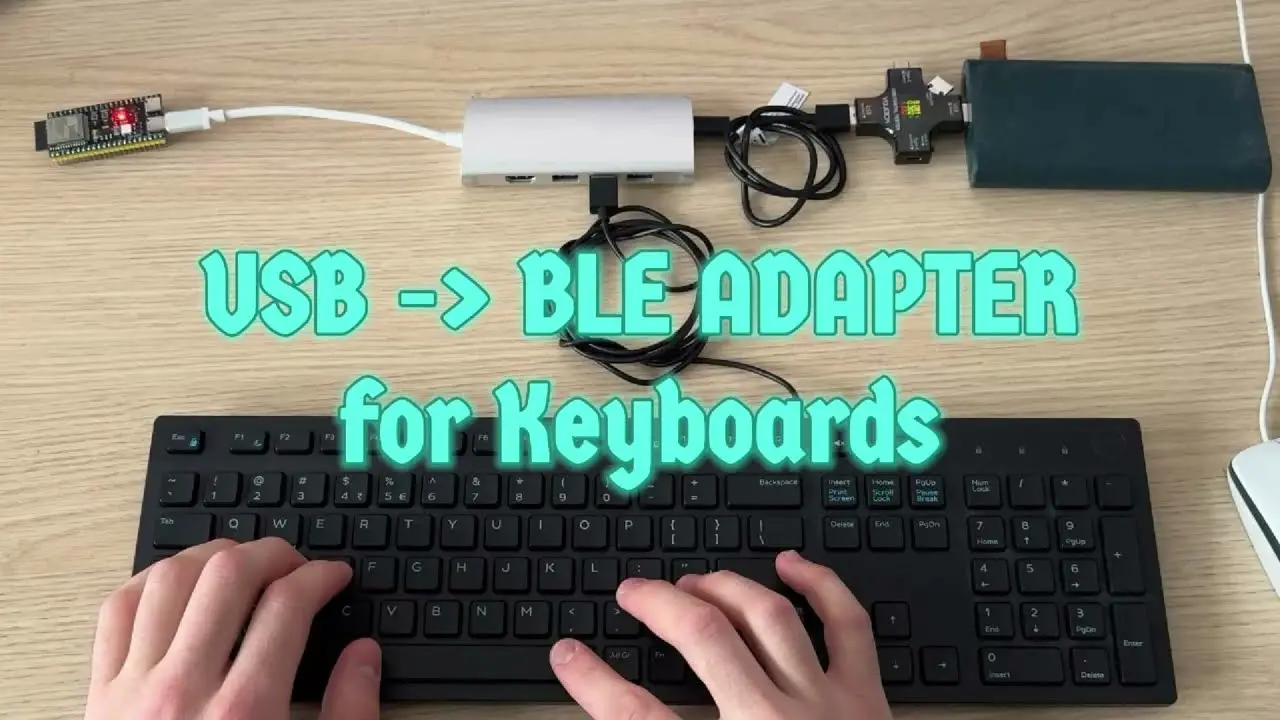
ESP32-S3 USB to BLE Keyboard Bridge
This project transforms standard USB keyboards into wireless Bluetooth Low Energy (BLE) devices using the ESP32-S3's native USB-OTG hardware. It features multi-device switching for up to three paired hosts and utilizes the NimBLE stack for low-latency HID report forwarding.