Crypto Price Viewer
A standalone DIY cryptocurrency price display built around the Seeed Studio XIAO ESP32C6 and a 240x320px TFT screen. The project leverages Wi-Fi connectivity to fetch real-time market data and provides a captive portal for easy configuration via smartphone.
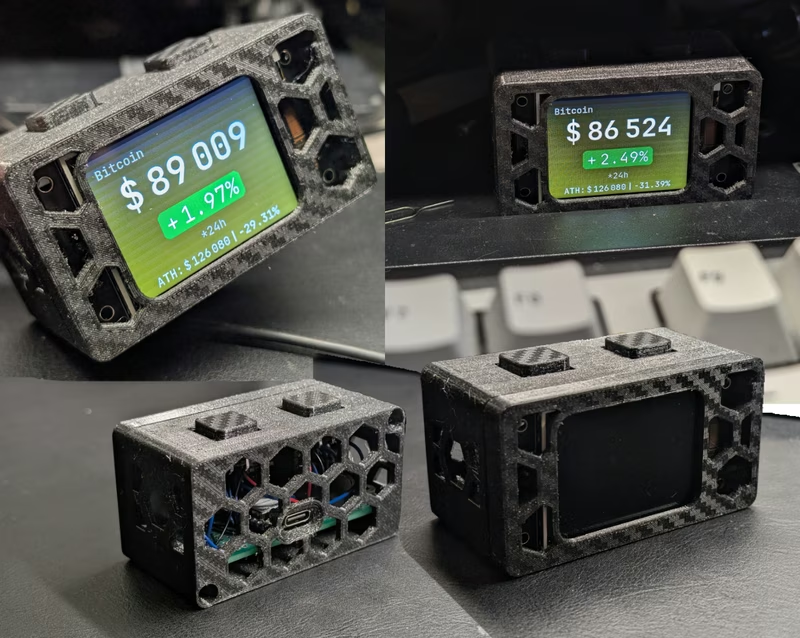
The Crypto Price Viewer is a dedicated hardware project designed to provide real-time cryptocurrency market data on a standalone device. Unlike desktop widgets or phone apps, this device operates independently of a computer, housing its components in a custom 3D-printed case with a vibrant color screen.
Core Features
The device is built to track and display up-to-date cryptocurrency prices using a 240x320px screen. Navigation is handled through physical tactile buttons, allowing users to cycle through different coins. Beyond visual data, the system includes a buzzer for audible alerts and integrated Wi-Fi for internet access. One of the standout features is its ease of setup; users can connect to the device’s Access Point (AP) and configure network settings and coin preferences directly from a smartphone.
Hardware Architecture
The project is powered by the Seeed Studio XIAO ESP32C6, a compact and capable microcontroller. The visual output is handled by a 2-inch TFT Display (ST7789). The physical interface consists of two B3F-4055 tactile switches, while a simple buzzer provides sound feedback. For users in areas with weaker signals, the design supports an optional mini antenna with a uFL connector. The entire assembly is mounted on a 30x70mm perfboard and enclosed in a two-part 3D-printed case secured with screws.
Setup and Configuration
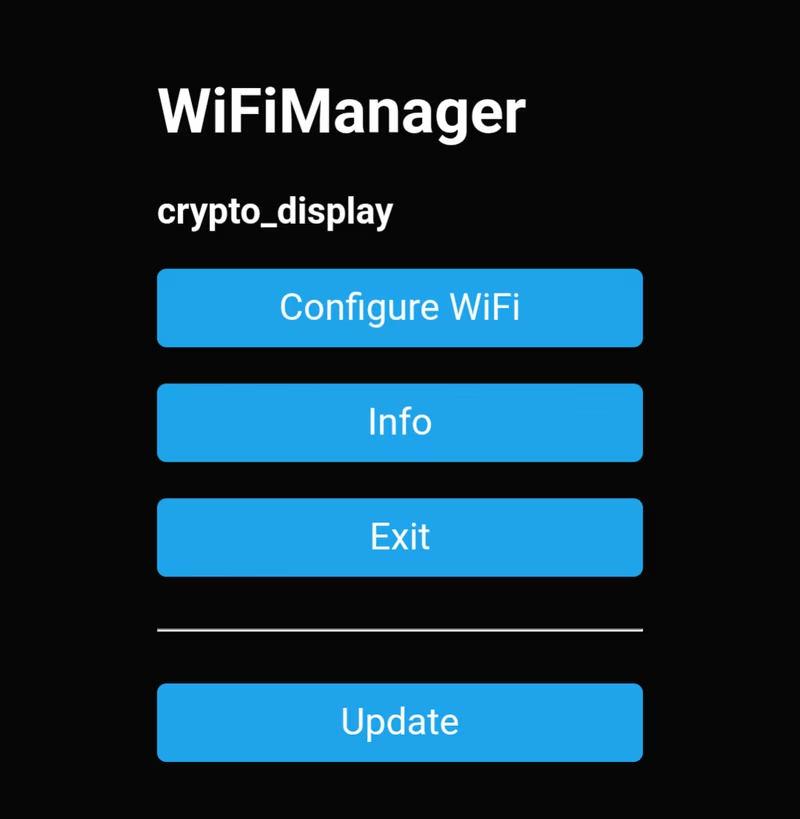
Upon initial boot, the device enters a configuration mode, presenting a setup screen. Users connect to the device’s broadcasted Wi-Fi network to access a captive portal. This interface allows for the selection of local Wi-Fi credentials and the customization of up to three specific cryptocurrencies to be tracked on the display.
Operation and Logic
Once configured, the device refreshes the price of the currently displayed coin every 10 minutes. This interval is chosen to prevent hitting API rate limits but can be adjusted in the firmware.
The control scheme is intuitive:
- Left Button Press: Cycles to the next configured coin.
- Left Button Hold: Forces an immediate price refresh for the current coin.
- Right Button Press: Resets the device.
- Right Button Hold: Re-enters configuration mode for changing Wi-Fi or coin settings.
Software Design
The firmware is developed in C++ using the Arduino framework. It relies on several key libraries, most notably TFT_eSPI for high-performance display rendering, ArduinoJson for parsing API responses, and WiFiManager for handling the initial configuration portal.
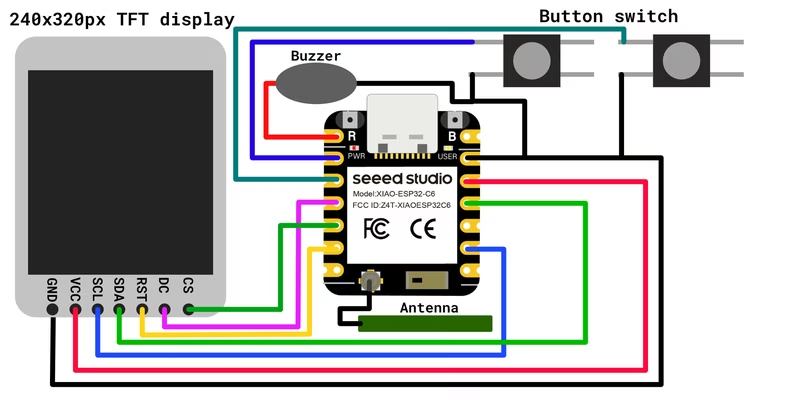
To ensure proper display performance, the project requires specific configuration of the User_Setup.h file within the TFT_eSPI library to define the SPI pins (MOSI, SCLK, CS, DC, RST) and the ST7789 driver settings. Due to the size of the firmware and its graphical assets, the Arduino IDE must be configured with a “Huge APP” partition scheme to accommodate the compiled binary.
Assembly and Integration
Assembly involves soldering the XIAO controller and components onto the perfboard according to a specific wiring map. The display connects via SPI, while the buttons and buzzer occupy standard GPIOs.
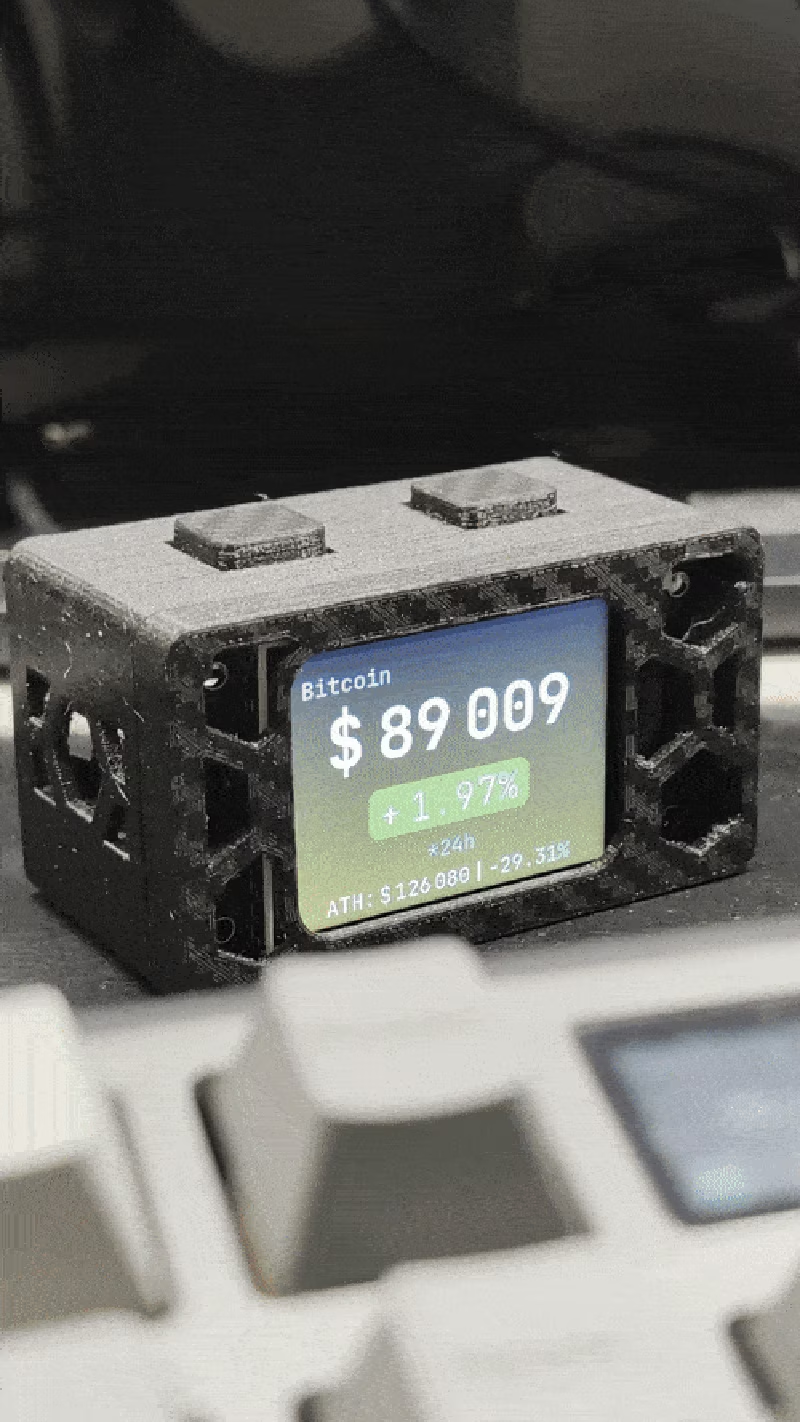
The final physical build involves sliding the completed perfboard into the 3D-printed housing, placing the button caps, and securing the assembly. This modular approach makes it an accessible project for those looking to combine embedded programming with custom hardware design.
Related Projects
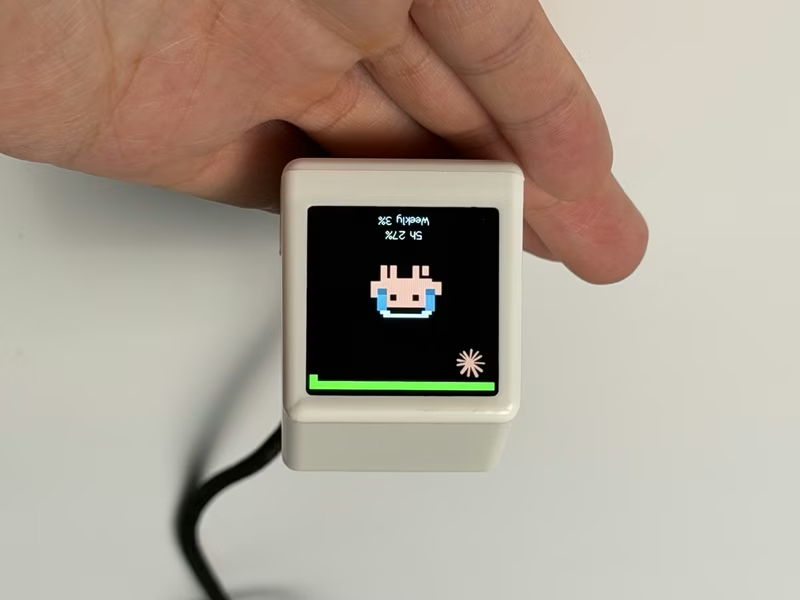
ESP32 AI Mini Screen
A retro-styled desktop companion for ESP32-C3 and ESP8266 that monitors AI coding assistant usage, stock markets, and system telemetry. It leverages the Arduino framework with TFT_eSPI and AnimatedGIF libraries to display real-time data provided by a local bridge application.
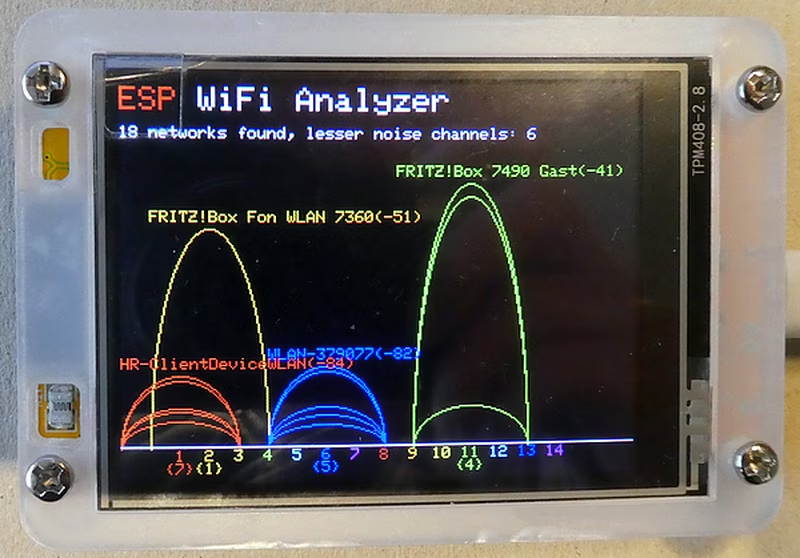
ESP32 Cheap Yellow Display (CYD) Wi-Fi Analyzer
This project transforms an ESP32 'Cheap Yellow Display' (CYD) into a graphical Wi-Fi signal analyzer, visualizing network strength and channel congestion. It utilizes the Arduino_GFX_Library to support various display drivers like the ST7789 and ILI9341 on a 320x170 resolution screen, making it compatible with multiple hardware iterations of the CYD platform.
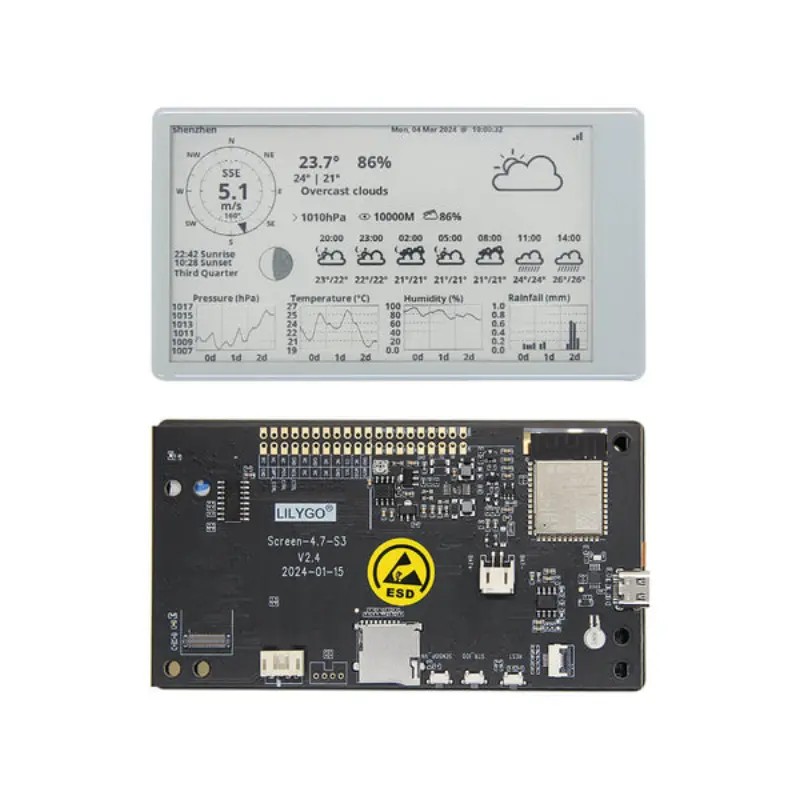
Tibber Price E-Ink Display
An ESP32-based project designed to fetch and display real-time electricity prices from the Tibber API on a Lilygo T5 4.7-inch E-Ink display. It utilizes the Arduino framework and focuses on providing an accessible, low-cost hardware solution for energy price monitoring.
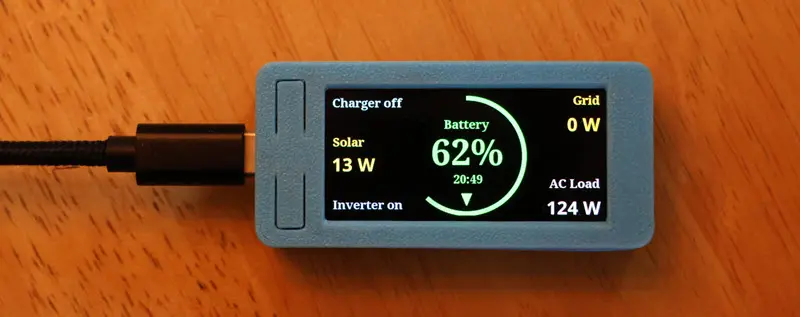
ESP32 Remote for Victron
An open-source monitoring and control solution for Victron Multiplus II systems using the LilyGo T-Display S3 AMOLED. Built on the ESP32 platform, it provides real-time data on solar power, grid status, and battery health while allowing users to toggle charger and inverter functions.
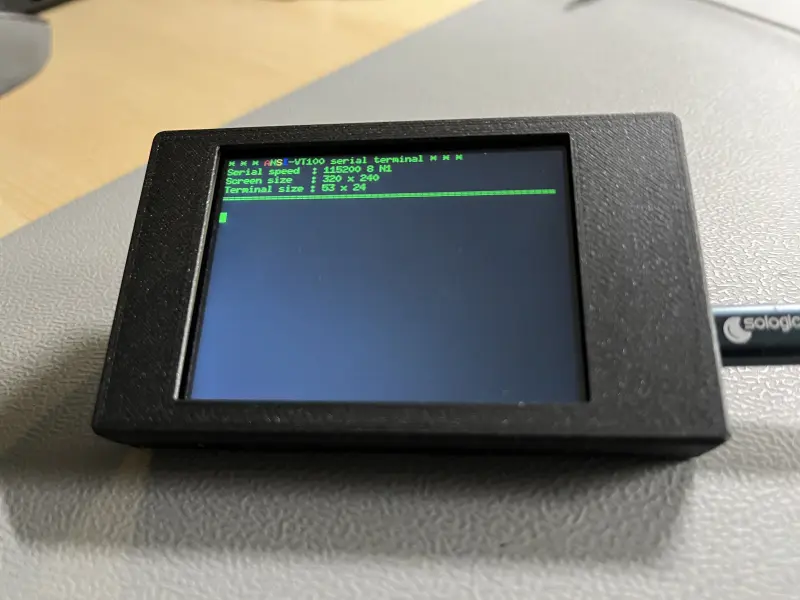
CYD ANSI-VT100 Serial Terminal
A mini-project that transforms the ESP32-based Cheap Yellow Display (CYD) into a standalone ANSI-VT100 serial terminal. It utilizes the FabGL library to handle terminal emulation and display output, allowing users to monitor serial data from other microcontrollers at 115200 baud without a PC.
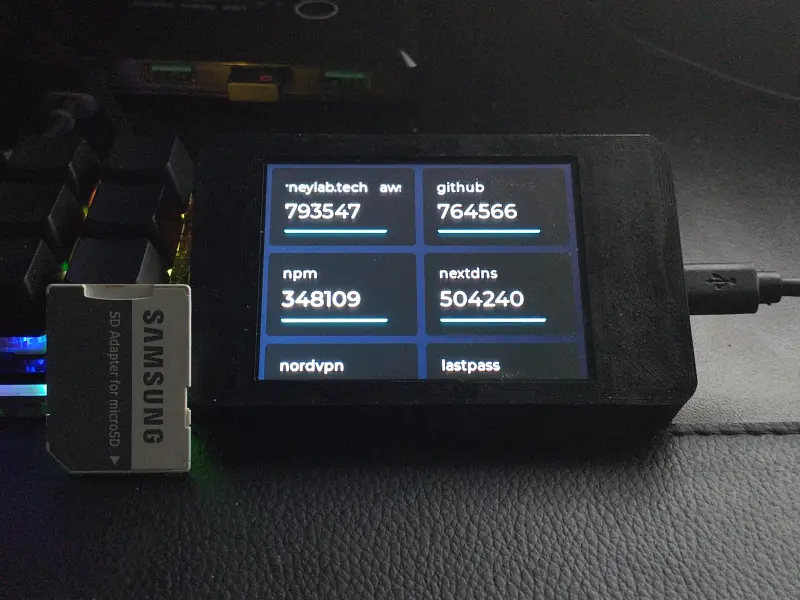
ESP32 MFA Authenticator
A standalone hardware TOTP generator for the ESP32 platform, featuring a touch-screen interface powered by LVGL. It provides a secure way to manage MFA codes without a smartphone, supporting WiFi time synchronization and SD card configuration.