WallaBMC
A lightweight Baseboard Management Controller (BMC) firmware built on Zephyr RTOS for STM32 and RISC-V microcontrollers. It provides essential server management features including a Redfish-compliant API, host power control, and a web-based administration interface.
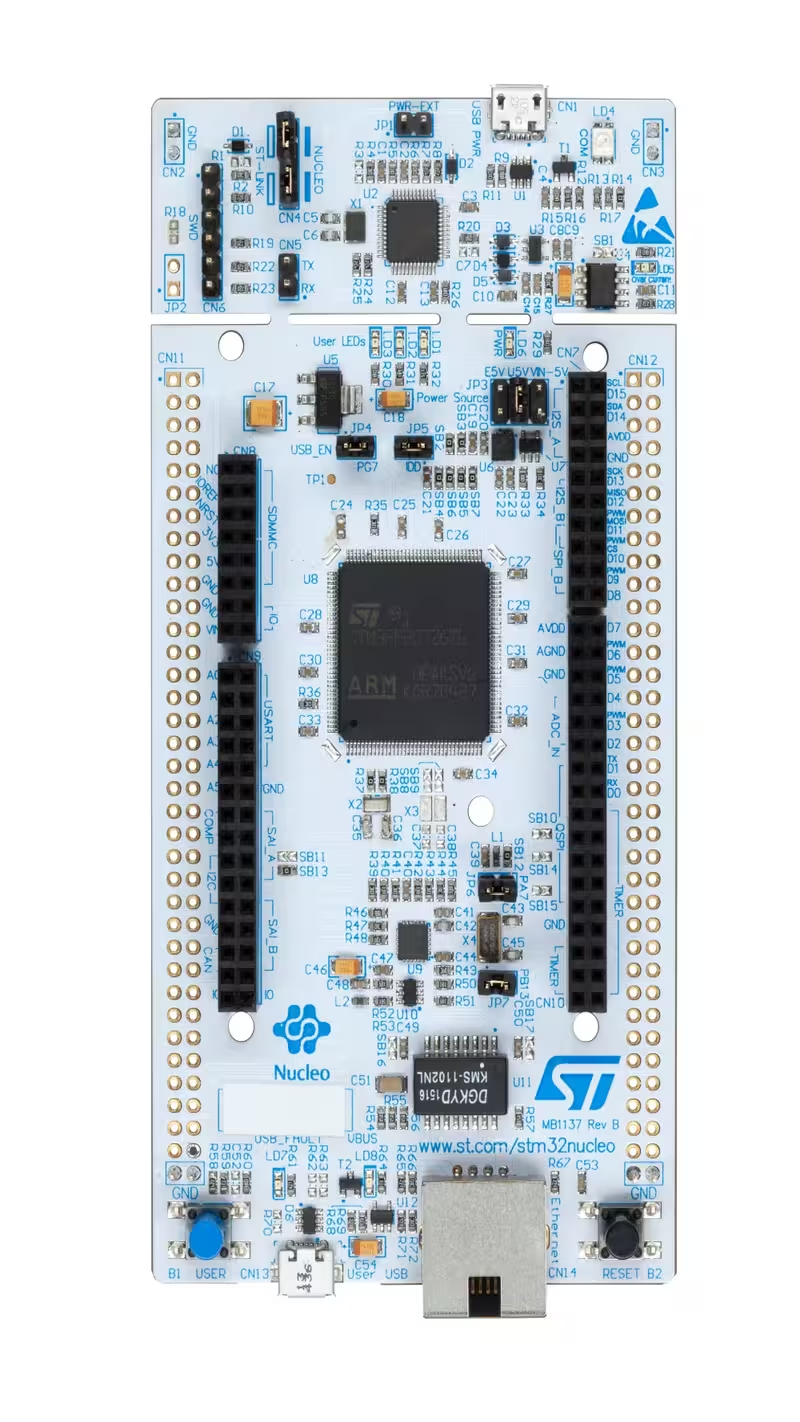
WallaBMC is a lightweight Baseboard Management Controller (BMC) firmware designed to bring essential server management capabilities to embedded systems. Developed by Tenstorrent, it targets microcontrollers like the STM32 and RISC-V based platforms, offering a streamlined alternative to full-featured, Linux-based BMC solutions. By leveraging the Zephyr RTOS, WallaBMC provides a modular and efficient foundation for monitoring and managing host systems through industry-standard interfaces.
Core Management Capabilities
At its heart, WallaBMC implements a Redfish-compliant interface, providing a modern, RESTful API for system management. This allows administrators to interact with the hardware using standard tools and scripts. For human operators, the project includes a built-in web interface (HTTP/HTTPS) that facilitates administration without requiring specialized client software.
One of the primary functions of a BMC is host power control, and WallaBMC handles this by managing power-on and power-off sequences for the host system. It also provides a bridge for host serial consoles, allowing remote access to the host’s boot logs and shell via a web terminal or telnet. This is particularly useful for debugging remote hardware where physical access is limited.
Technical Architecture and Networking
The firmware is built on the Zephyr RTOS framework, which handles hardware abstraction, threading, and networking. WallaBMC supports IPv4 networking with both static IP configuration and DHCP, including mDNS support for easy hostname resolution (defaulting to wallabmc.local).
Security and persistence are handled through integrated Zephyr modules. Secure communication is supported via HTTPS/TLS, and the system uses persistent storage to ensure that configuration settings—such as network parameters and system preferences—survive reboots. The management console is accessible through multiple channels: the physical MCU serial port, the web-based UI, or via WebSockets for programmatic or remote terminal access.
Hardware Support and Development
WallaBMC currently supports several hardware platforms, demonstrating its portability across different architectures:
- SiFive HiFive Premier P550 MCU: A RISC-V based platform where the BMC interacts with a high-performance host CPU.
- STM32 Nucleo F767ZI: An ARM Cortex-M7 development board used for standalone development or as a reference for STM32 integrations.
- QEMU: Support for
qemu_cortex_m3allows for continuous integration and testing in virtualized environments.
Getting Started
The project utilizes Zephyr’s west meta-tool for workspace management and building. A typical workflow involves initializing a workspace, updating the required Zephyr modules, and building with sysbuild to include the bootloader. For example, building for the Nucleo board is performed with:
west build --sysbuild -b nucleo_f767zi ~/wallabmcFlashing is typically handled via OpenOCD, and the project is designed to work alongside the MCUboot secure bootloader, ensuring that the firmware can be updated safely. Once booted, the system provides visual feedback via a status LED, and the BMC shell becomes available for configuration and monitoring.
Related Projects
OpenC6 BIOS
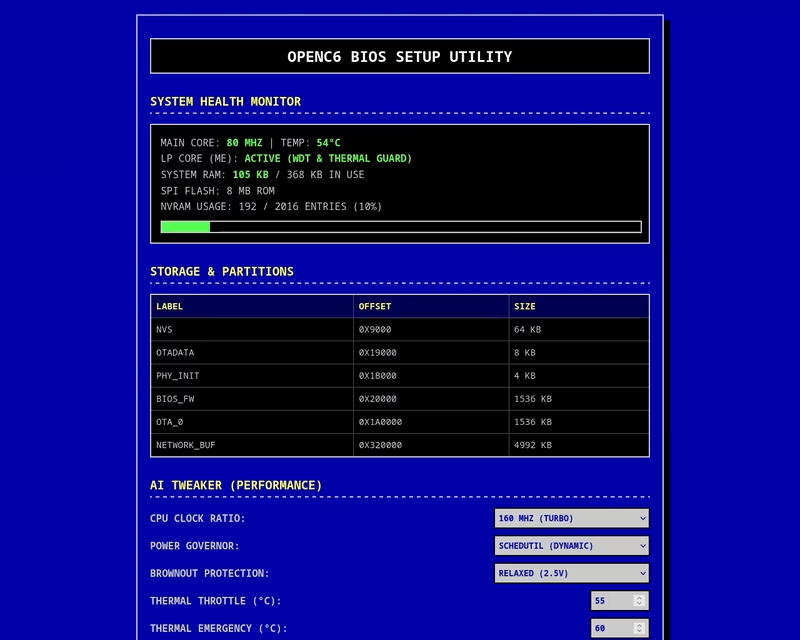
OpenC6 BIOS is an advanced modular firmware platform for the ESP32-C6 RISC-V microcontroller that implements a PC-like architecture by decoupling hardware initialization from application logic. Built on FreeRTOS and the ESP-IDF framework, it provides a standardized System Call Interface (ABI) for executing bare-metal payloads, a management engine running on the LP-Core coprocessor, and support for network-based booting and OTA updates.
Tenstorrent System Firmware
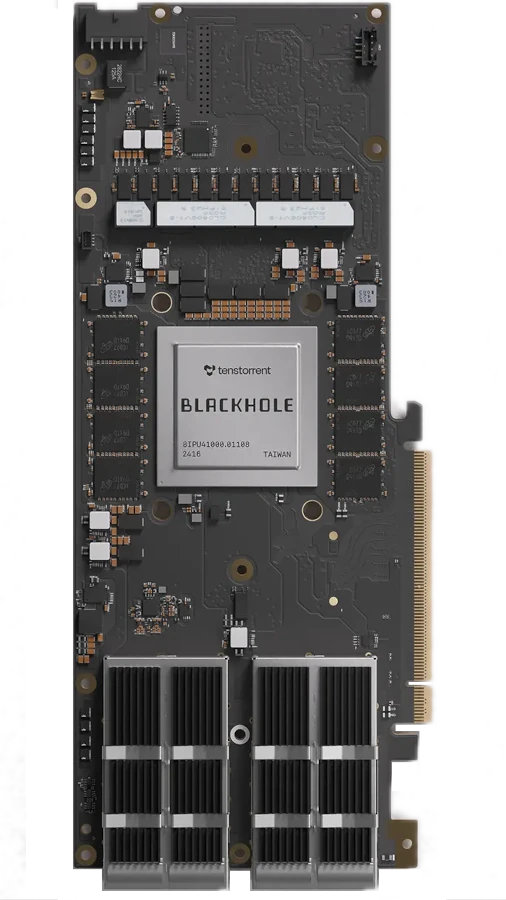
Tenstorrent System Firmware is a Zephyr RTOS-based firmware stack designed for Tenstorrent AI hardware controllers. It manages the System Management Controller (SMC) and Device Management Controller (DMC) for platforms like Blackhole and Grendel, providing custom drivers for AI accelerators and supporting secure updates via MCUboot.