Raccoon Flash Explorer Demo
A high-performance USB flash memory programmer firmware for the STC8H8K64U microcontroller. It implements custom USB drivers and SCSI command parsing to provide a fast alternative to common CH341-based programmers for SPI flash chips up to 512 Mbit.
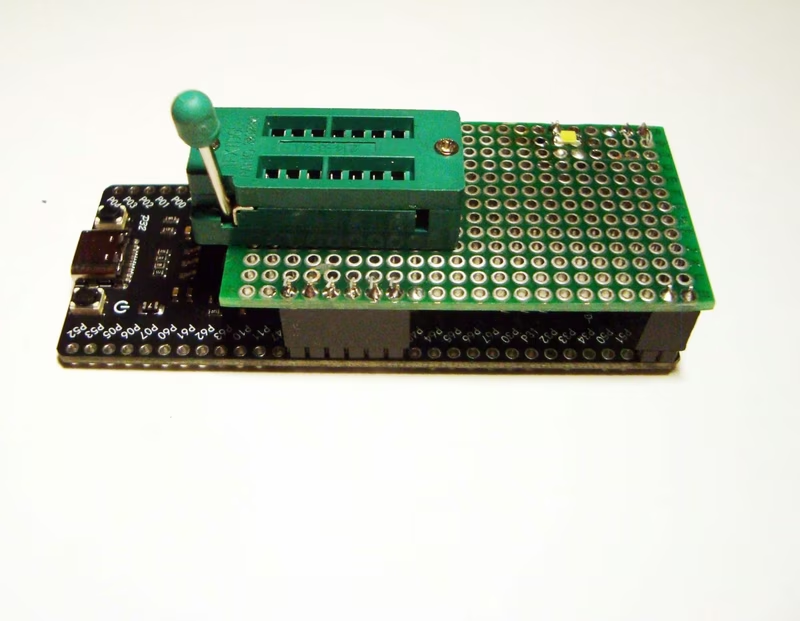
High-Speed Flash Programming for the STC8H8K64U
The Raccoon Flash Explorer (RFE) Demo is a specialized firmware implementation designed to turn the STC8H8K64U microcontroller into a high-speed SPI flash memory programmer. Developed as a simplified version of the full RFE software, this demo serves as both a functional tool and a software development kit (SDK) for users looking to build their own custom memory exploration tools.
One of the standout features of this project is its performance. By optimizing the communication stack, the firmware achieves operating speeds roughly twice as fast as common entry-level programmers like the CH341 or the 2019-style generic flash tools. This makes it an attractive option for developers who need to read or write large flash chips without the bottleneck of slower serial-to-USB bridges.
Hardware and Assembly
The project is built around the STC8H8K64U, a powerful 8051-based microcontroller with native USB support. One of the project’s primary goals is accessibility; the hardware can be assembled using inexpensive, ready-made boards available from global retailers like AliExpress for a few dollars. According to the documentation, a functional programmer can be put together in about 30 minutes, making it an excellent weekend project for electronics enthusiasts.
Technical Implementation
Under the hood, the firmware is based on the Mass Storage Device (MSD) example provided by STC. However, it extends this foundation significantly to facilitate direct interaction with external flash chips. Key technical components include:
- Custom USB Drivers: Implements the necessary USB device logic to interface with modern operating systems.
- SCSI Command Parsing: The firmware handles SCSI commands to manage data transfer, allowing the device to be treated as a storage-like interface.
- FAT File System Structures: It utilizes FAT structures to organize and present data.
- Peripheral Control: The project makes extensive use of low-level hardware abstractions for I2C and SPI to communicate with the target flash chips.
Capabilities and Limitations
The RFE Demo supports flash chips up to 512 Mbit (64 MB). While it is highly performant, it is important to note that this is a “simplified” version intended for educational use. As such, it lacks certain safety and advanced features found in professional tools, such as:
- Overload and reverse polarity protection.
- Automatic 1.8V power supply selection.
- Status register modification.
- Data verification and pin testing.
A Learning-First Approach
The project carries a refreshingly honest disclaimer regarding its code quality. The author notes that the project was a primary vehicle for learning programming from scratch. While some parts of the code may be unpolished, the project functions effectively and serves as a transparent example of how to implement complex USB protocols on an 8-bit architecture. It is designed to be used as-is for standard programming tasks or as a foundation for users to build their own “tricks” and custom firmware extensions.
Related Projects
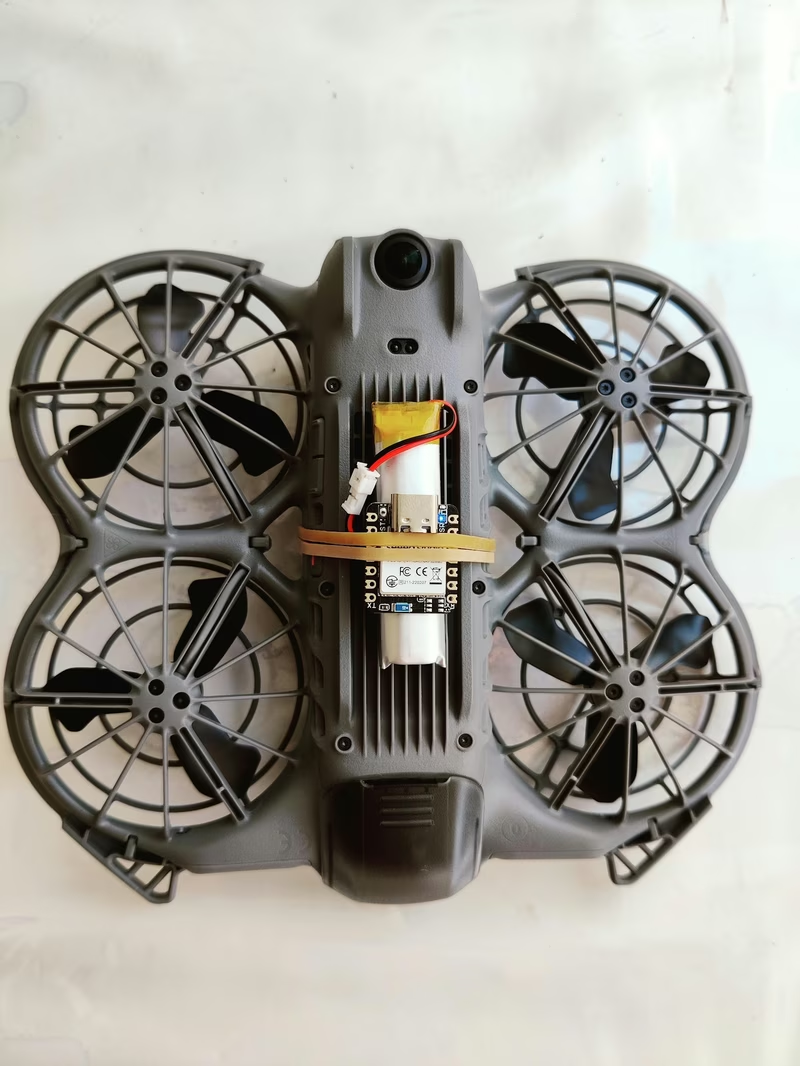
XIAO nRF52 Standalone BLE DFU Updater
A standalone BLE DFU client for Seeed XIAO nRF52840 and RAK4631 that flashes Nordic-format firmware bundles to target nRF52 devices. It features a USB Mass Storage interface for drag-and-drop firmware updates and uses a configuration-based filtering system to identify and update remote hardware in the field.
ESP32 Bus Expander
ESP32 Bus Expander is a companion firmware for the ESP32 Bus Pirate that adds 5 GHz Wi-Fi and 802.15.4 radio support. Running on an ESP32-C5, it acts as a radio coprocessor connected via UART to provide advanced wireless capabilities not available on standard ESP32-S3 boards. The project leverages the Arduino framework and is designed to be easily flashable via a web-based interface.
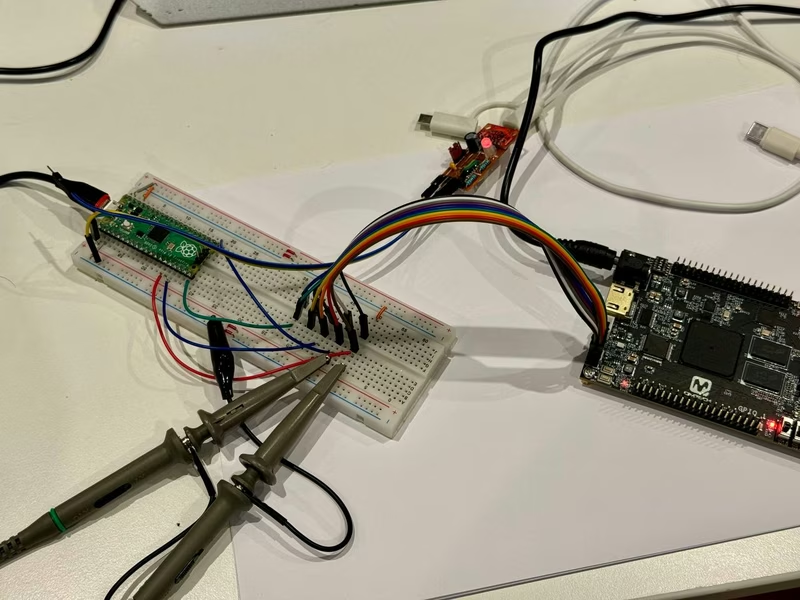
Pico USB Blaster
This firmware transforms Raspberry Pi Pico or other RP2040/RP2350-based boards into an Altera USB-blaster compatible JTAG/AS/PS programmer. It leverages the tinyUSB stack for USB communication, making it compatible with Intel Quartus, OpenOCD, and other standard FPGA programming tools. The project supports various programming modes and includes optional support for level shifters and RGB status LEDs.
FileFerry-Click2Flash
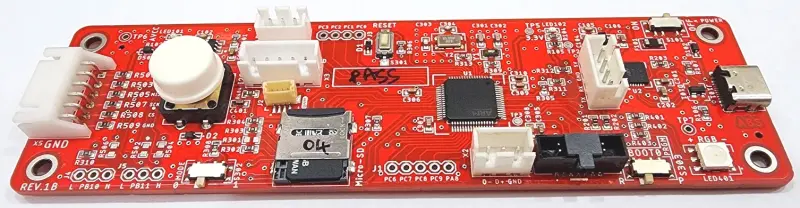
A portable hardware tool designed for factory programming of SPI flash ICs. It supports transferring binary images and security credentials from an onboard SD card or via UART using the X-modem protocol, targeting STM32-based embedded systems.