espradio: TinyGo Wireless Networking for ESP32
A wireless communication package for TinyGo that enables WiFi and TCP/IP functionality on ESP32-C3 and ESP32-S3 microcontrollers. It combines Espressif's low-level binary blobs with a pure-Go networking stack to provide standard Go net/http support on embedded hardware.
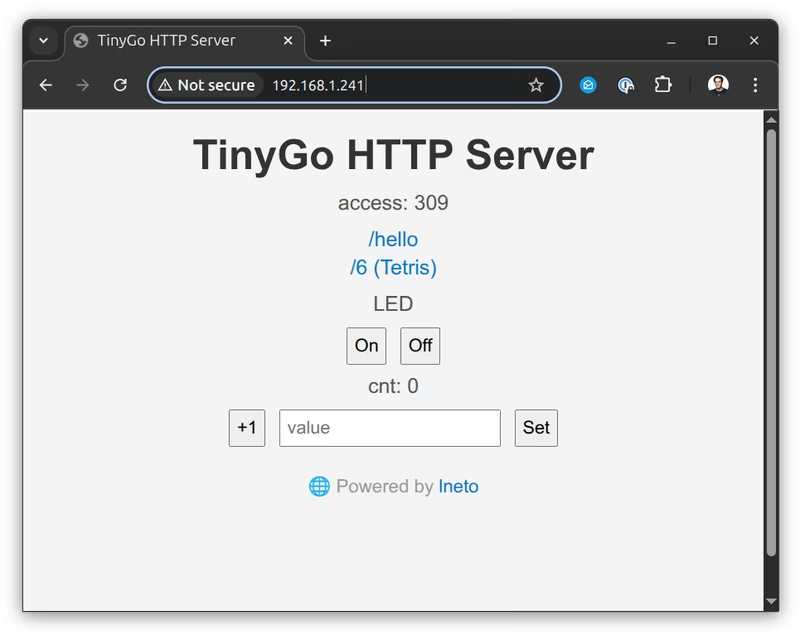
TinyGo has revolutionized how developers build firmware for microcontrollers by bringing the simplicity and safety of Go to embedded systems. However, one of the biggest challenges in the ESP32 ecosystem has been leveraging the chip’s powerful radio peripherals without relying on the massive ESP-IDF C framework. The espradio project bridges this gap, providing a high-performance wireless communication package specifically for TinyGo.
How it Works
At its core, espradio takes a hybrid approach to networking. Instead of wrapping the entire ESP-IDF stack, it uses Espressif’s low-level binary blobs for the physical (PHY) and MAC layers via TinyGo’s built-in CGo support. This allows the package to remain fast and utilize well-tested binaries for low-level radio communication while keeping the rest of the stack in Go.
On top of these raw frames, espradio implements a pure-Go networking layer using the lneto stack. This design allows developers to use standard Go patterns, such as the net/http package, directly on hardware like the ESP32-C3 and ESP32-S3.
Architecture and Features
The architecture is designed for flexibility, implementing the TinyGo netdev and netlink interfaces. This means that existing Go code relying on the standard library’s networking primitives can often be ported to these microcontrollers with minimal changes.
Key features include:
- WiFi Modes: Support for both Station (STA) and Soft-AP modes.
- Standard Library Support: Full Go
netpackage compatibility via the TinyGonetdevinterface. - Pure-Go Stack: Integrated DHCP, DNS, and NTP support through the
lnetopackage. - MQTT: Support for machine-to-machine communication using the
natiu-mqttpackage. - Simulation: A QEMU simulation target for the ESP32-C3, enabling testing without physical hardware.
Hardware Support
Currently, espradio supports the most popular modern Espressif chips:
- ESP32-C3: A single-core 32-bit RISC-V MCU.
- ESP32-S3: A dual-core XTensa LX7 MCU.
Support for Bluetooth and additional processors is currently in progress, expanding the potential for Go-based wireless applications.
Getting Started
Setting up a web server on an ESP32 using espradio is remarkably similar to writing a standard Go web application. By initializing the Esplink interface and passing it to the netdev driver, you can use the standard http package to handle requests.
func main() {
	// Initialize ESP32 radio
	link := link.Esplink{}
	netdev.UseNetdev(&link)

	// Connect to WiFi
	link.NetConnect(&nl.ConnectParams{
		Ssid:       "yourssid",
		Passphrase: "yourpassword",
	})

	// Setup standard Go http server
	http.HandleFunc("/", func(w http.ResponseWriter, r *http.Request) {
		io.WriteString(w, "hello from TinyGo!")
	})

	h, _ := link.Addr()
	http.ListenAndServe(h.String()+":80", nil)
}
Flashing the device is handled through the TinyGo CLI, where you can inject WiFi credentials at build time using linker flags, making it easy to deploy firmware across different environments.
Debugging and Development
For developers needing to troubleshoot network issues, espradio provides specialized build tags. The netlinkdebug tag enables printing of netlink actions, while pcapdebug allows for logging of every packet sent and received, providing a level of visibility usually reserved for desktop network analysis tools.
Related Projects
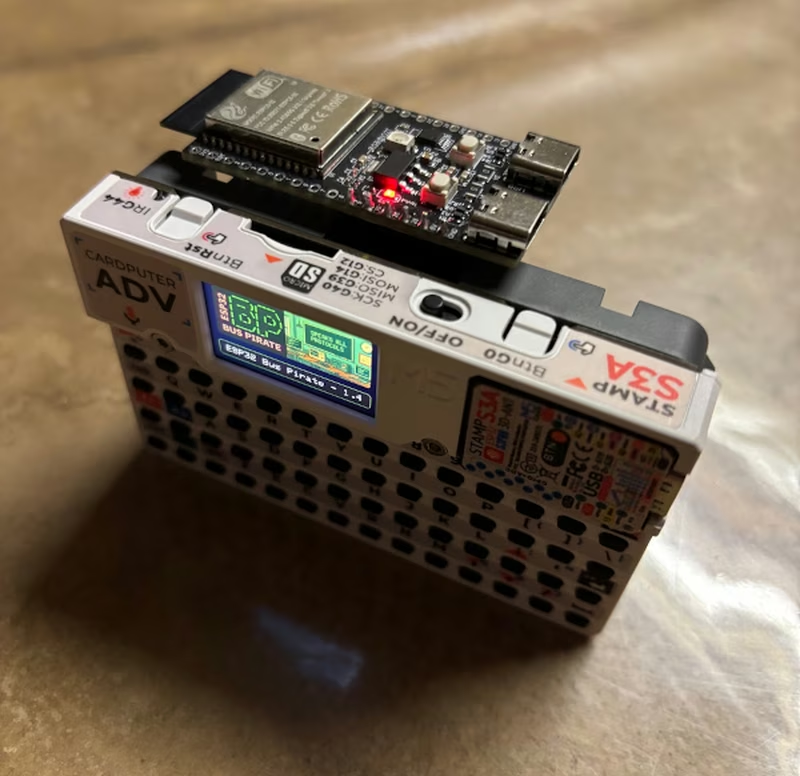
ESP32 Bit Pirate
ESP32 Bit Pirate is an open-source firmware that transforms ESP32-S3 development boards into multi-protocol hardware hacking tools. It provides extensive support for digital protocols like I2C, SPI, and UART, as well as radio communications including Wi-Fi, Bluetooth, and Sub-GHz, utilizing FreeRTOS and LittleFS for robust device interaction.
ESP32 Bus Expander
ESP32 Bus Expander is a companion firmware for the ESP32 Bus Pirate that adds 5 GHz Wi-Fi and 802.15.4 radio support. Running on an ESP32-C5, it acts as a radio coprocessor connected via UART to provide advanced wireless capabilities not available on standard ESP32-S3 boards. The project leverages the Arduino framework and is designed to be easily flashable via a web-based interface.
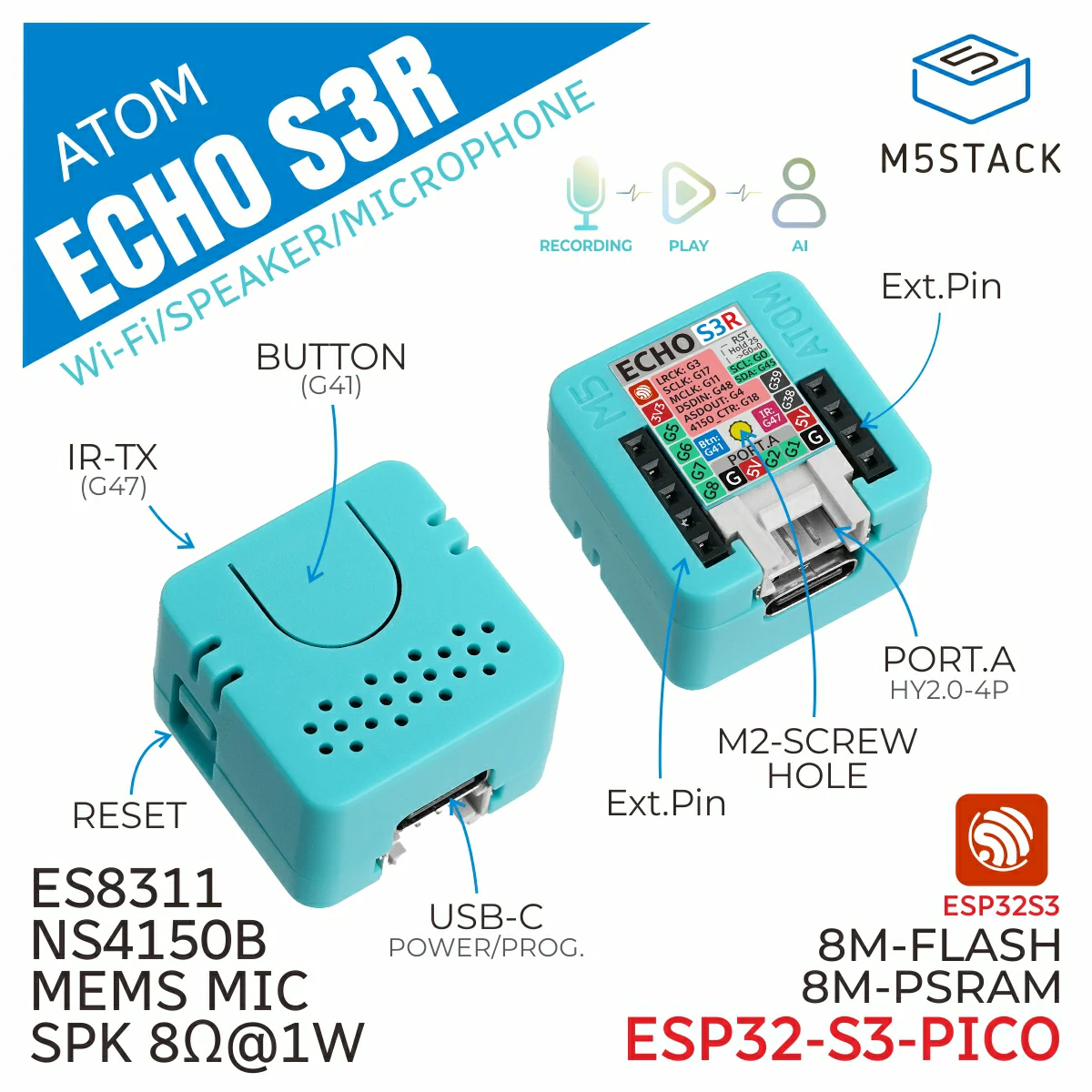
MicroLink: Tailscale VPN for ESP32
A production-ready Tailscale protocol implementation for ESP32 microcontrollers using the ESP-IDF framework. It enables secure VPN connectivity via WireGuard encryption, supporting NAT traversal through DERP and STUN.
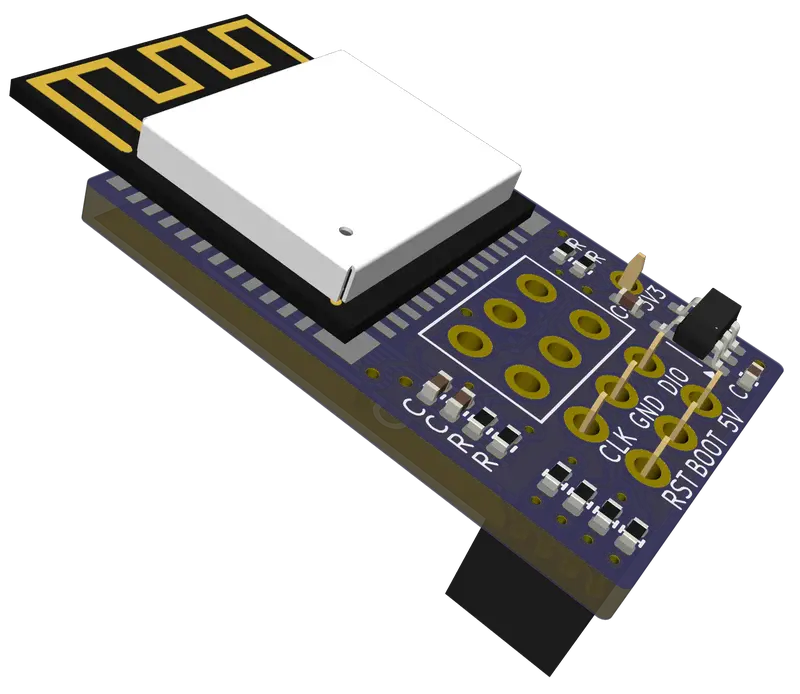
Airfrog
A tiny, wireless co-processor and debugger for ARM microcontrollers based on the ESP32-C3. It enables remote telemetry, live re-programming, and wireless debugging via SWD using the Rust Embassy framework.