nanopb
nanopb-0.4.9.1Features
-
Small code footprint (5–20 kB) and low RAM usage (typically ~1 kB stack).
-
Pure ANSI C runtime for maximum portability across different compilers and platforms.
-
Support for static allocation of strings and arrays via maximum size specifications.
-
No mandatory dependency on malloc, though optional support is available.
-
Compatible with standard Protocol Buffers .proto file format and version 3 syntax.
-
Python-based generator for creating .pb.c and .pb.h files from protocol definitions.
-
Lightweight stream-based abstraction for reading and writing encoded data.
-
Callback mechanism for handling messages or fields larger than available RAM.
-
Support for most protobuf features including nested submessages, oneofs, and extensions.
-
Native integration with Zephyr RTOS and Arduino platforms.
-
Customizable header generation using .options files for field-level configuration.
-
Support for gRPC through generated service descriptors.
-
Extensive test suite with support for hardware-in-the-loop testing on STM32 and AVR.
-
Multiple build system support including CMake, Bazel, Meson, SCons, and Make.
-
Ability to use encoder or decoder independently to reduce binary size.
-
Static assertions at compile time to verify structure sizes and configuration.
Architecture
Nanopb follows a dual-component architecture consisting of a compile-time code generator and a lightweight C runtime library. The generator, written in Python, leverages the standard Google protoc compiler to parse .proto files and produces C source (.pb.c) and header (.pb.h) files. These generated files contain message structures and field descriptors (pb_msgdesc_t) that define the layout and types of the data. The runtime library is designed for portability and minimal resource usage, providing the core logic for encoding and decoding through a stream-based abstraction.
The system is built around the concept of static memory management. By using .options files, developers can specify maximum sizes for variable-length fields, allowing the generator to produce C structures that can be allocated on the stack or in static memory. The runtime interacts with data through pb_ostream_t and pb_istream_t structures, which use callback functions to handle data I/O, enabling the processing of messages that are larger than the available RAM.
Core Components
- pb_common.c/h: Contains shared functions and types used by both the encoder and decoder.
- pb_encode.c/h: Implements the serialization logic for converting C structures into Protocol Buffers format.
- pb_decode.c/h: Implements the deserialization logic for parsing Protocol Buffers data into C structures.
- nanopb_generator.py: The Python script that transforms
.protodefinitions into C code.
Use Cases
This library is ideal for:
- IoT Sensor Data: Efficiently serializing sensor readings for transmission over low-bandwidth networks like LoRaWAN or NB-IoT.
- Configuration Management: Storing and retrieving device settings in non-volatile storage using a structured and version-compatible format.
- Inter-processor Communication: Exchanging structured data between a main application processor and a low-power co-processor or peripheral.
- Bootloaders and Firmware Updates: Implementing robust update protocols where code space is extremely limited and reliability is critical.
- gRPC for Embedded: Providing lightweight gRPC service implementations on resource-constrained microcontrollers.
- Telemetry Systems: Streaming real-time diagnostic data from embedded systems to remote monitoring platforms.
Getting Started
To begin using Nanopb, first ensure you have the necessary dependencies by running pip install protobuf grpcio-tools. Define your data structures in a .proto file, then use the nanopb_generator.py script to generate the C source and header files for your project. Integrate the core library files—pb_encode.c, pb_decode.c, and pb_common.c—into your build system (e.g., CMake, Make, or Zephyr).
Detailed documentation, including API references and advanced configuration options, is available at the official Nanopb documentation site: https://jpa.kapsi.fi/nanopb/docs/. For practical examples, the examples/simple directory in the repository provides a complete working demonstration of the encoding and decoding process.
Related Projects (9)
View All 9 Projects →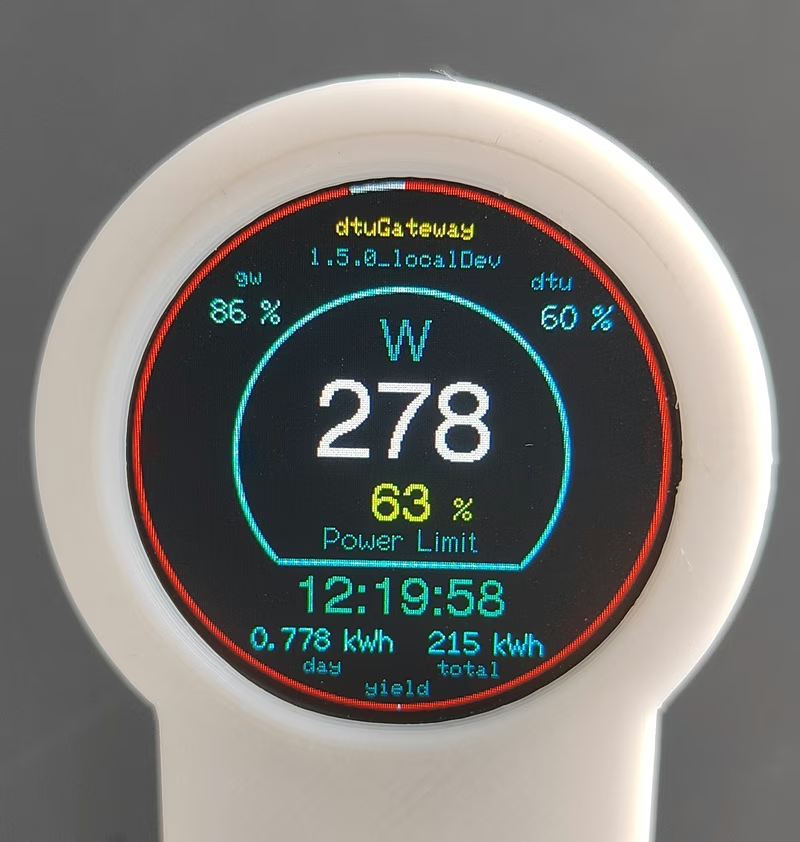
dtuGateway for Hoymiles HMS Inverters
dtuGateway is an ESP32-based firmware that bridges Hoymiles HMS-series solar inverters with integrated Wi-Fi to smart home ecosystems. It provides reliable data monitoring and remote control via MQTT, REST API, and openHAB, bypassing the limitations of the official cloud interface. The project supports various local displays and features a captive portal for easy configuration.
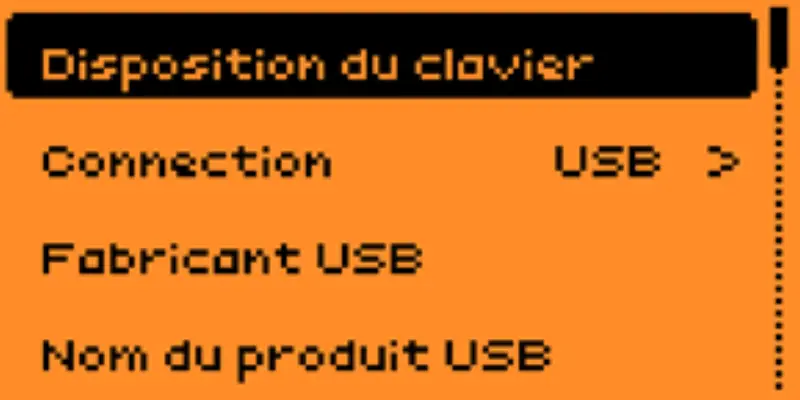
Kali Zero Firmware (KZFW)
A French-localized firmware for the Flipper Zero based on Xtreme Firmware. It features an enhanced asset management system, a 30-level progression system, and advanced Bluetooth spoofing capabilities for Bad Keyboard attacks.
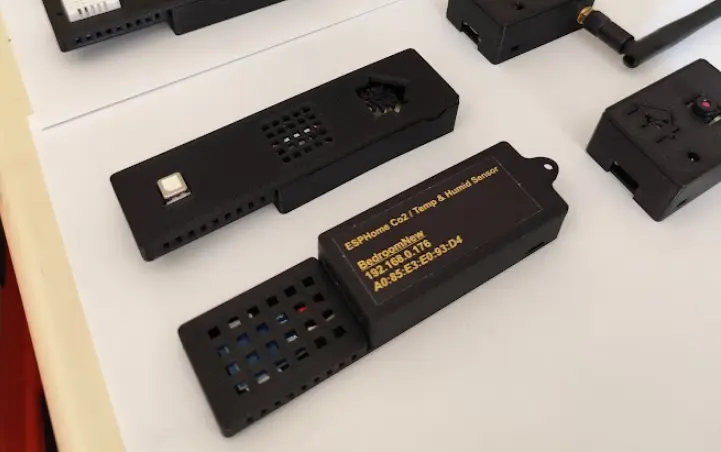
Engineering DIY ESP32 Sensors & Cameras for Home Assistant
A comprehensive DIY project for building ESP32-based environmental sensors and cameras integrated with Home Assistant via the ESPHome framework. It covers hardware selection, 3D casing design, wiring, and non-linear calibration to ensure accurate readings despite internal heat generation.
Tenstorrent Zephyr Platforms
The official Zephyr RTOS firmware repository for Tenstorrent AI hardware. It provides comprehensive platform support, custom drivers, and application frameworks for Tenstorrent's AI ULC products, leveraging a specialized Zephyr fork.
nRF Connect SDK Build Docker Environment
A pre-configured Docker build environment for Nordic Semiconductor's nRF Connect SDK (NCS) v2.9.0. It includes the Zephyr SDK, nRF Command Line Tools, and the West toolchain, designed for consistent CI/CD pipelines and simplified local firmware development.

Trezor Firmware
The official firmware for Trezor hardware wallets, supporting both the Trezor Model T and Trezor One. It features a modular architecture including a MicroPython-based core for modern devices and a legacy C implementation, backed by custom cryptographic and storage libraries.
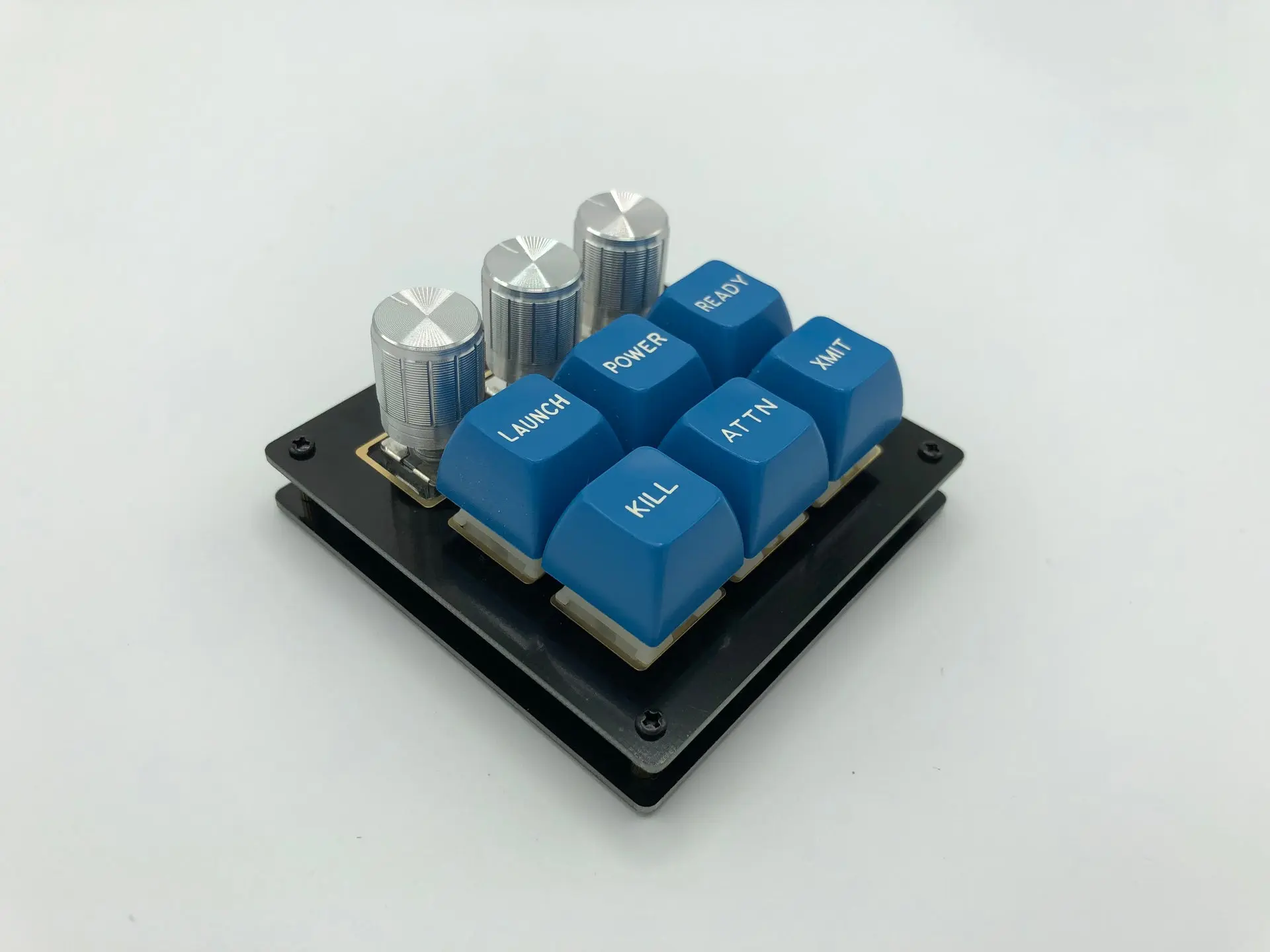
ZMK Firmware
An open-source keyboard firmware built on the Zephyr Real Time Operating System. It provides a modern, wireless-first platform for mechanical keyboards, supporting Bluetooth Low Energy, split configurations, and extensive customization through a modular system of shields and behaviors.
IoTJS-Plus-TizenRT
A lightweight RTOS-based platform designed for low-end IoT devices, featuring a Docker-based build environment and support for multiple architectures including ESP32, STM32, and ARTIK. It integrates IoT.js to enable JavaScript-based application development on embedded hardware.